
Cannabis Fungal Diseases & Mold — How to Identify and Treat Them
Bud rot, powdery mildew, downy mildew, fusarium: how to reliably identify the most common fungal diseases — with symptoms, immediate steps and prevention.
What do you see on your plant?
Cannabis fungal diseases: early detection is everything
Cannabis fungal diseases and mold are among the most dangerous threats to your plant. Bud rot (gray mold, Botrytis cinerea) can destroy a bud in 48 hours. Pythium wipes out roots before you even see it. Downy mildew spreads exponentially in damp conditions. The difference between a lost harvest and a saved plant comes down to how fast you diagnose the problem — and to using the right treatment.
The most common cannabis fungal diseases fall into three groups: bud and leaf fungi such as bud rot (botrytis), powdery mildew and downy mildew, which cause visible coatings or rotting bud areas; root fungi such as pythium and fusarium, which start underground and only show up as wilting, weak plants; and leaf spot diseases such as septoria, cercospora and alternaria, which leave characteristic spots or ring patterns on the leaves.
Almost all cannabis fungal diseases share the same risk factors: high humidity, poor air circulation, overly dense foliage and standing moisture on leaves or buds. If you consistently control these four factors — regular defoliation, active ventilation, humidity below 55% during flowering — you drastically lower the risk of infection, often before any treatment is even needed.
If your plant is already showing the first signs, every hour counts: remove and dispose of affected areas right away (never compost them) and fix the cause — usually moisture — immediately so the fungus can’t spread any further. Not sure which fungal disease you’re dealing with? Our Plant Diagnosis Tool helps you narrow it down.

“Cannabis fungal diseases aren’t bad luck — they’re almost always the result of humidity that’s too high, poor air circulation or foliage that’s too dense. Prevent them, and you won’t have to fight them.”
Fungal diseases & mold in detail
 Common
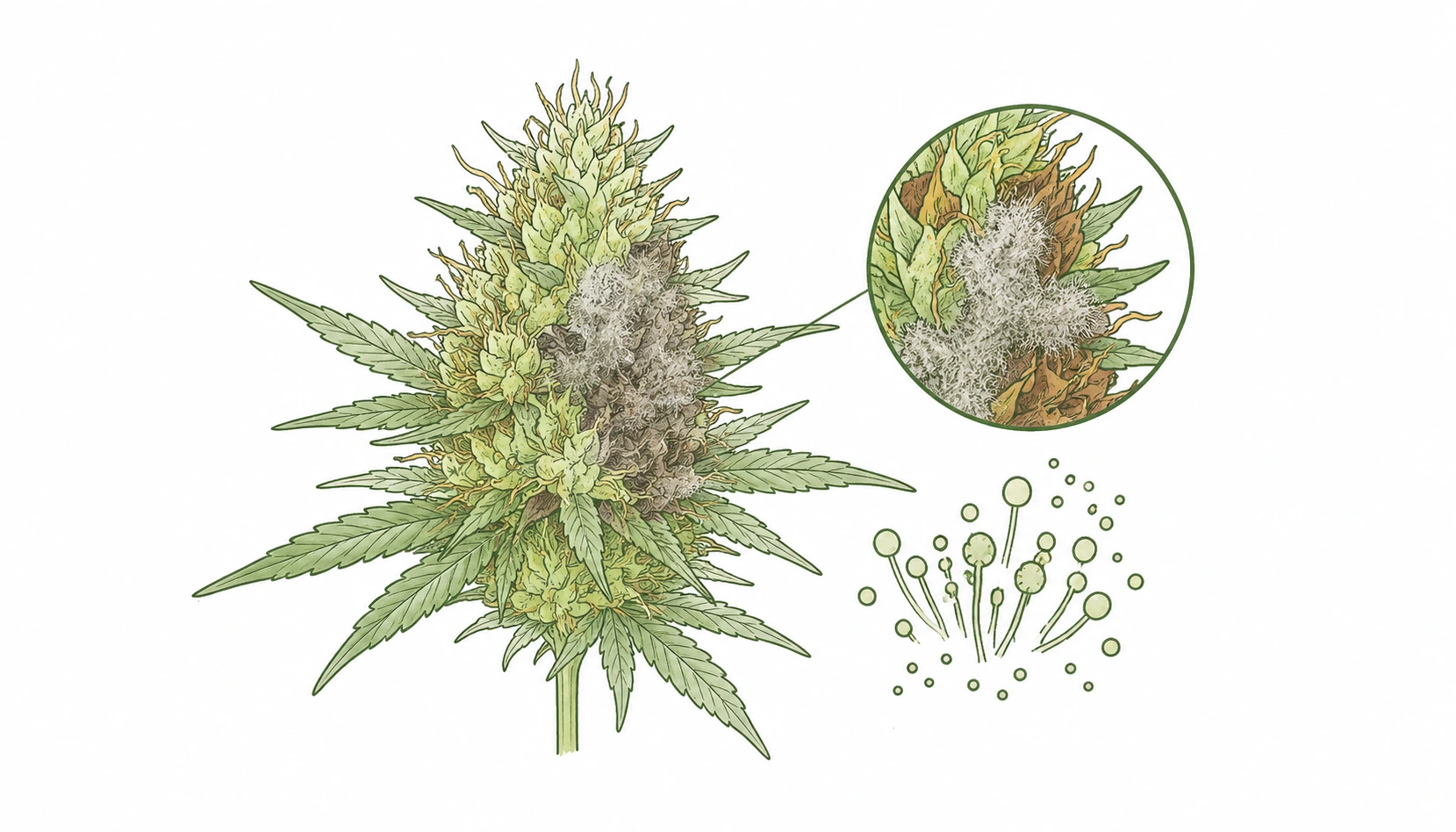
How to Identify and Treat Bud Rot (Botrytis)
The most dangerous fungus in the flowering stage — spreads within 48 hours. Symptoms, immediate steps and prevention for indoor & outdoor grows.
Read article →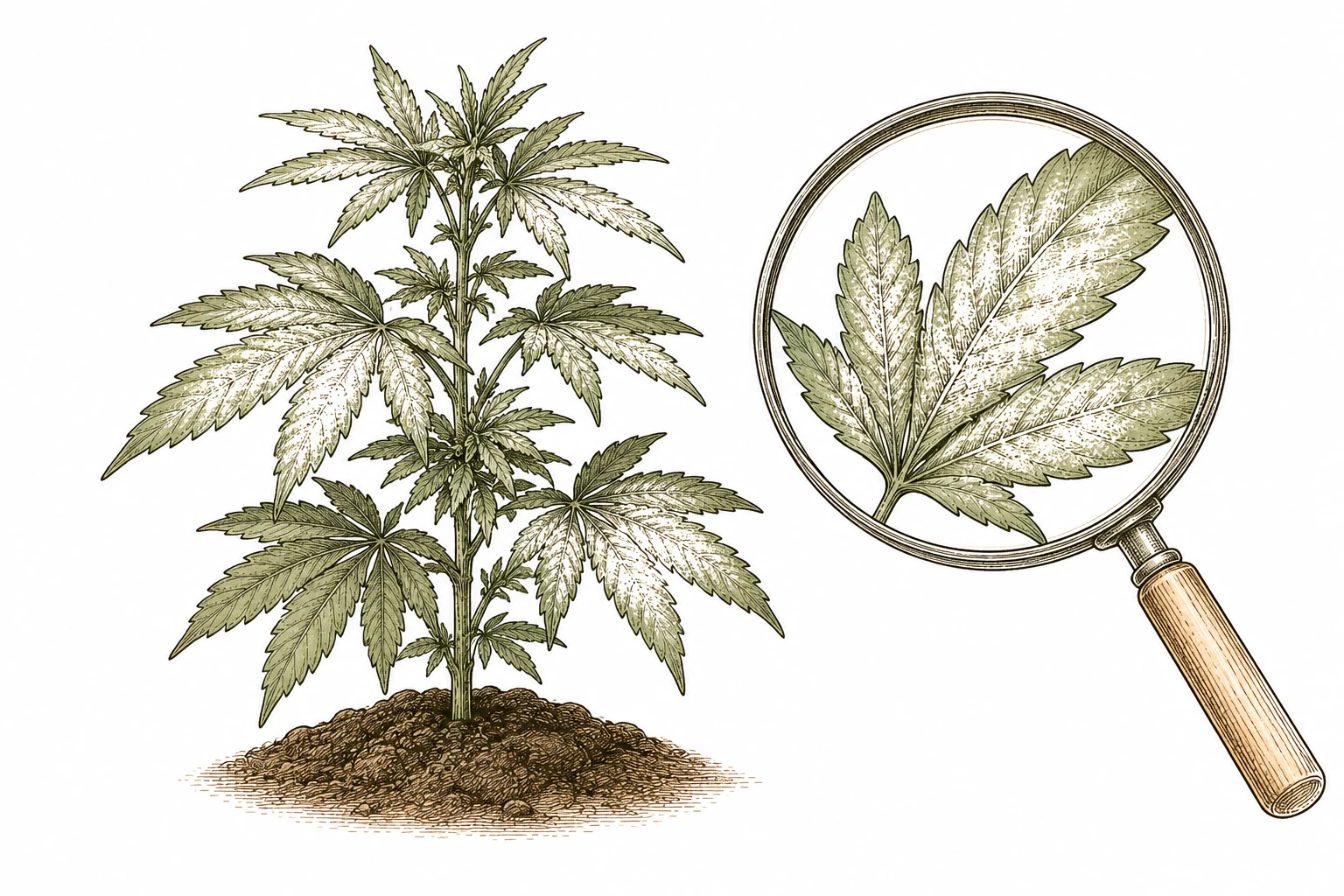
How to Identify and Treat Powdery Mildew
White, powdery coating on leaves — how to reliably tell powdery mildew from downy mildew and treat it effectively.
Read article →
How to Spot Bud Rot and Save Your Harvest
When botrytis attacks buds from the inside — the same fungus as gray mold, just under a different name.
Read article →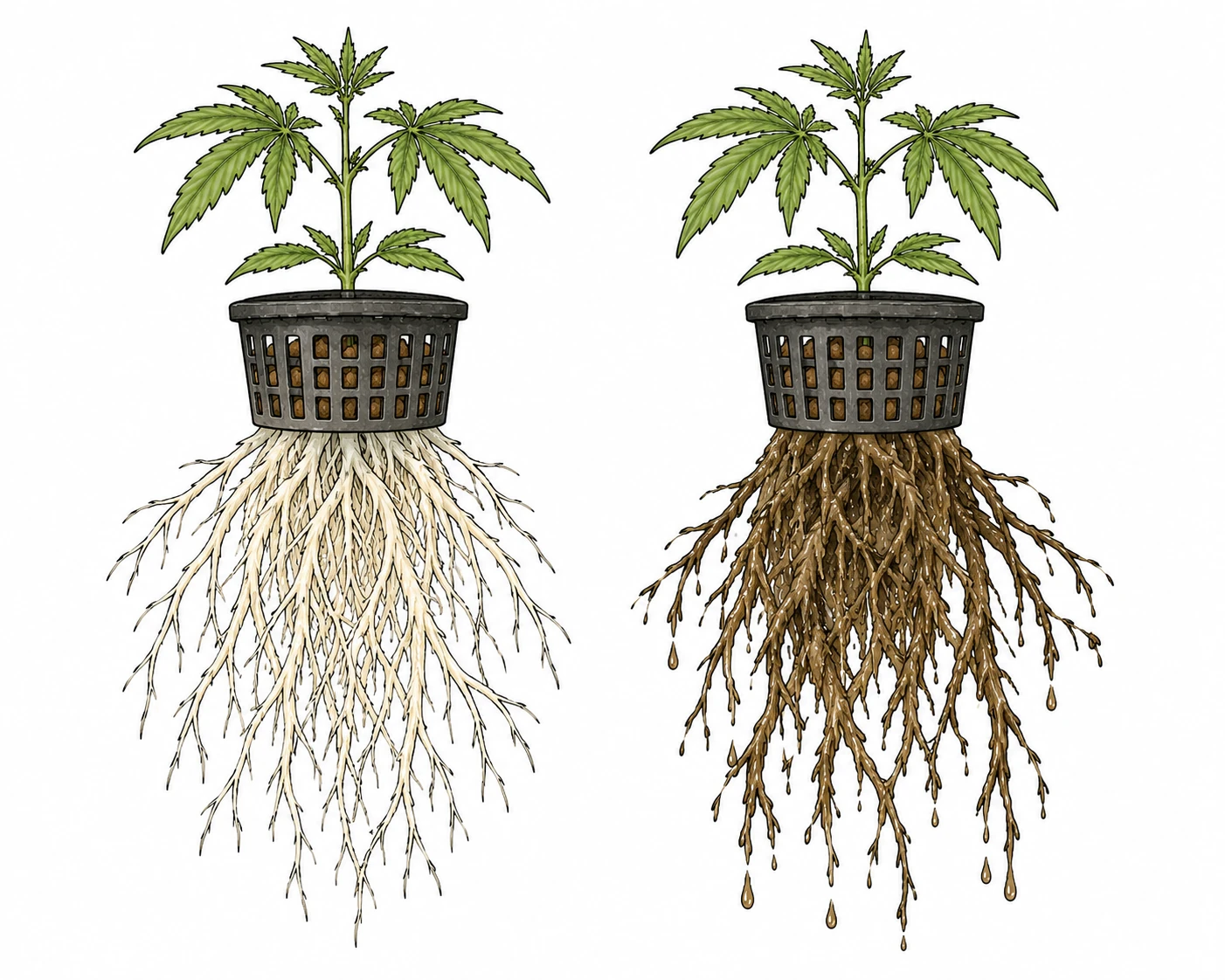 Dangerous
How to Identify and Treat Pythium
Damping-off in seedlings, brown roots in hydro — how to identify pythium and treat it effectively.
Read article →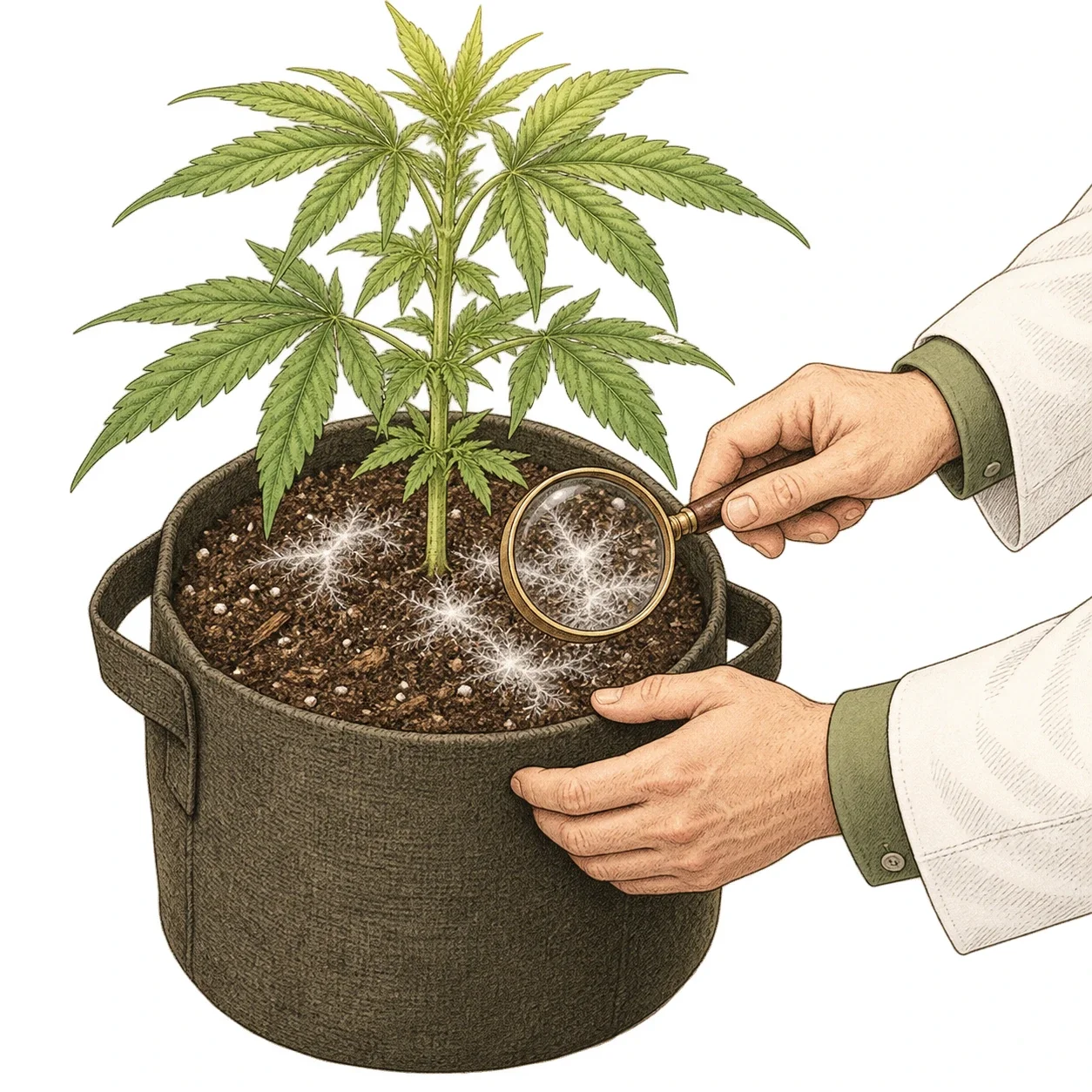
How to Identify and Treat White Mold on Soil
Fluffy white coating on the soil surface: learn whether it’s harmless lime deposits or real mold, and how to remove it and keep it from coming back.
Read article →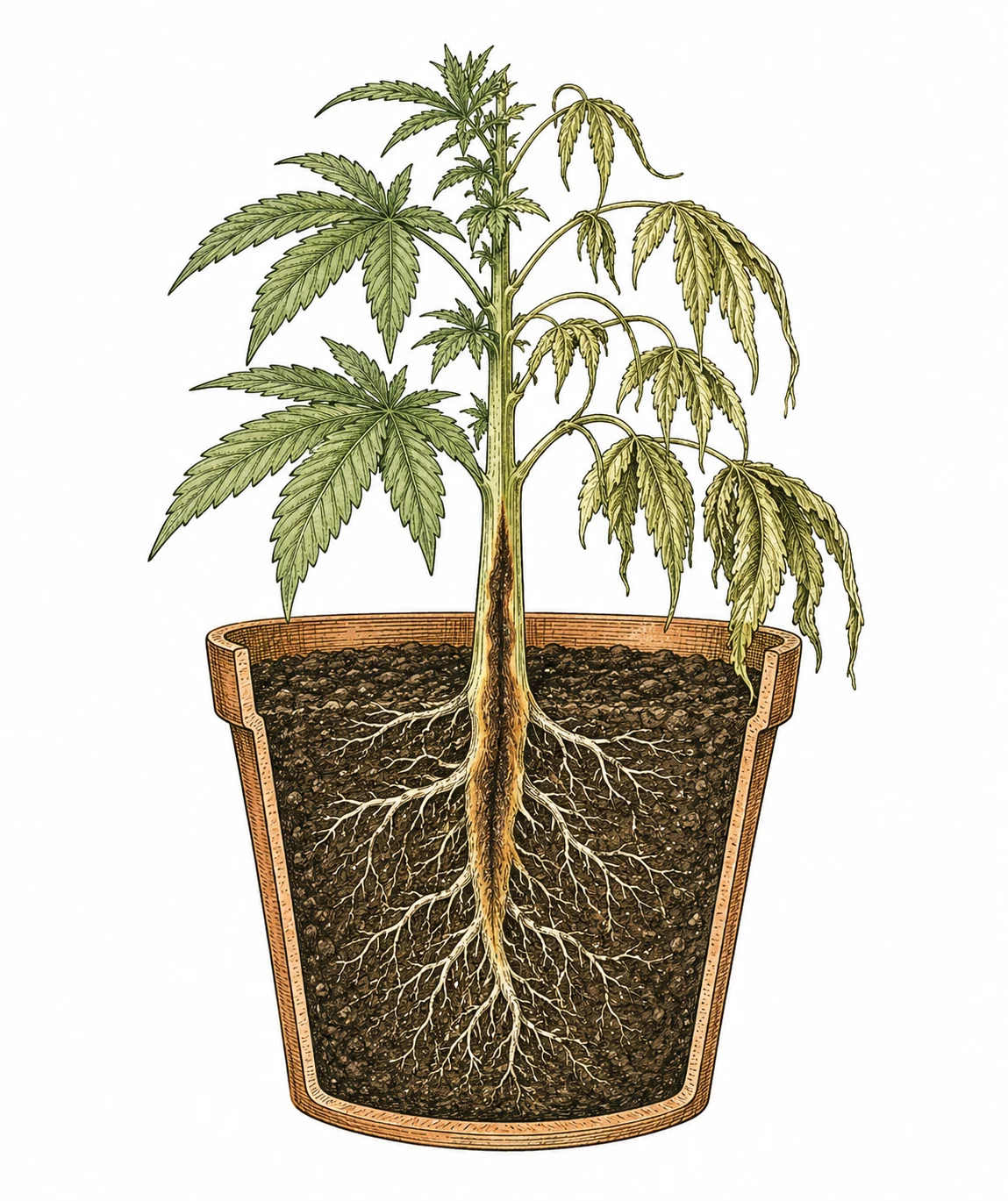
How to Identify and Treat Fusarium
Stem rot and wilting caused by fusarium — how to identify the fungus and stop it from spreading.
Read article →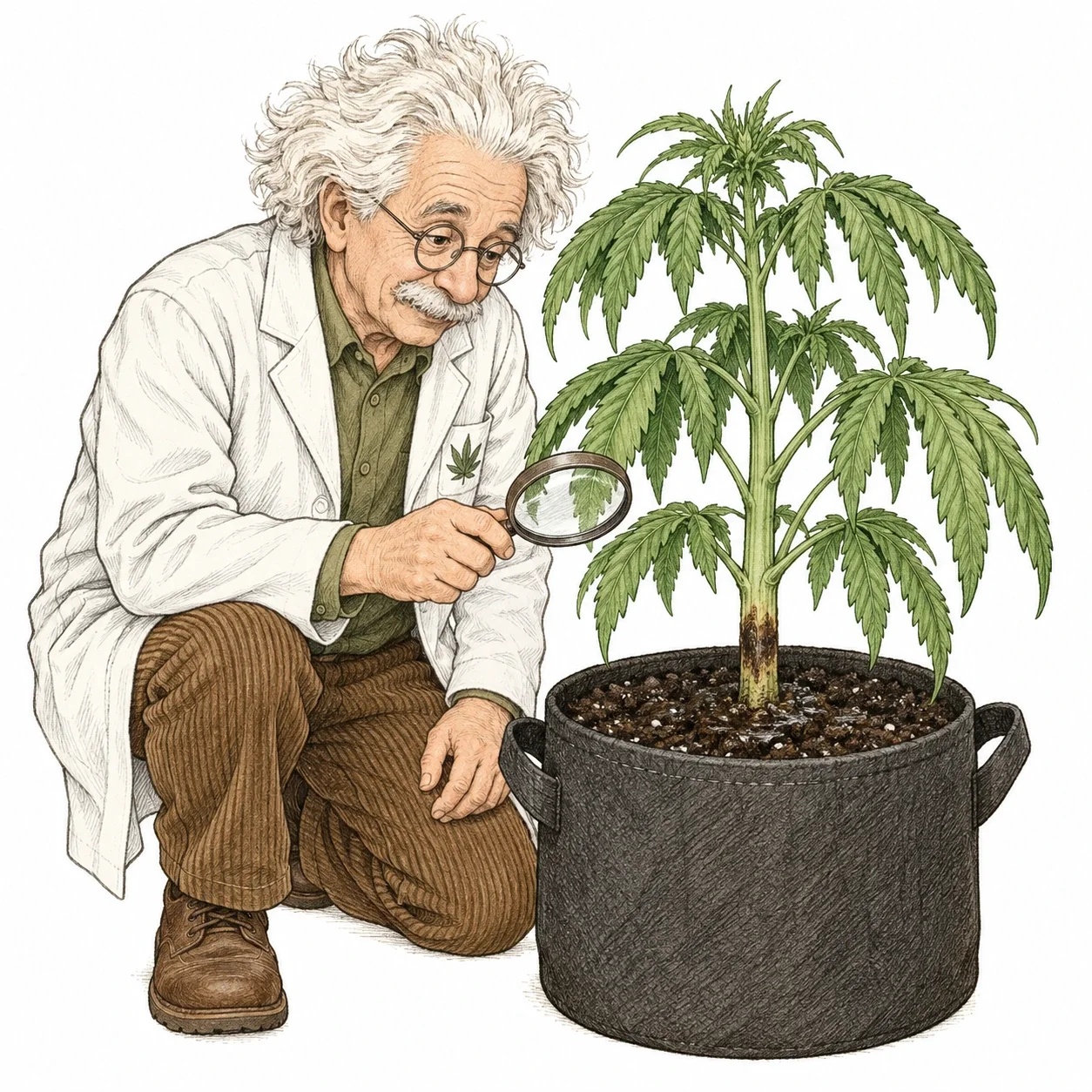
How to Identify and Treat Stem Rot
Is your plant wilting even though the soil is moist? How to spot stem rot in time and save your harvest.
Read article →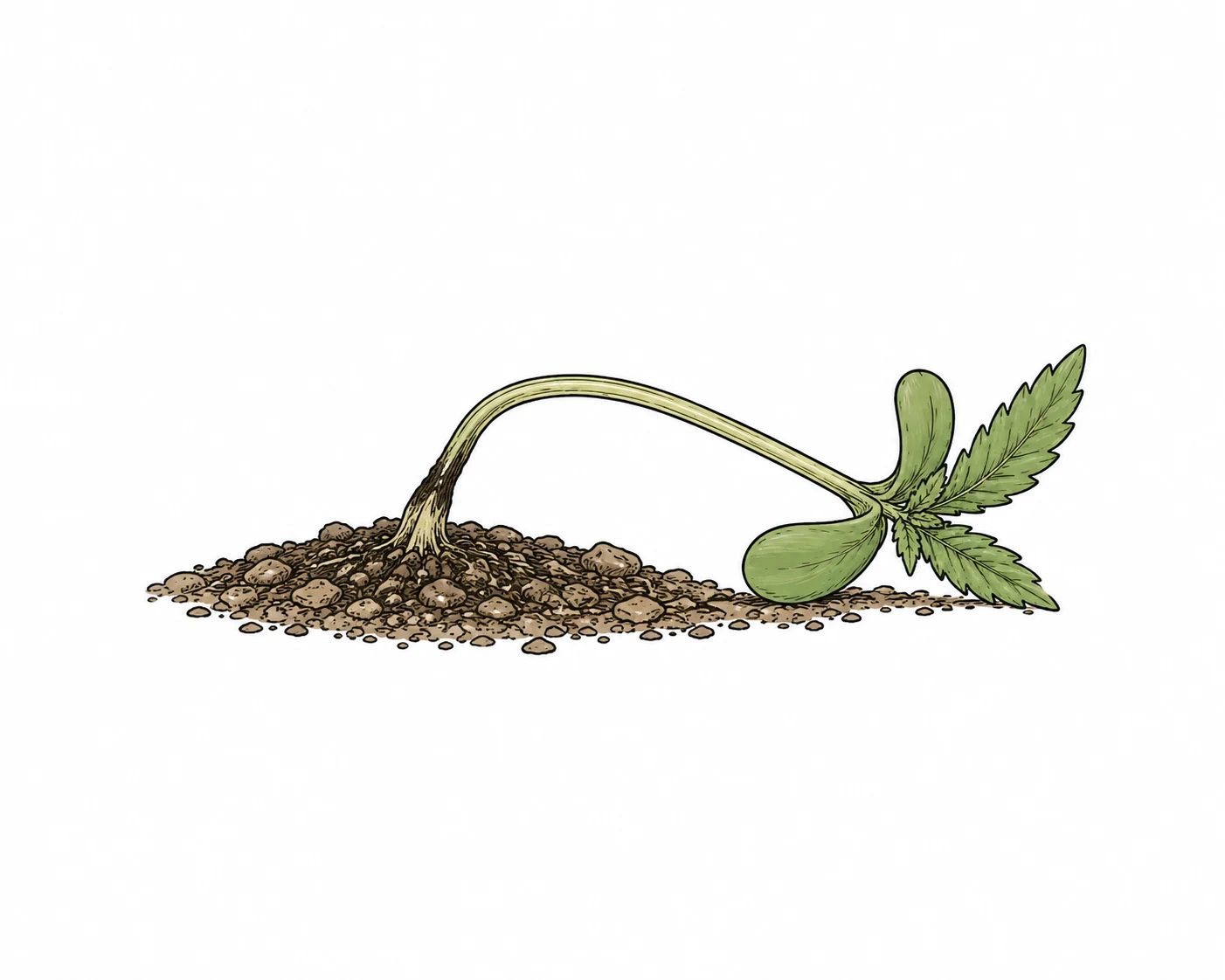
How to Identify and Treat Damping-Off
Seedling suddenly falling over — how to reliably tell damping-off apart from watering mistakes and too little light, and save the plant.
Read article →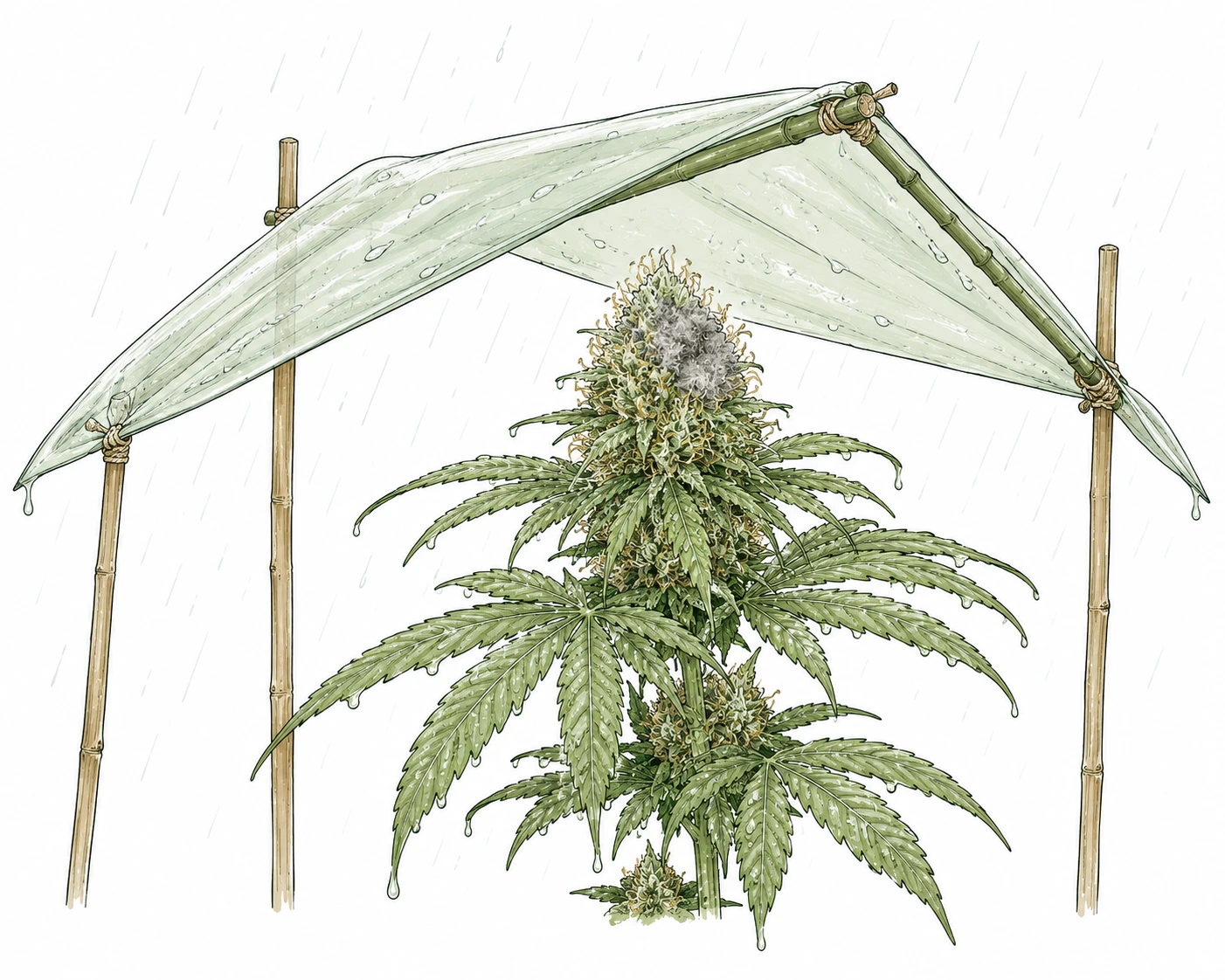
How to Identify and Treat Mold After Rain (Outdoors)
Long rainy spells bring the risk of mold — how to protect your outdoor plants during the critical ripening phase.
Read article →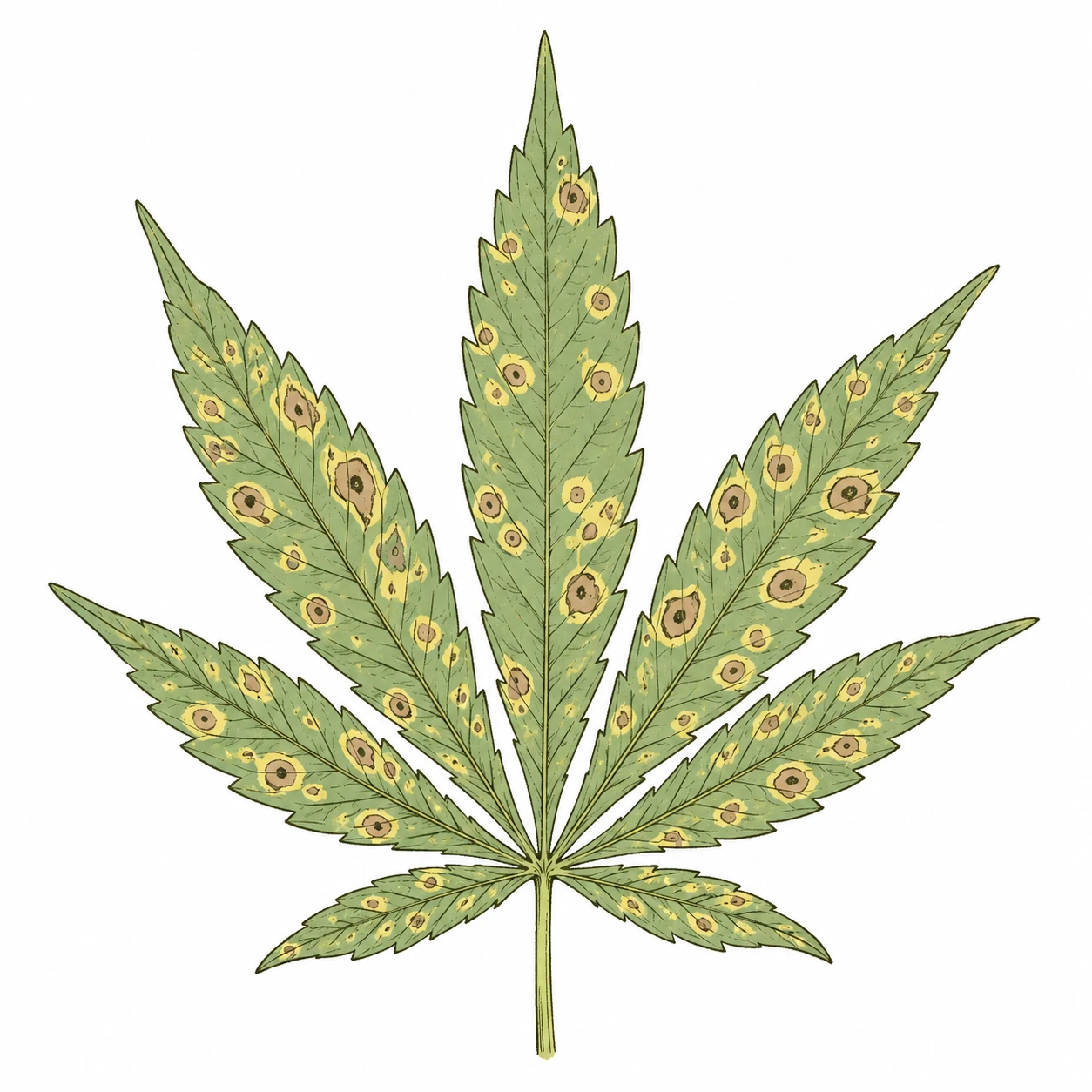
How to Identify and Treat Septoria
Brownish-yellow leaf spots with a pale center — how to tell septoria apart from nutrient deficiencies and treat it.
Read article →
How to Identify and Treat Downy Mildew
Yellowish spots on top, gray-purple spore growth underneath — how to reliably identify downy mildew and tell it apart from powdery mildew.
Read article →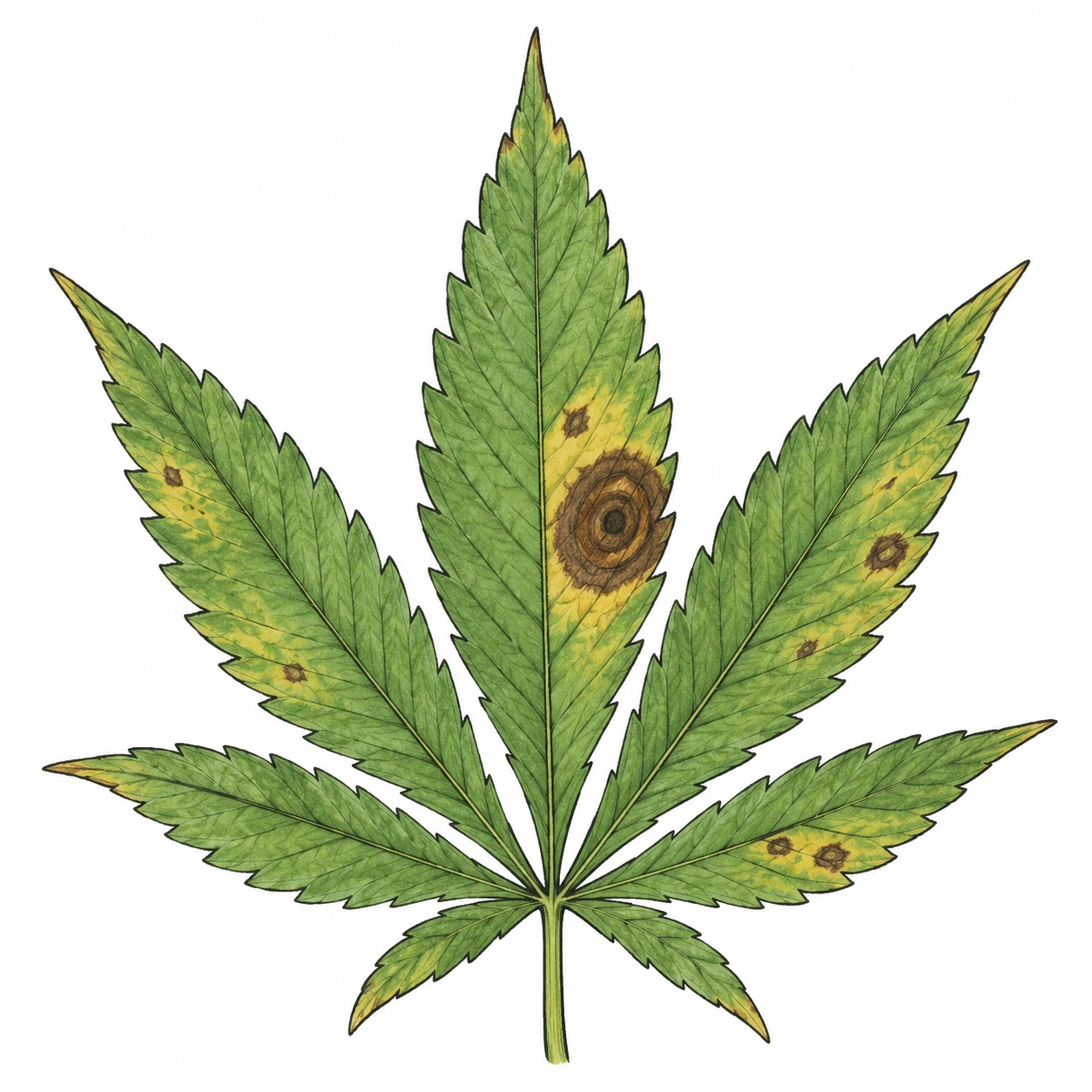
How to Identify and Treat Alternaria
Dark brown to black leaf spots with concentric rings — how to identify alternaria and tell it apart from septoria or nutrient deficiencies.
Read article →
Cercospora Gray Leaf Spot
Almost impossible to tell apart from septoria — the distinguishing features and why the same treatment works.
Read article →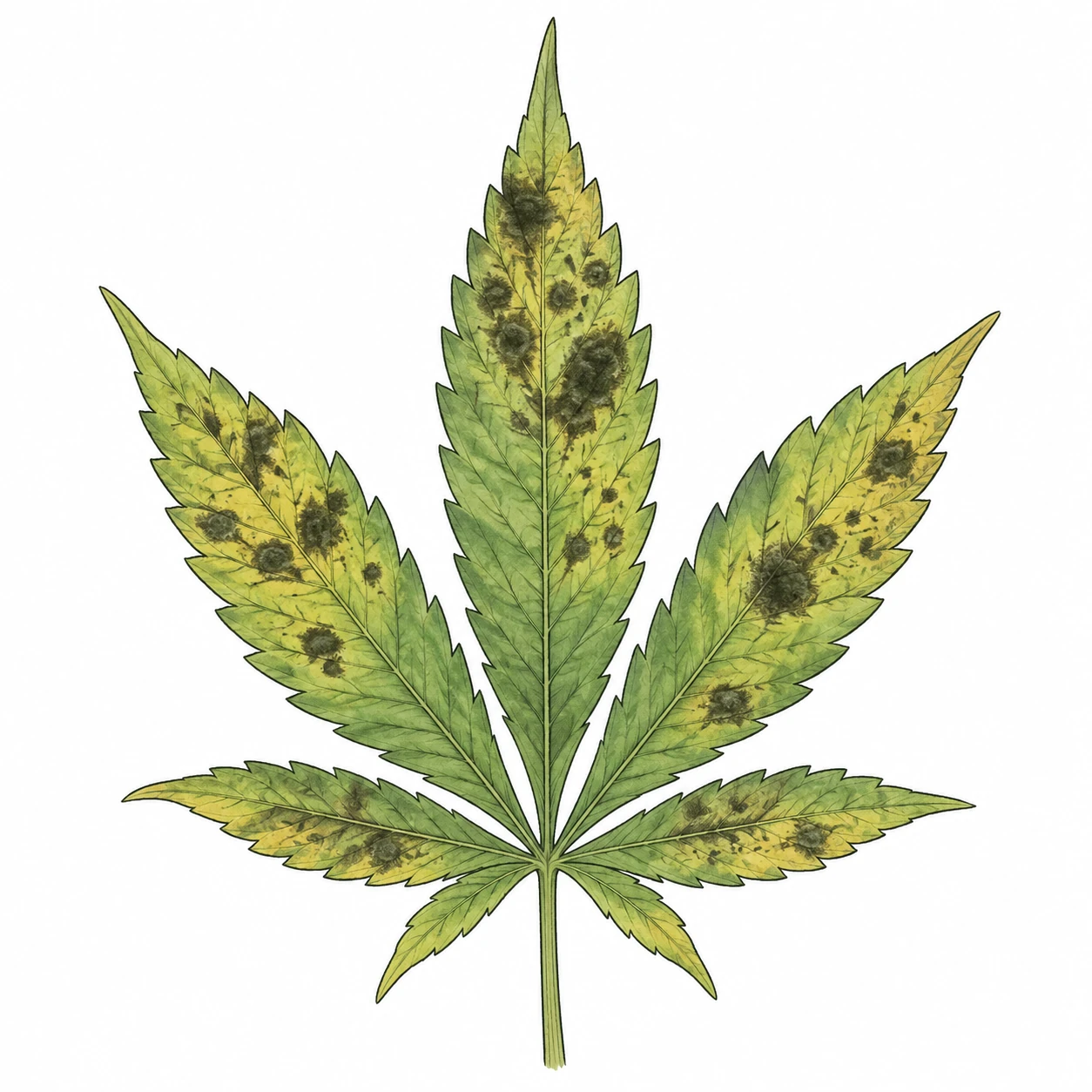
How to Identify and Treat Cladosporium
Black to olive-green mold spots on leaves and stems — how to identify cladosporium and counter it when humidity is high.
Read article →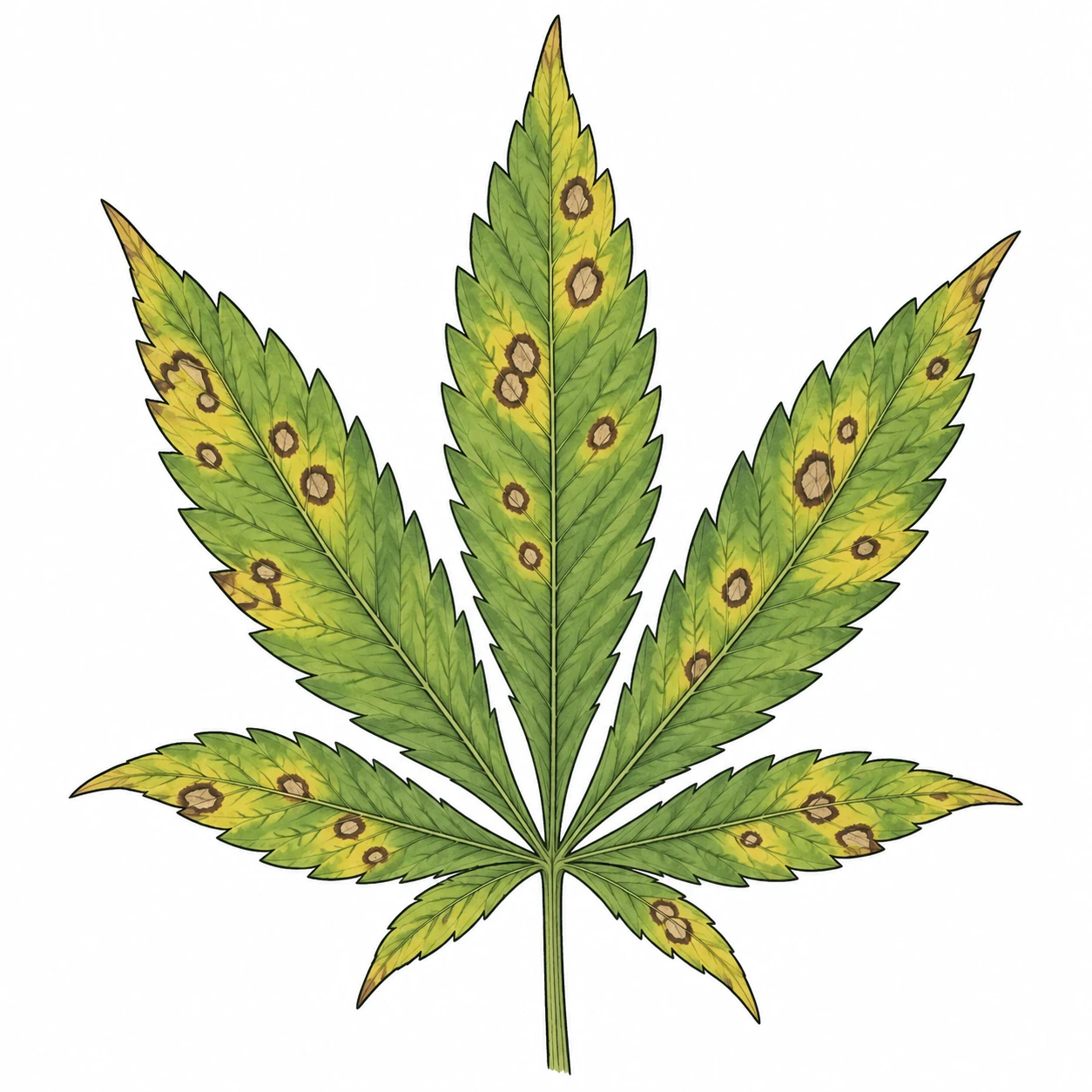
How to Identify and Treat Anthracnose
Sunken leaf spots with dark edges and visible spore masses — this sunken look sets them apart from similar deficiency symptoms.
Read article →Frequently asked questions about cannabis fungal diseases
How can I tell if my plant has a fungal disease?
Typical signs are a white or gray coating, dark spots with ring patterns, a rotten smell from inside the bud or sudden wilting despite normal watering. Unlike with pests, there are usually no insects in sight — the damage spreads across whole areas rather than showing up as individual spots.
How fast do I need to act if I suspect bud rot?
Immediately. Bud rot (botrytis) can destroy a bud from the inside within 24 to 48 hours. Remove affected areas generously right away and throw them out — hesitating here costs you harvest directly.
What encourages fungal infections in cannabis the most?
High humidity (above 60% during flowering), poor air circulation, overly dense foliage and standing moisture on plant parts are the most common causes. Almost every fungal infection can be traced back to at least one of these factors.
Can I compost infected plant material?
No, absolutely not. Fungal spores often survive the composting process and can spread again in your next grow. Infected plant parts belong in the household trash — never in the compost or your growing medium.
How do I tell a fungal infection apart from a pest infestation?
Cannabis fungal diseases usually show up as a coating, discoloration or rotten smell spread across whole areas, with no visible insects. Pests, on the other hand, tend to leave localized damage such as specks, holes or webbing and can often be seen with a magnifying glass. When in doubt, our Plant Diagnosis Tool helps you tell them apart.
How do I prevent fungal diseases for good?
Keep humidity below 55%, especially during flowering, make sure there is active air circulation through the canopy, defoliate dense areas regularly and avoid getting leaves or buds wet when you water. These four steps prevent most cases from the start.
