

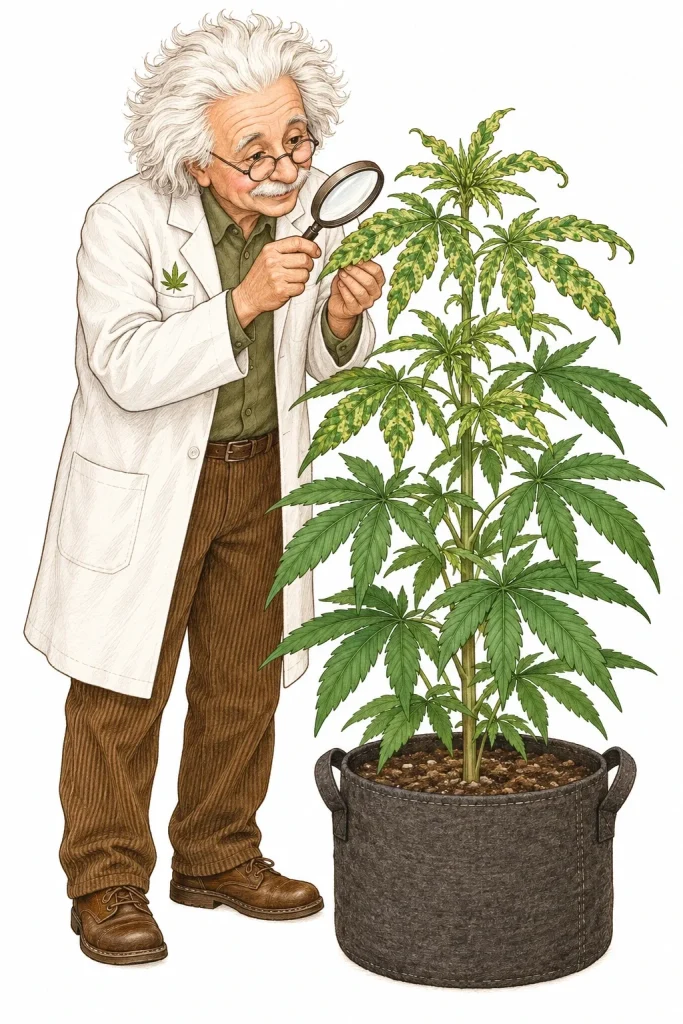
A cannabis virus is one of the trickiest problems you can run into, because the symptoms often look like a nutrient deficiency or a pest problem. Unlike fungi or bacteria, there’s no direct cure for a cannabis virus. That’s why spotting it early and acting fast matter so much. In this article, we’ll show you how to reliably identify tobacco mosaic virus, beet curly top virus and other viral diseases, and what you can do about them.
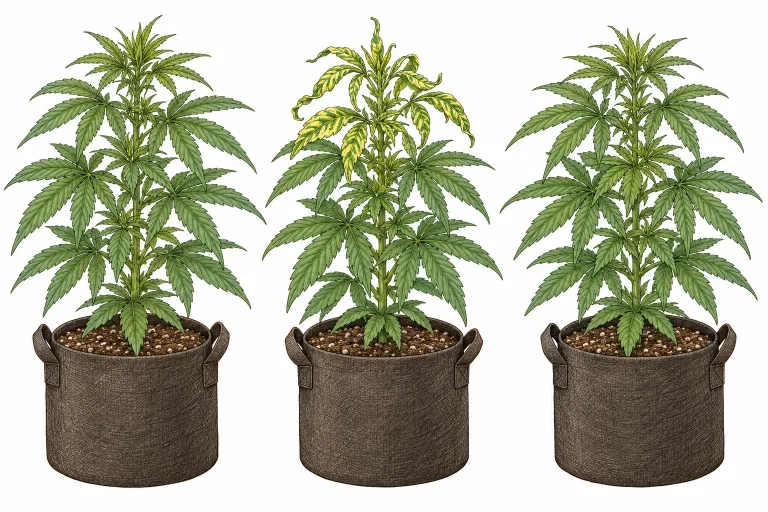
What Is a Cannabis Virus and How Does It Spread?
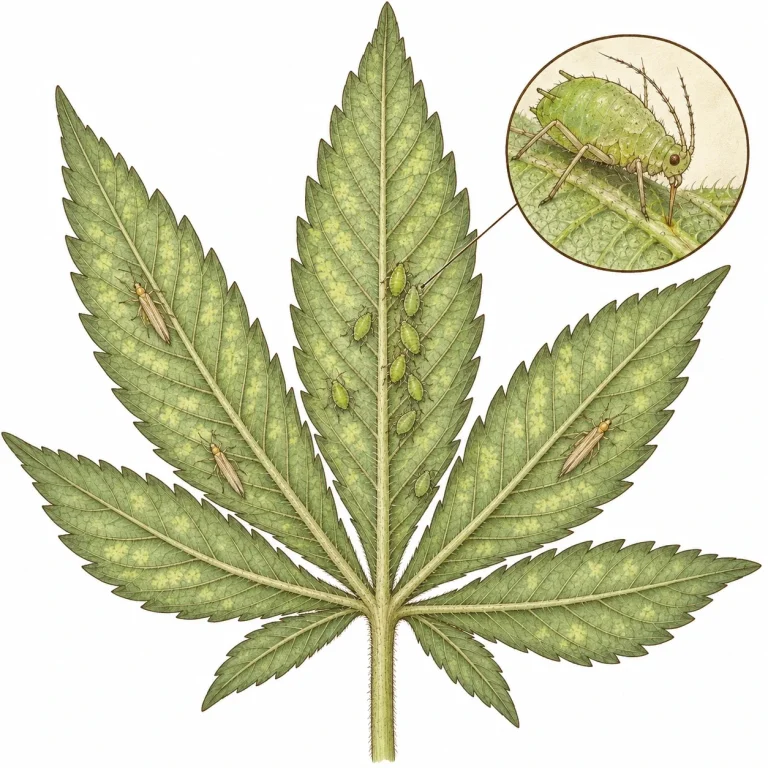
A cannabis virus is a tiny pathogen that invades the plant’s cells and disrupts its metabolism for good. Unlike fungal infections or nutrient problems, you can’t treat a virus with nutrients or fungicides. It slips into the cell’s genetic material and replicates there.
Viruses are often spread by sap-sucking insects like aphids, thrips or whiteflies, which carry the pathogen from plant to plant. Contaminated tools, infected clones or contaminated seeds can also bring a cannabis virus into your grow.
The really sneaky part: some plants can stay symptom-free for weeks while already carrying the virus and spreading it. That’s why checking your plants regularly is your best tool for catching it early.
- Spread mainly by sap-sucking pests
- No direct cure with nutrients or sprays
- The virus can hide in the plant unnoticed for weeks
- Contaminated scissors and tools are a common way it spreads
How to Spot Tobacco Mosaic Virus in Cannabis

Tobacco mosaic virus (TMV) is one of the longest-known plant viruses, and it can infect cannabis too. The telltale sign is a blotchy, mosaic-like pattern of light green and dark green patches on the leaves that looks a bit like marbling.
Affected leaves often look slightly wavy or deformed, and the whole plant’s growth can slow down noticeably. In later stages, the leaf edges can curl up, and the plant can lose a lot of its overall vigor.
Tobacco mosaic virus is extremely tough. It can stay infectious for months on dried plant material, tobacco products or contaminated surfaces. If you smoke and then handle your plants without gloves, you risk spreading it.
- Mosaic-like pattern of light and dark green patches
- Slightly wavy or deformed leaf structure
- Slower growth across the whole plant
- Can also spread through contaminated tobacco products
Beet Curly Top Virus and Other Cannabis Viruses to Know
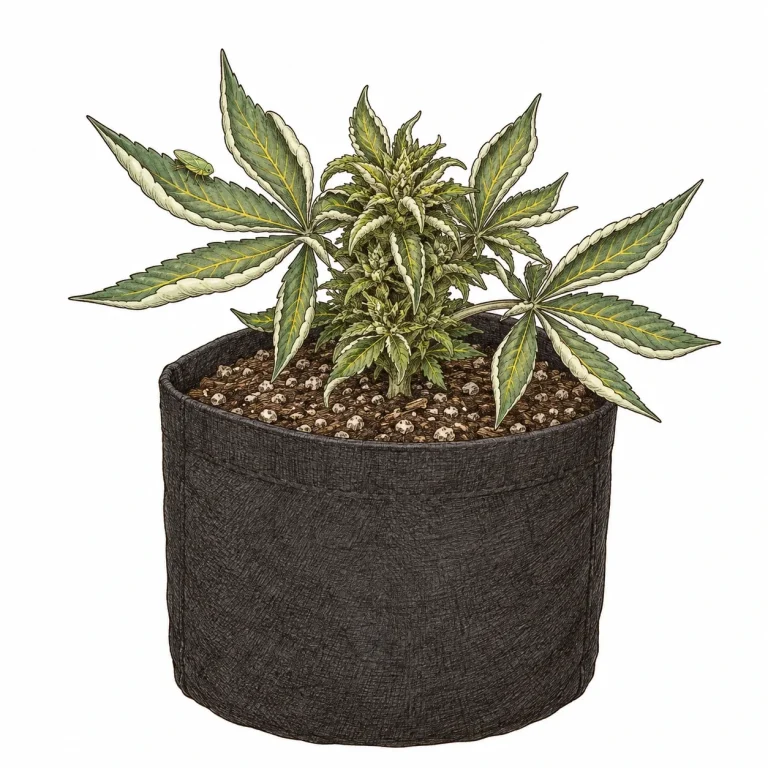
Beet curly top virus (BCTV) is spread by leafhoppers and gives cannabis a very distinctive look. The leaves curl up hard and feel thick and brittle. The leaf veins turn noticeably pale or yellow.
Infected plants often show stunted growth with short internodes and an overall bushy, crippled look. Flowering takes a big hit. Buds often stay small and misshapen, a lot like cannabis popcorn buds.
Besides TMV and BCTV, two more players matter: cannabis cryptic virus, which usually shows few symptoms, and above all hop latent viroid (HLVd). Strictly speaking, HLVd isn’t a virus but a viroid. In recent years, it has caused serious yield losses in commercial grows. Since HLVd can look a lot like a viral infection, often only a lab test (PCR) gives you a clear answer. The Julius Kühn Institute offers background on plant health. You’ll find more details in our article on HLVd in cannabis.
- Strong upward curling of the leaves
- Thick, brittle leaf texture with pale veins
- Stunted growth and short internodes
- Small, misshapen buds
How to Tell a Cannabis Virus From Similar Problems
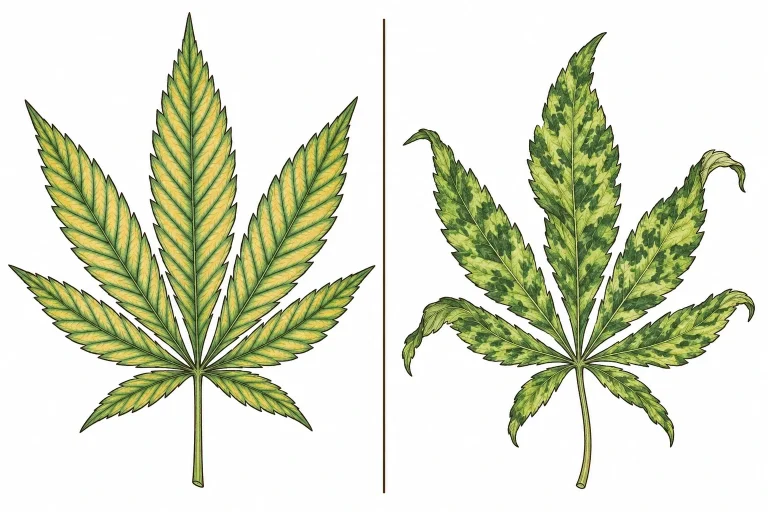
Many growers first mistake a cannabis virus for a nutrient deficiency or toxicity, since both can cause discoloration. The key difference is the pattern. Nutrient problems usually cause even discoloration along specific parts of the leaf. A virus causes irregular, blotchy or mosaic-like patterns.
You might also confuse it with cannabis claw leaves, since both problems can deform the leaves. Claw leaves are usually caused by nutrient burn or heat stress, though, and they respond once you fix the cause. Viral symptoms stick around or can even get worse despite perfect care. Broad mites can also cause similarly twisted, crippled growing tips. A quick look at the young leaves with a magnifying glass clears things up fast.
Another clue is how it spreads. Nutrient problems usually affect the whole plant evenly. A virus often hits single shoots or leaves first and then spreads slowly from there. If you’ve already dialed in feeding, pH and watering and the symptoms won’t go away, consider a viral infection.
- Irregular, mosaic-like patterns instead of even discoloration
- Symptoms stick around despite ideal feeding and care
- Infection often starts on single shoots, not the whole plant
- No response when you correct pH or adjust nutrients
What to Do Right Away If a Cannabis Virus Is Confirmed
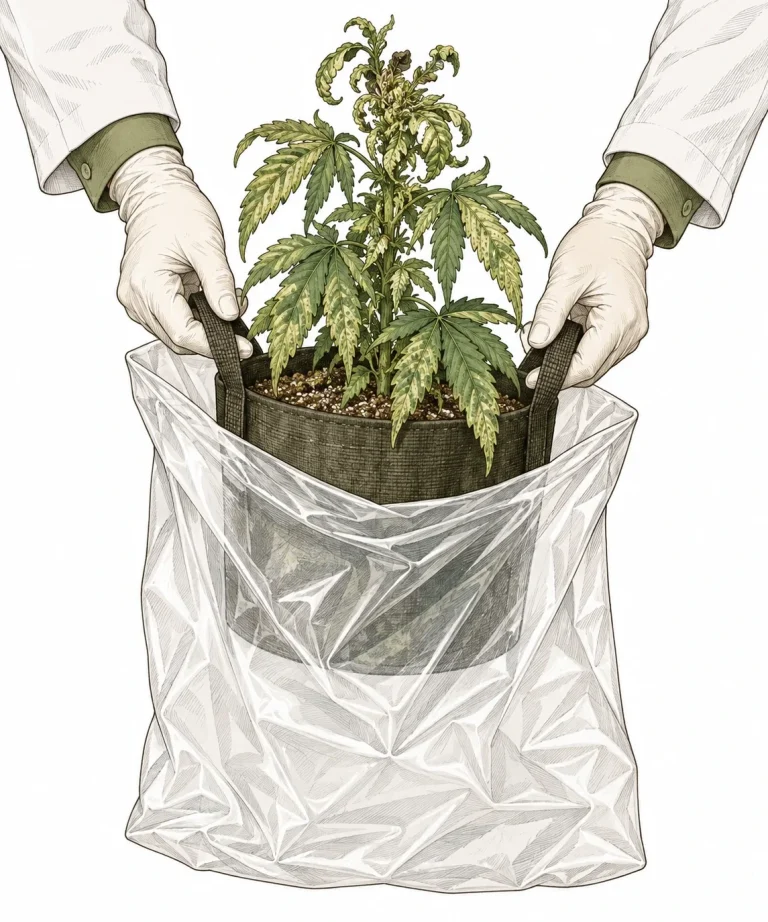
Once you suspect or confirm a cannabis virus, act fast so it doesn’t spread through your whole grow. Move the affected plant away from the others right away. Make sure no tools or clothing carry anything from it to your healthy plants.
There’s no cure for a viral infection. In most cases, removing the infected plant completely is the safest option. Don’t put the plant material on your compost pile. Toss it in the household trash so the pathogen can’t spread any further.
Next, thoroughly disinfect all tools, pots and surfaces with a 10% bleach solution or a dedicated plant disinfectant. Wash your hands and change or clean your clothes after handling an infected plant, before you touch any other plants.
- Isolate the infected plant right away
- Removing the plant completely is usually the only safe fix
- Disinfect tools and surfaces with a bleach solution
- Toss plant material in the trash, not on the compost pile
Preventing Cannabis Viruses: Long-Term Protection
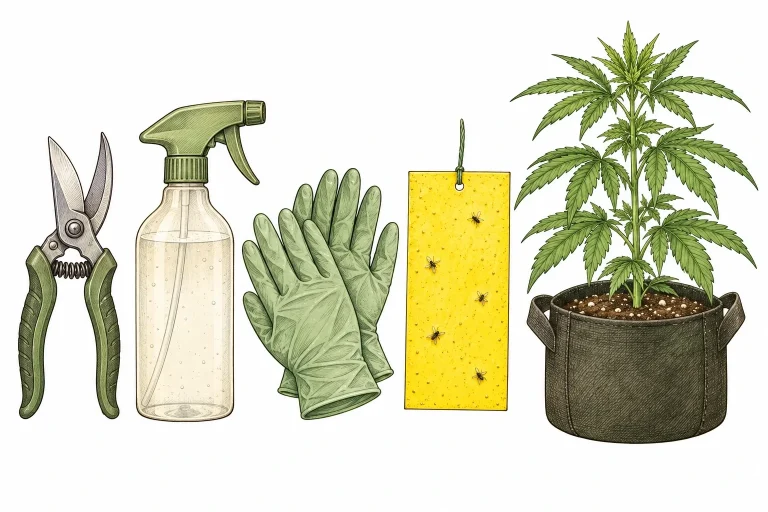
Your best strategy against a cannabis virus is consistent prevention, because treating it after the fact is barely possible. The most important step is keeping sap-sucking pests under control, since they’re the main carriers of viral diseases. Learn how to beat aphids, thrips and other pests in our guide to cannabis pest control.
Only use seeds and clones from trusted sources. Viruses can also sneak in through infected starting material. Keep new plants in quarantine for a few weeks before you move them into your main grow.
Clean your tools routinely when you switch from one plant to the next. And don’t work on your plants right after smoking without washing your hands first. For a solid foundation of healthy, resilient plants, check out our in-depth cannabis disease diagnosis guide.
- Consistent pest control is your most important prevention step
- Only use seeds and clones from trusted sources
- Quarantine new plants for several weeks
- Disinfect your tools regularly between plants
Frequently Asked Questions
Can I treat a cannabis virus with nutrients or a fungicide?
No. There’s no direct chemical or biological treatment for viral infections. Nutrients only help with nutrient problems, and fungicides only work against fungal diseases. Neither does anything against viruses. Your only effective move is to isolate the affected plant and, in most cases, remove it.
Can you still use a virus-infected cannabis plant?
In general, it’s best not to use virus-infected plants. Bud quality can suffer badly and yields are often much lower. The plant virus itself isn’t a direct health concern. But weakened plants can be more prone to mold and other secondary infections.
How fast does a cannabis virus spread through a grow?
How fast it spreads depends heavily on how many carrier insects are around. With a heavy aphid or thrips infestation, a virus can spread to several plants within a few weeks. That’s why acting fast at the first symptoms is key. Tobacco mosaic virus is different. Insects rarely spread it. It mostly travels on hands and tools.
Which cannabis virus is most common in home grows?
Hop latent viroid (HLVd) is the one detected most often in home grows. It mainly spreads through clones and contaminated tools. Tobacco mosaic virus (TMV) is less well documented in cannabis, but it can easily spread through hands, tools and tobacco products. Beet curly top virus mostly shows up in outdoor growing in hot, dry regions with lots of beet leafhoppers, such as the western US. In cooler, more humid regions, it’s rarely an issue so far.
The Bottom Line
You can’t cure a cannabis virus, but with close monitoring and consistent prevention, you can cut the risk of infection a lot. Watch for mosaic-like leaf patterns and stunted, deformed growth, and keep sap-sucking pests in check so you can react early. When in doubt, quickly isolating and removing affected plants is the safest way to protect your whole grow.
