

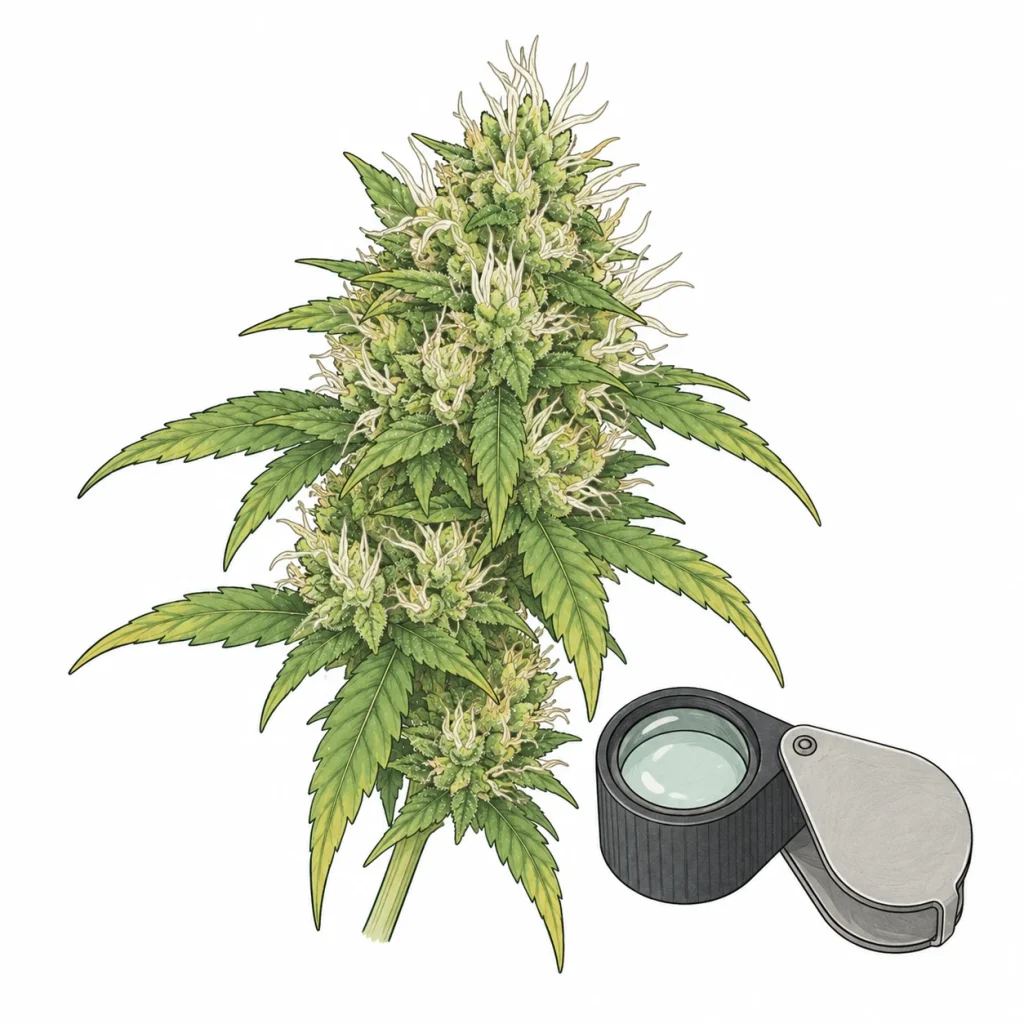
Harvesting cannabis too early is one of the most common grow mistakes, and one of the most costly. If you cut too soon, you can lose a big chunk of the potency, aroma and yield your plant could have given you. The last two to three weeks of flowering matter most. That’s when trichomes mature, cannabinoids build up and the full terpene profile develops. This guide from PlantClue shows you how to tell when a plant isn’t ready yet, which checks you can rely on, and how to pin down the right harvest window. Check the cannabis laws where you live before growing. Then use these tips to get the most out of your harvest.
Why So Many Growers Harvest Cannabis Too Early
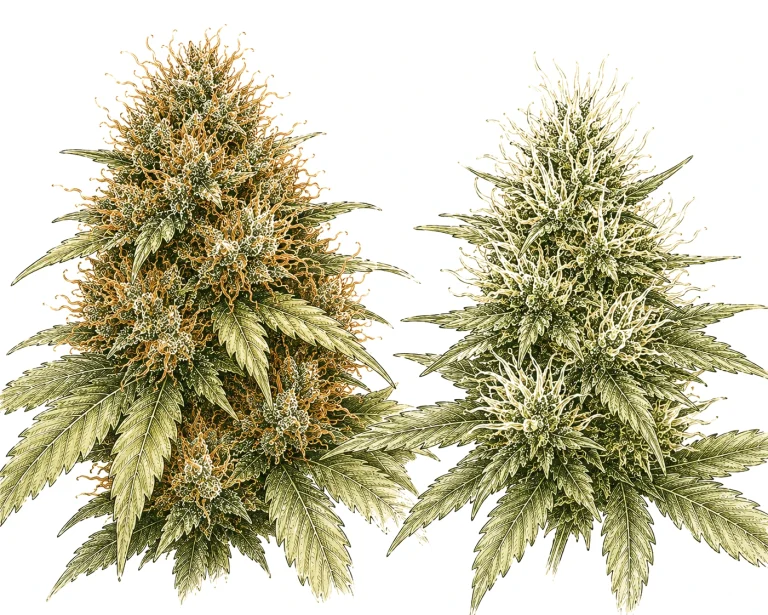
The urge to finally chop is real for a lot of growers. You’ve put in months of work, the plant looks amazing, and the fear of mold, pests or other problems grows with every extra week. This is exactly when many growers decide to harvest a week early rather than risk something going wrong. But the result is often a noticeably weaker end product, with less effect, a thin aroma and less weight than you could have had.
Another common trigger is trusting seed bank info a little too much. If a strain is listed with “flowering time: 8 weeks,” many growers assume they can harvest on day 56 sharp. In reality, those numbers are rough guides. They depend heavily on temperature, light intensity, growing medium, phenotype and how the plant was raised. It’s not unusual for plants to need one to three weeks longer than the breeder says.
On top of that, judging ripeness can be tricky. If you don’t know what mature trichomes look like, or you don’t have a decent loupe, you end up going by surface clues like leaf color or the overall look of the buds. Those clues say very little about how far along the cannabinoids really are. Harvest too early, and you can easily cheat yourself out of the reward for all your hard work.
- Fear of mold or pests pushes you into an early harvest
- Blind trust in the breeder’s flowering time
- Missing or inadequate gear for checking trichomes
- Impatience after months of growing
- Mistaking yellowing leaves for a sign of ripeness
How to Spot a Cannabis Plant That Was Harvested Too Early
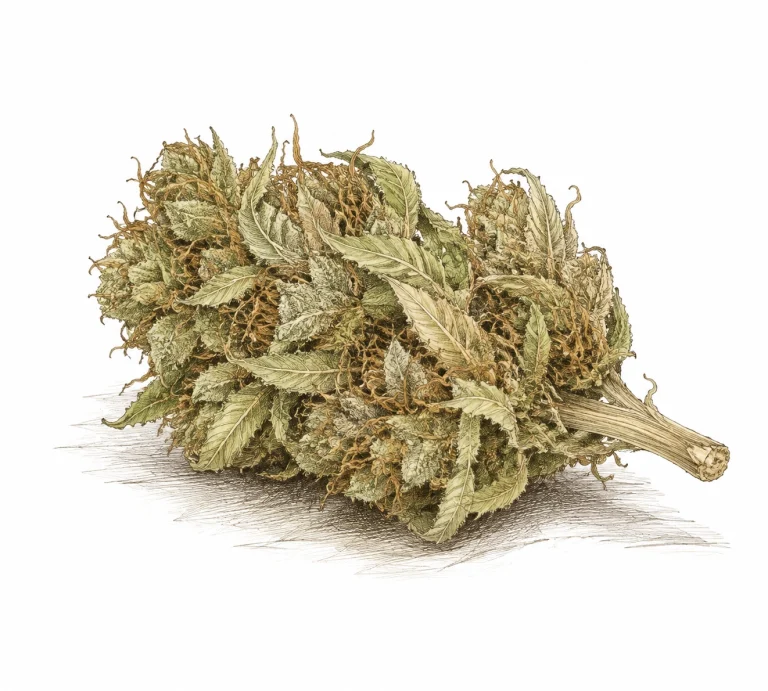
If you harvest cannabis too early, you often won’t notice the damage until drying and curing. The dried buds look paler than expected, feel airy and light, and the typical strain-specific smell stays weak or barely shows up. That’s because the terpenes and cannabinoids haven’t reached their peak levels yet. A green, sometimes almost grassy smell is very common in buds that were cut too soon.
When you smoke it, an early harvest shows up as a noticeably weaker, shorter-lasting effect. THC levels haven’t fully developed, and the cannabinoid balance isn’t where the strain is at its best. There can also still be a lot of CBG, the precursor of THC and CBD that hasn’t been fully converted yet. The result is often a slightly racy, heady high without the depth and duration the strain could really deliver.
Your yield takes a hit, too. The last weeks of flowering are when buds pack on the most weight. Harvest one to two weeks early, and you can easily lose 20 to 30 percent of your final yield. That stings even more when you realize the plant would have built that weight on its own, with no extra work from you.
- Pale, airy look of the dried buds
- Weak, green, grassy smell instead of the strain’s typical aroma
- Noticeably weaker, shorter-lasting effect
- Lower final weight than a fully ripe harvest
- Heady effect from the CBG still present
- Hardly any resin shine on the finished buds
Avoid Harvesting Cannabis Too Early: How to Read Your Trichomes
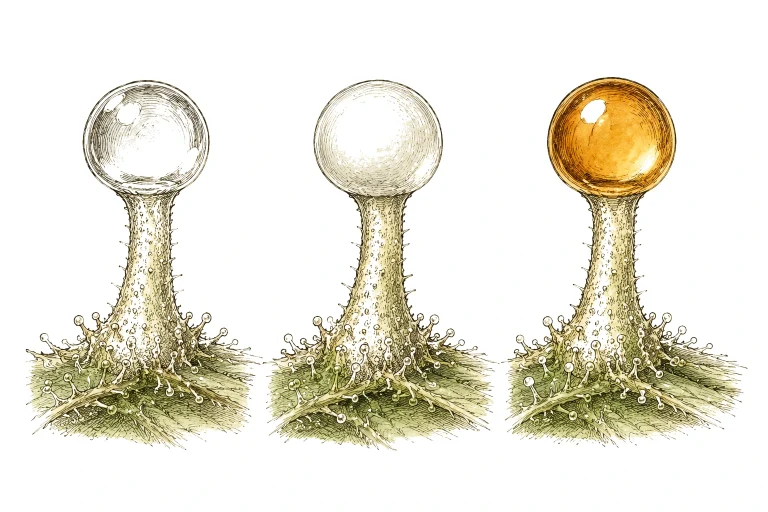
The most reliable way to avoid harvesting cannabis too early is to check the trichomes directly under magnification. Trichomes are the tiny, resin-filled glandular hairs on the buds and sugar leaves. As they mature, they go through three clearly different stages: they start out clear and see-through, then turn milky white (cloudy), and finally shift to amber or orange-brown.
You can find a detailed guide with side-by-side photos in the article How to Read Trichomes for Harvest Time. To judge trichomes reliably, you need at least 40x to 60x magnification. A cheap jeweler’s loupe does the job, and a digital USB microscope makes it even easier. Clear trichomes mean the buds are still very immature and most of the THC is still in its precursor form. Once most trichomes have turned milky white, the plant is basically ready to harvest, but not at its peak yet. For most strains, the sweet spot is a mix of mostly milky trichomes with up to 20 to 30 percent amber.
Important: Always check the trichomes on the buds themselves, not on the big leaves. Leaf trichomes mature earlier and can give you a misleading picture of how ripe your buds really are. Check several buds at different spots on the plant, because ripeness can vary. The top colas usually mature a bit earlier than the side branches lower down on the plant.
- Clear trichomes: Still immature, don’t harvest yet
- Milky white trichomes: Basically ready to harvest, but not at peak yet
- Amber trichomes: Peak for most strains at 20-30% amber
- Always judge bud trichomes, not leaf trichomes
- Check several spots on the plant, ripeness can be uneven
- Use at least 40x magnification
Pistils and Leaf Yellowing as Clues for Harvest Time
Besides trichomes, there are other ripeness signs you can spot without a loupe. The pistils – the fine, hair-like strands on the buds – change color as the plant matures, going from white to orange, red, or brown. When more than 70 to 80 percent of the pistils have changed color, that’s a good sign harvest is getting close. But pistils alone aren’t a reliable method, because they can also change color from outside factors like touch, temperature, or pollination.
Yellowing of the lower and middle leaves, also called “senescence,” is a natural process toward the end of the flowering stage. The plant pulls nutrients out of older leaves and moves them into the buds. This yellowing can point to advanced ripeness, but it isn’t a reliable sign on its own either. Yellowing can also come from calcium deficiency in cannabis or other nutrient problems, so don’t confuse it with natural ripening senescence.
For beginners, a combined approach works best: use the pistils as a rough guide and check the trichomes with a loupe at the same time. That’s the only way to get the full picture of ripeness. When pistils and trichomes agree – mostly darkened pistils and milky-to-amber trichomes – you can be confident you’re not harvesting your cannabis too early.
- 70-80% orange/brown pistils suggest harvest is coming up
- Pistils alone aren’t enough – always combine them with a trichome check
- Natural yellowing of the lower leaves is a sign of ripeness
- Tell yellowing from nutrient deficiencies apart from natural senescence
- Combining several signs gives you the most reliable read
Harvesting Cannabis Too Early: How Strain Types Differ
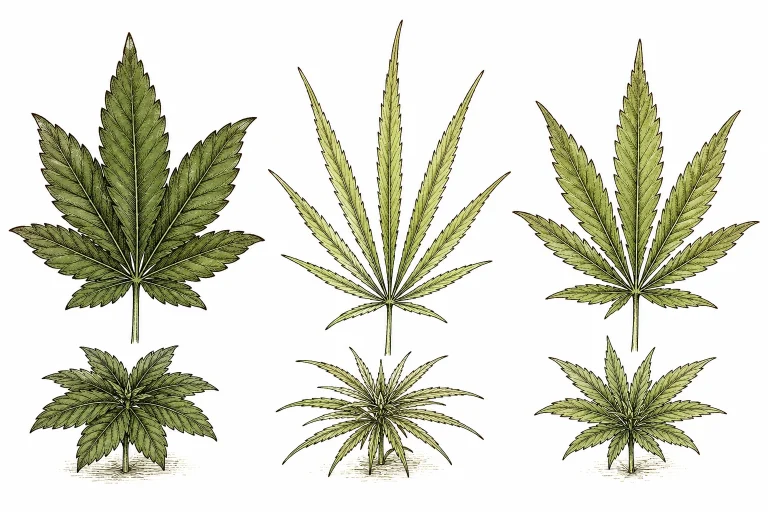
Not all cannabis strains mature at the same speed, and the risk of harvesting too early depends on the strain type. Indica-dominant strains usually have shorter flowering times of 7 to 9 weeks and clearer ripeness signs. Sativa-dominant strains, on the other hand, can take 10 to 14 weeks or longer and show less obvious ripeness signs, which makes it harder to call the right time. If you rely on the seed bank’s listed flowering time for a sativa-dominant strain, there’s a good chance you’ll harvest too early.
Autoflowering strains are a special case: they flower regardless of the light cycle and usually have much shorter total cycles of 70 to 90 days. Many beginners think they can simply harvest once that time is up. But here too, the individual plant is what counts. Even with autoflowers, some plants can take noticeably longer than listed. Checking the trichomes is the only reliable yardstick for autoflowers as well.
That’s why successful indoor growing starts with learning what’s typical for your strain and planning realistic time windows. Write down the date you flipped to flower. Then add at least two to four weeks of buffer after the breeder’s minimum flowering time. That buffer gives your plants time to ripen properly, and it keeps you from making panic decisions.
- Indica strains: 7-9 weeks of flowering, clearer signs of ripeness
- Sativa strains: 10-14+ weeks of flowering, harder to judge
- Autoflowers: short cycles, but each plant sets its own pace
- Treat breeder info as a minimum, never as a fixed date
- Plan 2-4 weeks of buffer after the minimum flowering time
How to Avoid Harvesting Cannabis Too Early: A Practical Harvest Time Checklist
You can also use our Harvest Time Calculator to get a rough idea of your expected harvest window.
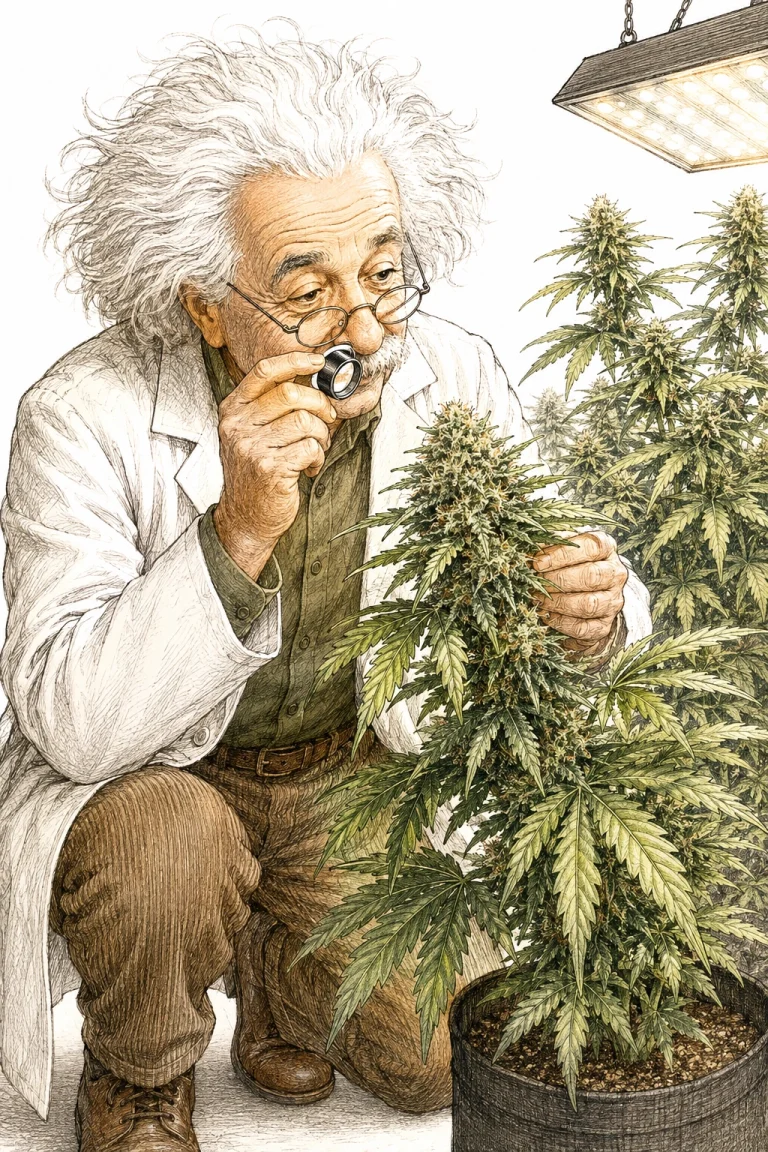
A structured routine in the final weeks of flowering helps you avoid harvesting too early. Start checking trichomes regularly no later than one week before the minimum flowering time, ideally every two to three days. Take photos if you can, so you can track the changes over time. Those notes also pay off on future runs with the same strain.
Keep an eye on your cannabis pH throughout late flower, too. The wrong pH can block nutrient uptake and slow down natural ripening. When pH swings around, plants can show ripeness signals later or stall in bud development, and growers sometimes mistake that for “early ripeness.” Keep the pH between 6.0 and 7.0 in soil and between 5.5 and 6.5 in hydroponics.
Also plan to flush your growing medium (“flushing”) one to two weeks before your planned harvest. Flushing means running pH-adjusted water through the medium. It can help clear excess nutrient salts from the medium and the plant, and it can noticeably improve the taste of the final product. Only start flushing once the trichomes are actually close to ready, not as a blanket step after a set number of days.
- Check trichomes every 2-3 days starting in week 6-7 of flowering
- Document what you see with photos to compare strains
- Monitor and adjust pH throughout late flower
- Only start flushing once trichomes are close to ready
- Use pistil color as an extra guide
- Treat the strain’s flowering time as a minimum, not a target date
- Check several areas of the plant, since ripeness can vary
What to Do If You Already Harvested Cannabis Too Early
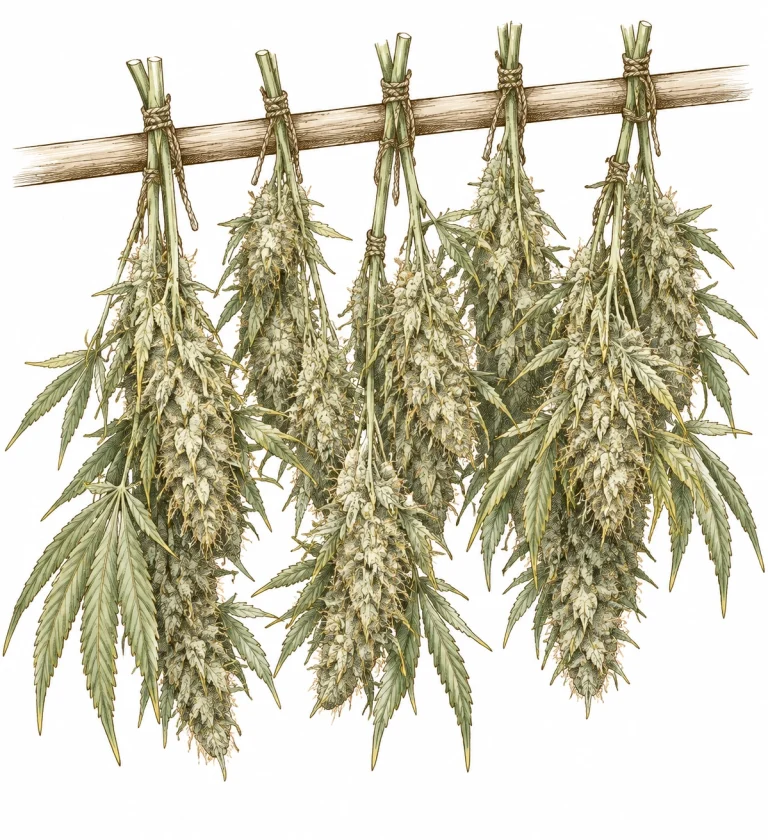
Already harvested and noticed that most trichomes were still clear, with only a few cloudy ones? You still have ways to make the best of it. First things first: don’t panic. Cannabis harvested too early is still usable. It just hasn’t reached its full potential. If you still have other plants or even smaller side branches, leave them on the plant and give them the extra weeks they need to fully ripen.
For the buds you’ve already cut, extra-careful curing can help preserve at least some of the cannabinoids and terpenes that are there. Let the buds dry slowly and gently, not too fast and not too warm. After that, cure them in airtight jars for at least four to eight weeks, burping the jars briefly every day during the first weeks. A good cure can still clearly improve the aroma and quality of early-harvested buds, even if it can’t fully bring back the lost potential.
Treat it as a learning opportunity: write down the exact harvest date, the number of flowering weeks, what the trichomes looked like and how the final result turned out. These notes can help you a lot on your next grow. Plenty of experienced growers have harvested too early at least once. What counts is what you take away for your next run.
- Let remaining side branches and plants keep ripening
- Dry slowly and gently, even with early-harvested buds
- Cure for at least 4-8 weeks in airtight jars
- Burp the jars briefly every day during the first 2-3 weeks of curing
- Record the date, flowering weeks and trichome stage for your next grow
Frequently Asked Questions
How can I tell if my cannabis plant isn’t ready to harvest yet?
Your most reliable indicator is the trichomes under magnification. If most trichomes are still clear and see-through, your plant definitely isn’t ready. Milky-white trichomes signal basic ripeness, but the sweet spot is a mix of milky-white and about 20–30% amber trichomes. You can also check the pistils: if fewer than 70% of them have changed color, that’s another sign your plant needs more time.
How much yield do I lose if I harvest cannabis too early?
In the last two to three weeks of flowering, a plant can still put on 20–30% of its final weight. So if you harvest two weeks early, you could lose a quarter to a third of your potential yield. On top of that, quality can take a big hit – less potency, weaker aroma and an overall more disappointing end product.
Can I just go by the flowering time on the seed bank’s info sheet?
No – seed bank numbers are a rough guide, not a fixed date. Light intensity, temperature, growing medium, feeding and individual genetic expression can stretch the actual flowering time by one to three weeks. Always plan at least two weeks of buffer after the listed minimum flowering time, and let the trichomes make the call.
What magnifier or device do I need to check trichomes?
A simple jeweler’s loupe with 30x to 60x magnification is all you need to judge trichomes reliably, and you can pick one up for just a few bucks. A digital USB microscope or a smartphone macro lens that shows the image on your screen works too. The key is enough magnification to clearly make out the individual trichome heads.
What happens to the terpene profile if you harvest cannabis too early?
Terpenes keep developing right up to full ripeness. Harvest too early and you get an incomplete terpene profile – the aroma tends to be weaker, thinner and often more green and grassy than with a fully ripe harvest. Some of the terpenes behind a strain’s signature aroma only fully form in the final weeks of ripening. Even a long cure can’t fully make up for those lost terpenes.
Can I harvest a side branch early as a test bud to sample the strain?
Yes, that’s a common approach. You can harvest a few smaller side branches early and test them after a quick dry, without touching your main colas. These test buds give you a preview of the strain’s profile, but they don’t yet represent fully mature quality. Treat these tests as information only, not as the basis for deciding when to harvest the whole plant.
The Bottom Line
Harvesting cannabis too early is an avoidable mistake. With the right prep and the right tools, you can reliably prevent it. Checking trichomes under magnification is the only truly reliable way to pin down your ideal harvest window. Everything else is just a supporting clue. Take the time to watch your plant closely in the final weeks, and trust what you see, not the calendar. The patience you show in this stage pays off directly in better aroma, higher potency and a bigger yield.
