Cannabis Growing Techniques
LST, topping, SCROG & more — how to get the most out of your plant.
Why cannabis training techniques matter
With the right cannabis training techniques, you can boost your plants’ yield significantly — without needing more light or space. LST (low stress training), topping and SCROG (screen of green) make sure every shoot gets even light and develops more colas. If you match the technique to the growth stage, you can harvest up to 40% more than without training.
Cannabis training techniques fall into two categories: low stress training (LST) bends and ties down shoots without injuring them — low risk, slower effect. High stress training (HST) such as topping and FIMing deliberately removes the growing tip, while supercropping pinches and bends the stem in a controlled way instead — both break the plant’s apical dominance (German) — the result is more side shoots and a bushier structure, but also a higher risk if done wrong.
With every cannabis training technique, timing makes or breaks the result: most of them only work in the vegetative stage, because the plant still has time to recover afterward. If you only start training shortly before or during flowering, you risk losing yield instead of gaining it, because the plant lacks the time to recover.
For beginners, low stress training (LST) is the best place to start, since it carries hardly any risk and shows results right away. Only once you have a feel for how your plant grows are more demanding techniques like SCROG or mainlining worth it — they take more planning and better timing.

Start with LST — no wounds to heal, minimal risk. Save topping and SCROG for when you have a feel for how your plants grow.
Cannabis training techniques at a glance
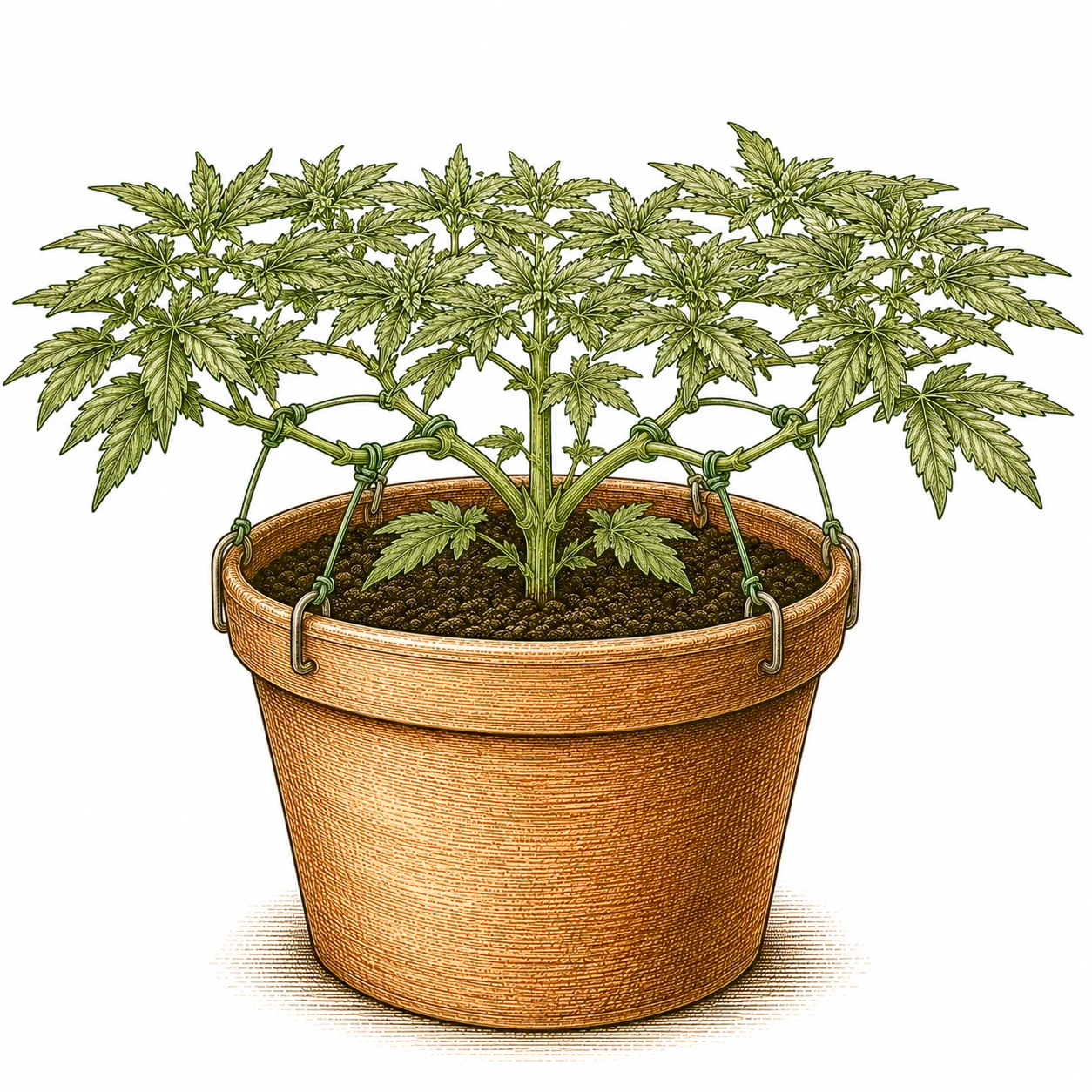
LST — Low Stress Training
Gently bend and tie down shoots for even, bushy growth without cutting.
Read article →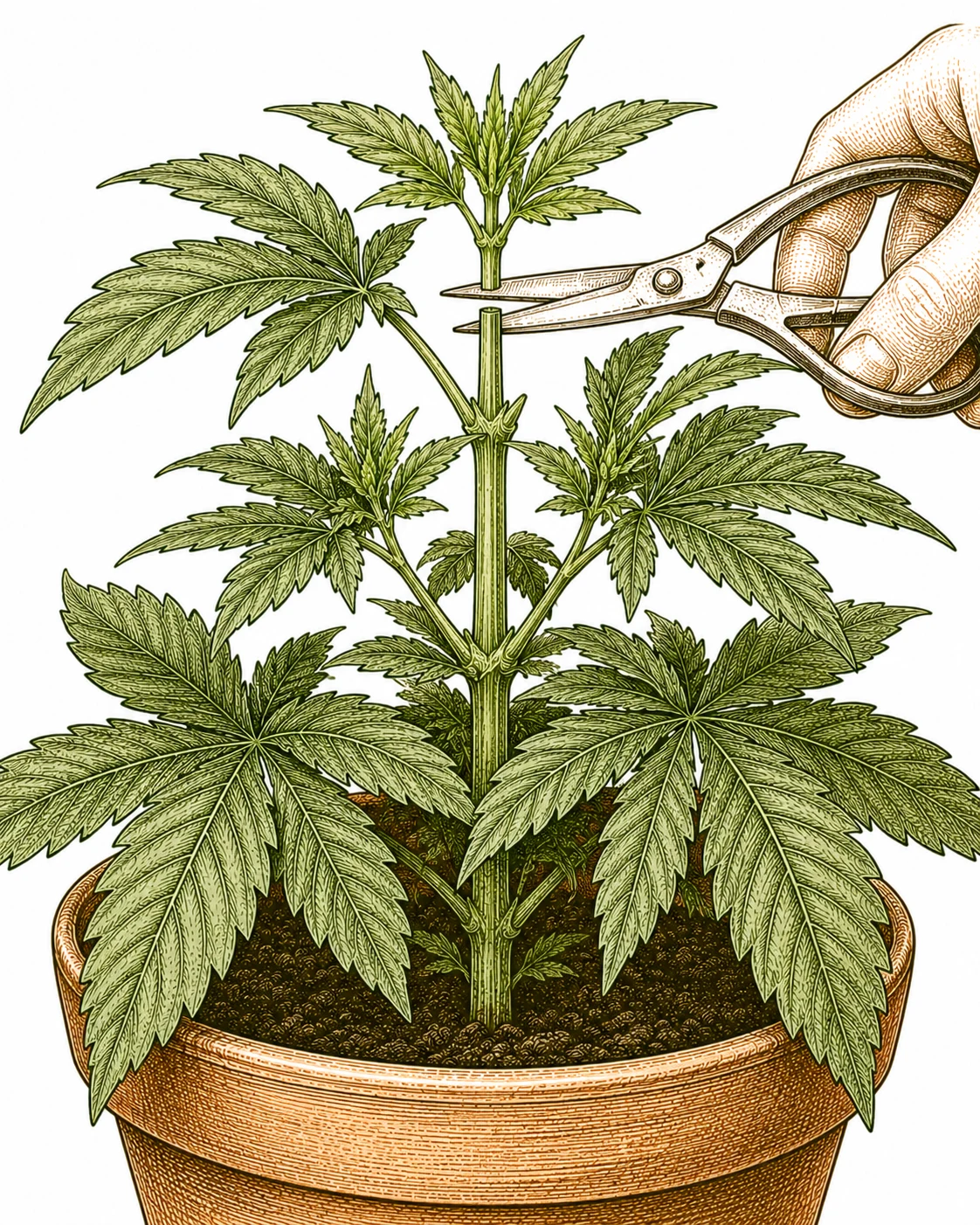
Topping
Cut off the main shoot — two new main colas form, bushier growth guaranteed.
Read article →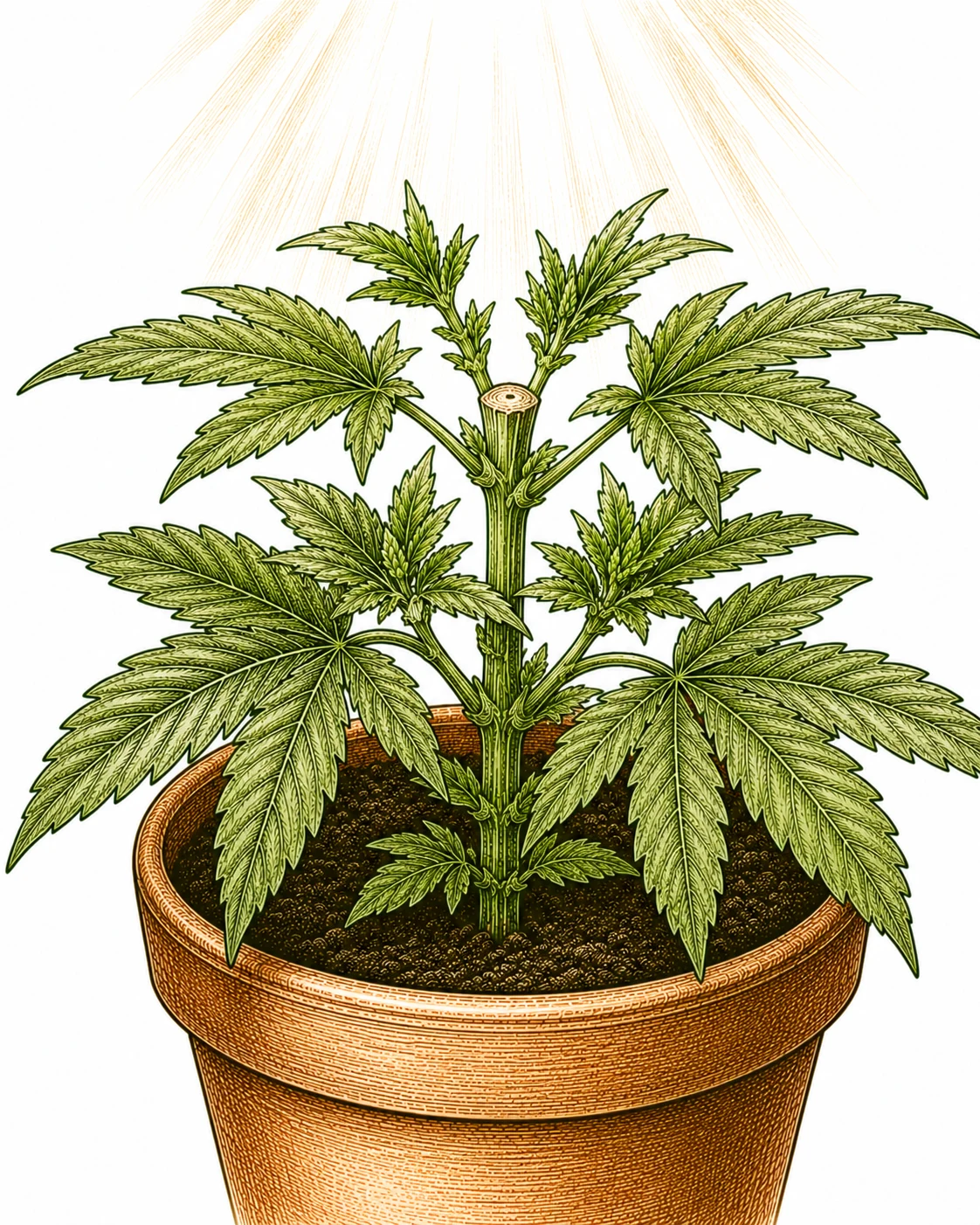
FIMing
Similar to topping, but only partially cutting the tip — up to four new shoots at once.
Read article →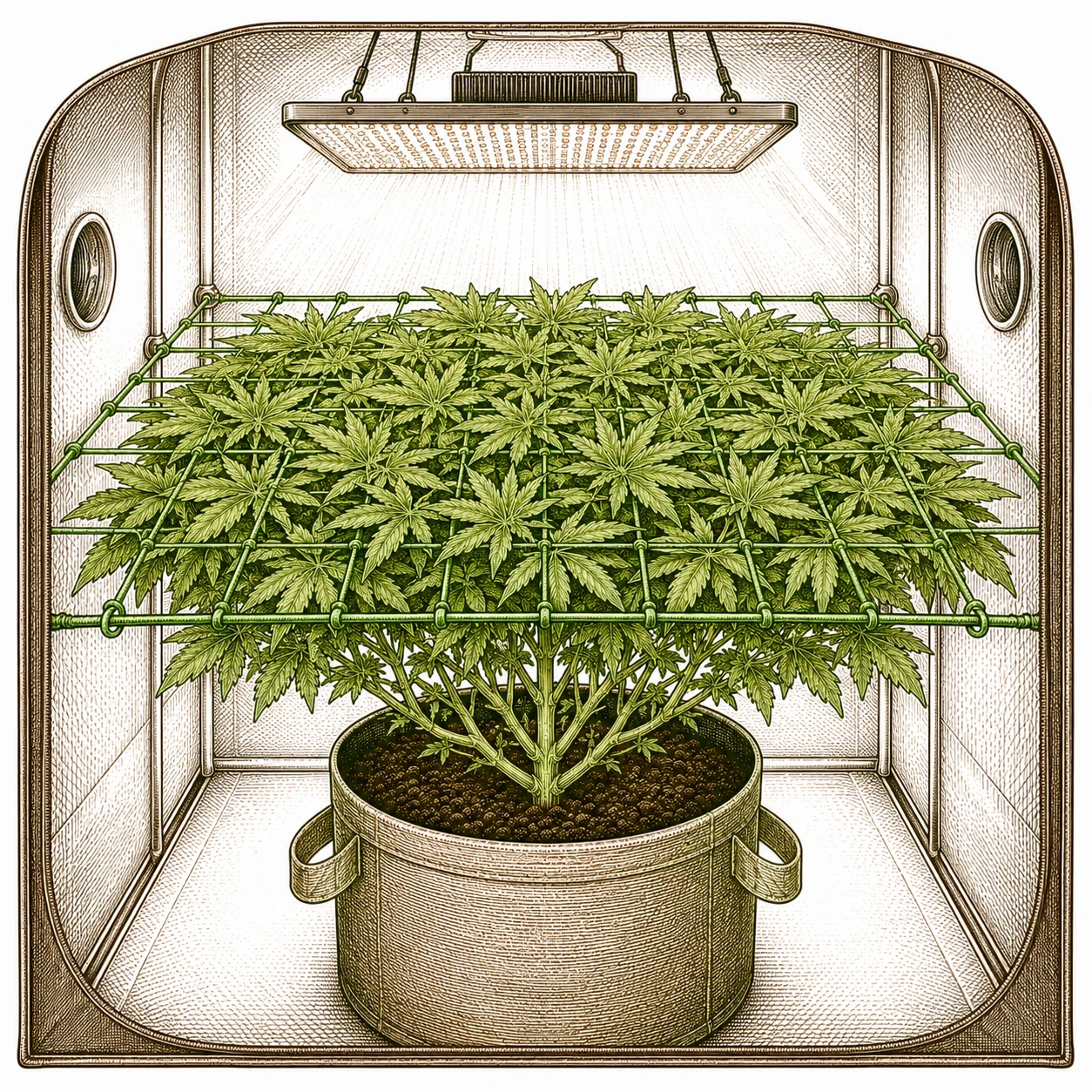
SCROG — Screen of Green
A trellis net for even light distribution — maximum indoor yield per square foot.
Read article →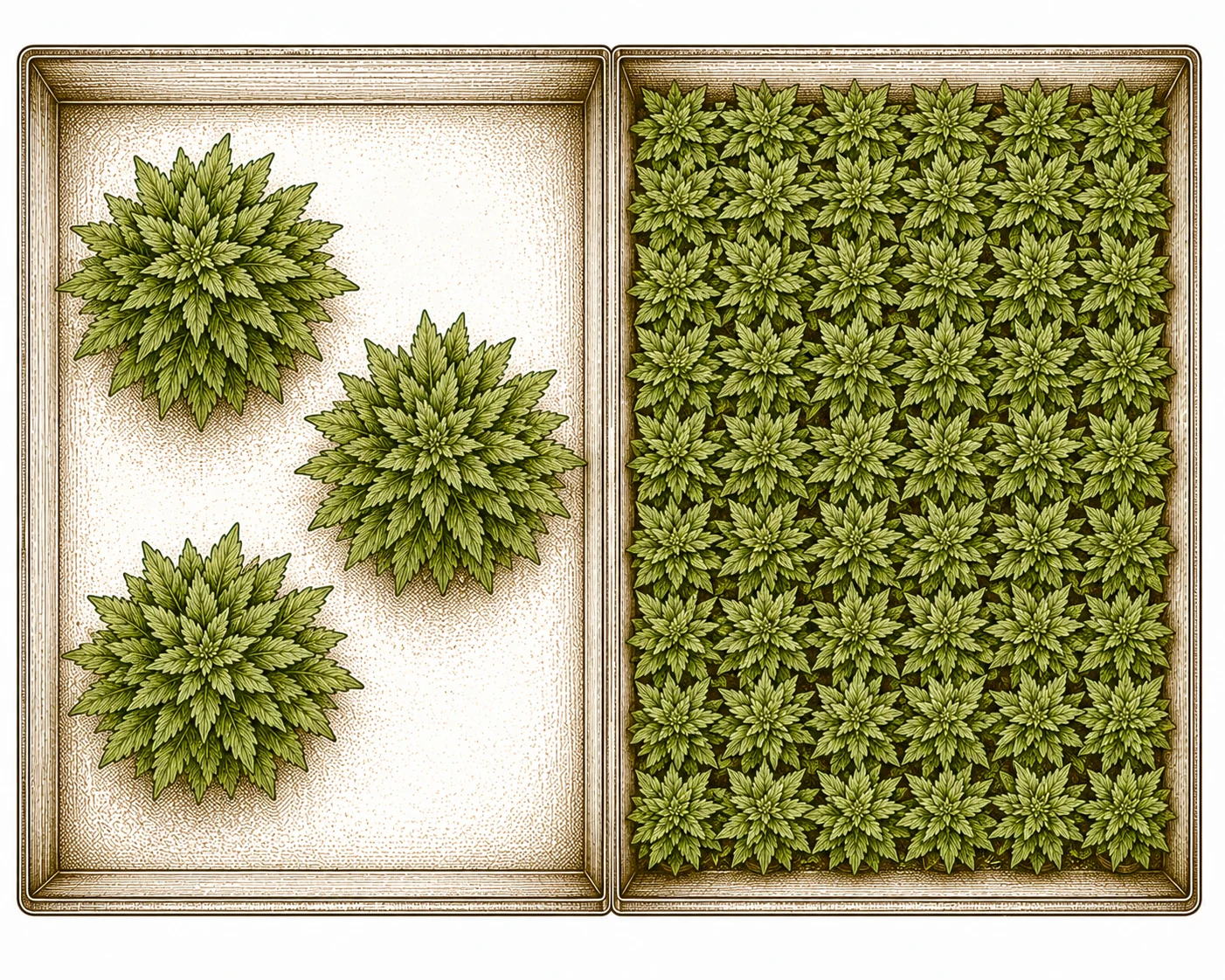
SOG — Sea of Green
Lots of small plants flipped to flower early — short cycles, high turnover.
Read article →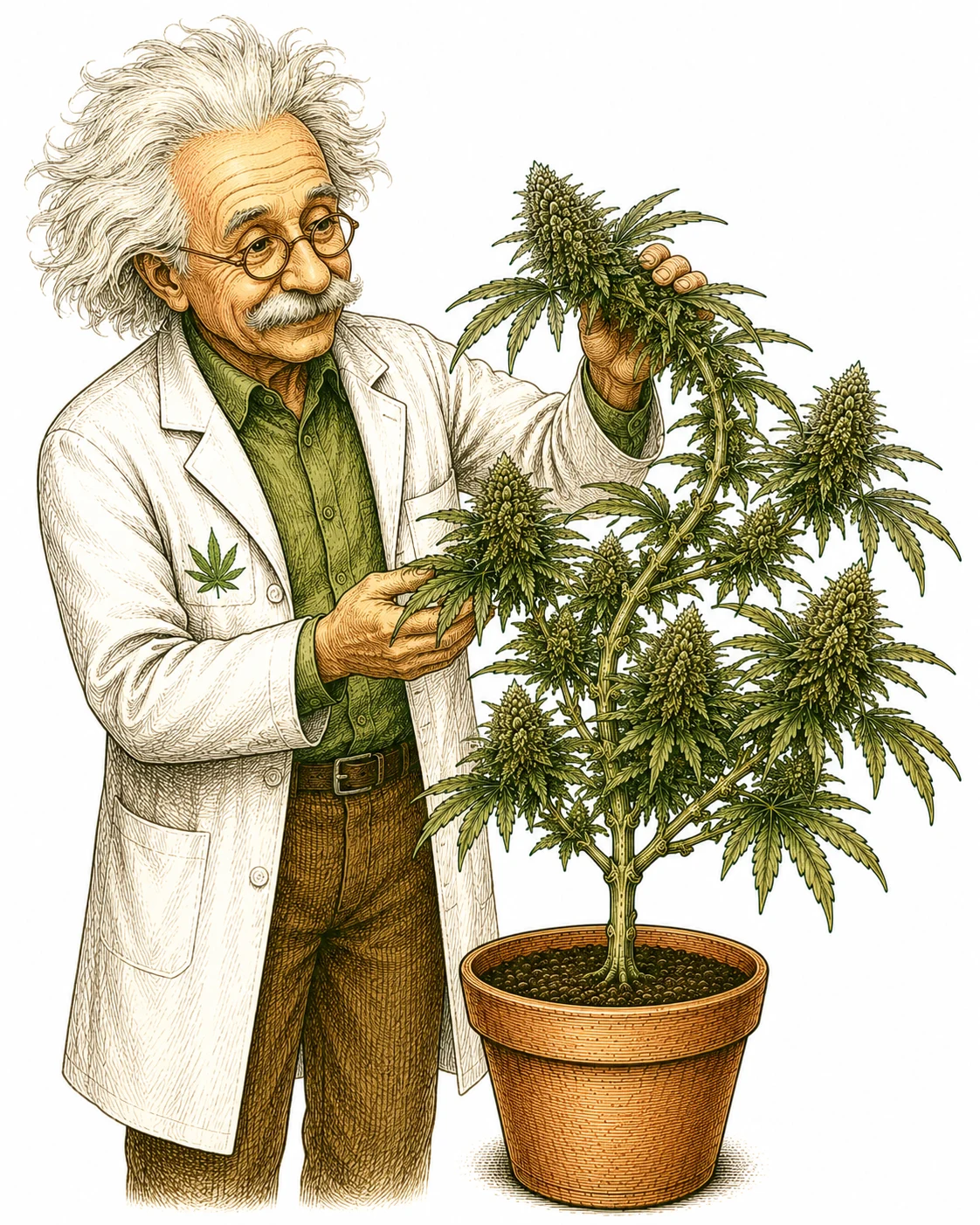
Supercropping (HST)
Pinch and bend stems in a controlled way — the plant responds with stronger growth and more resin.
Read article →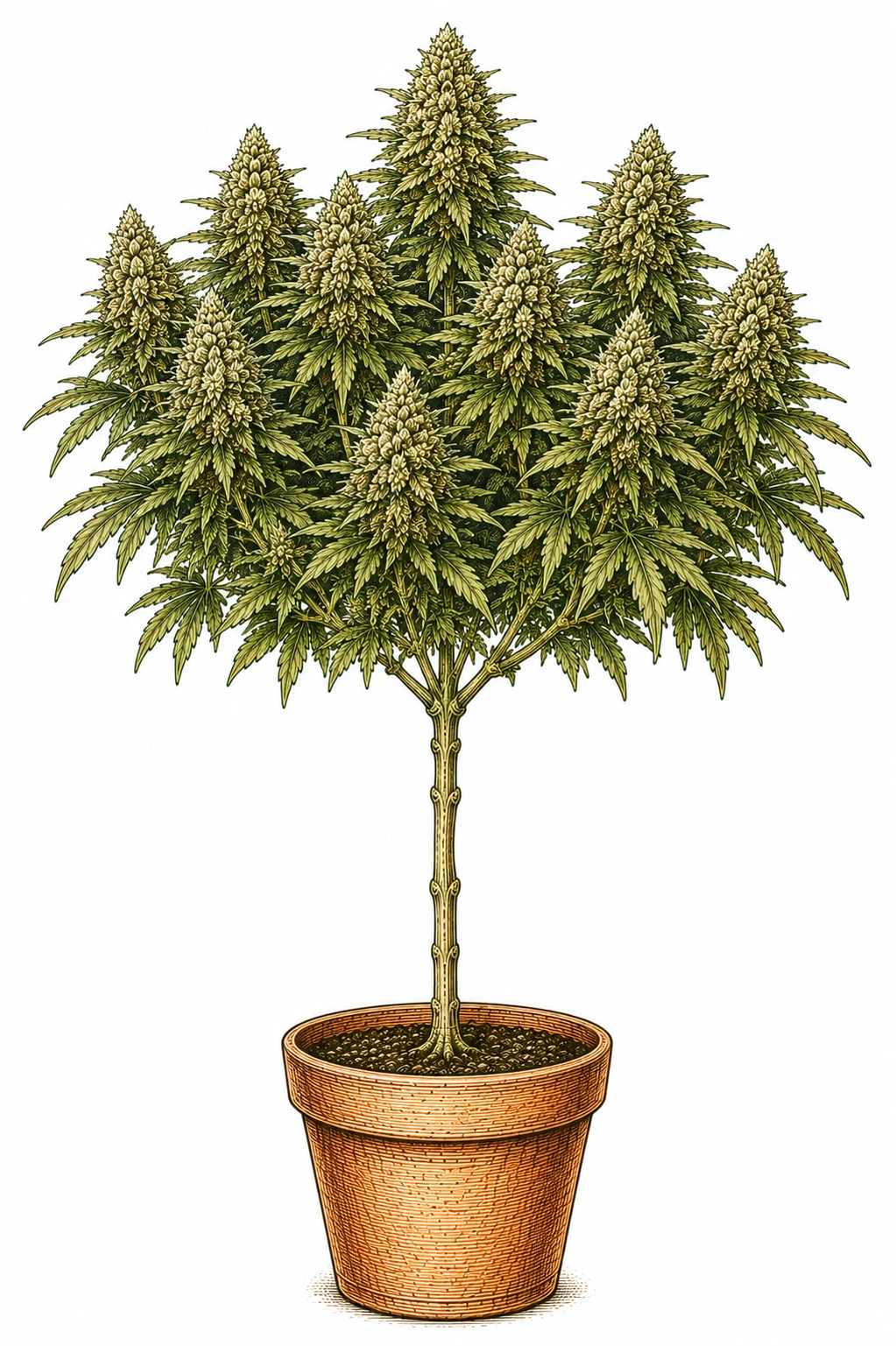
Lollipopping
Remove lower branches and leaves — all the energy goes into the top colas.
Read article →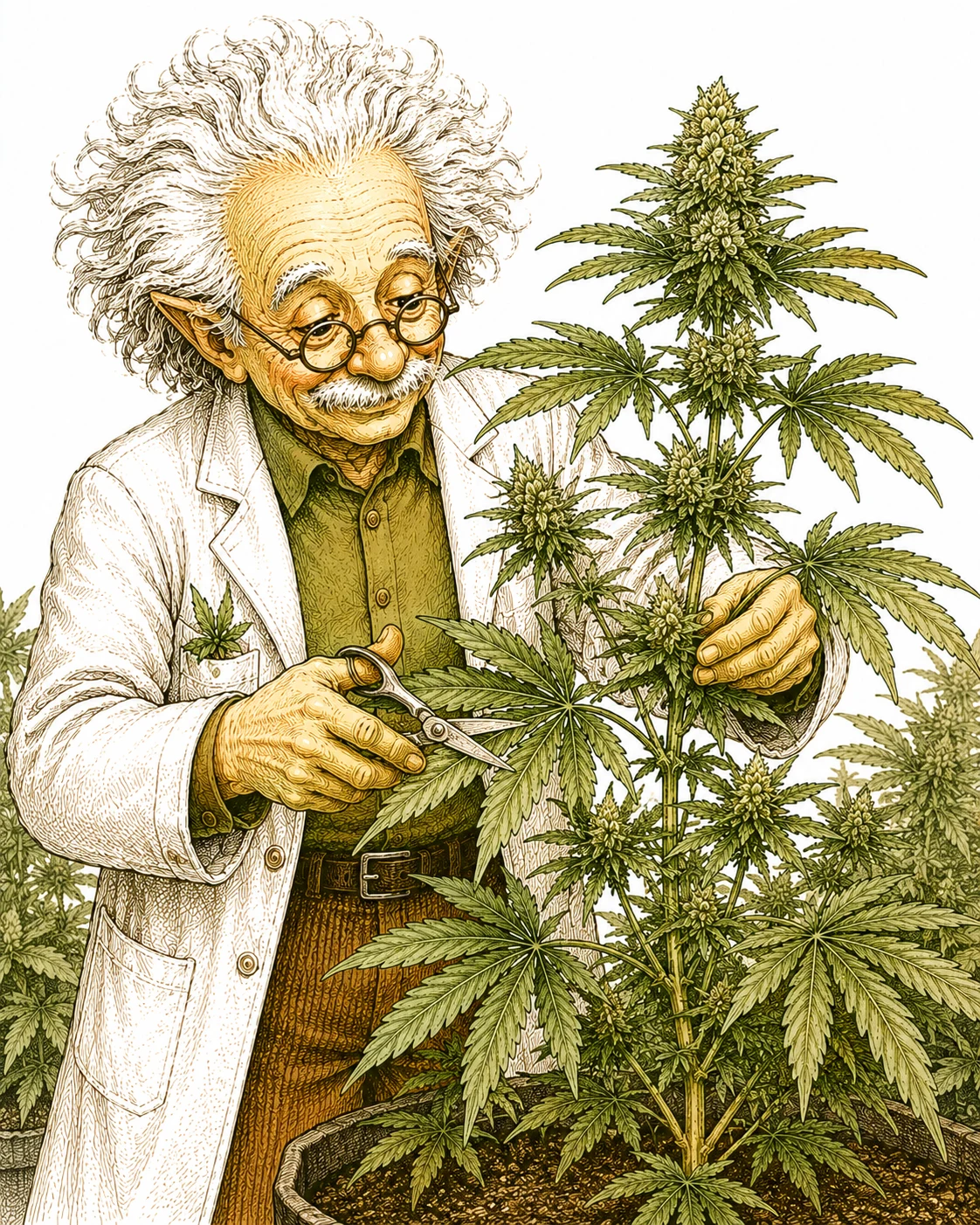
Defoliation
Targeted leaf removal for better airflow and more light on the buds.
Read article →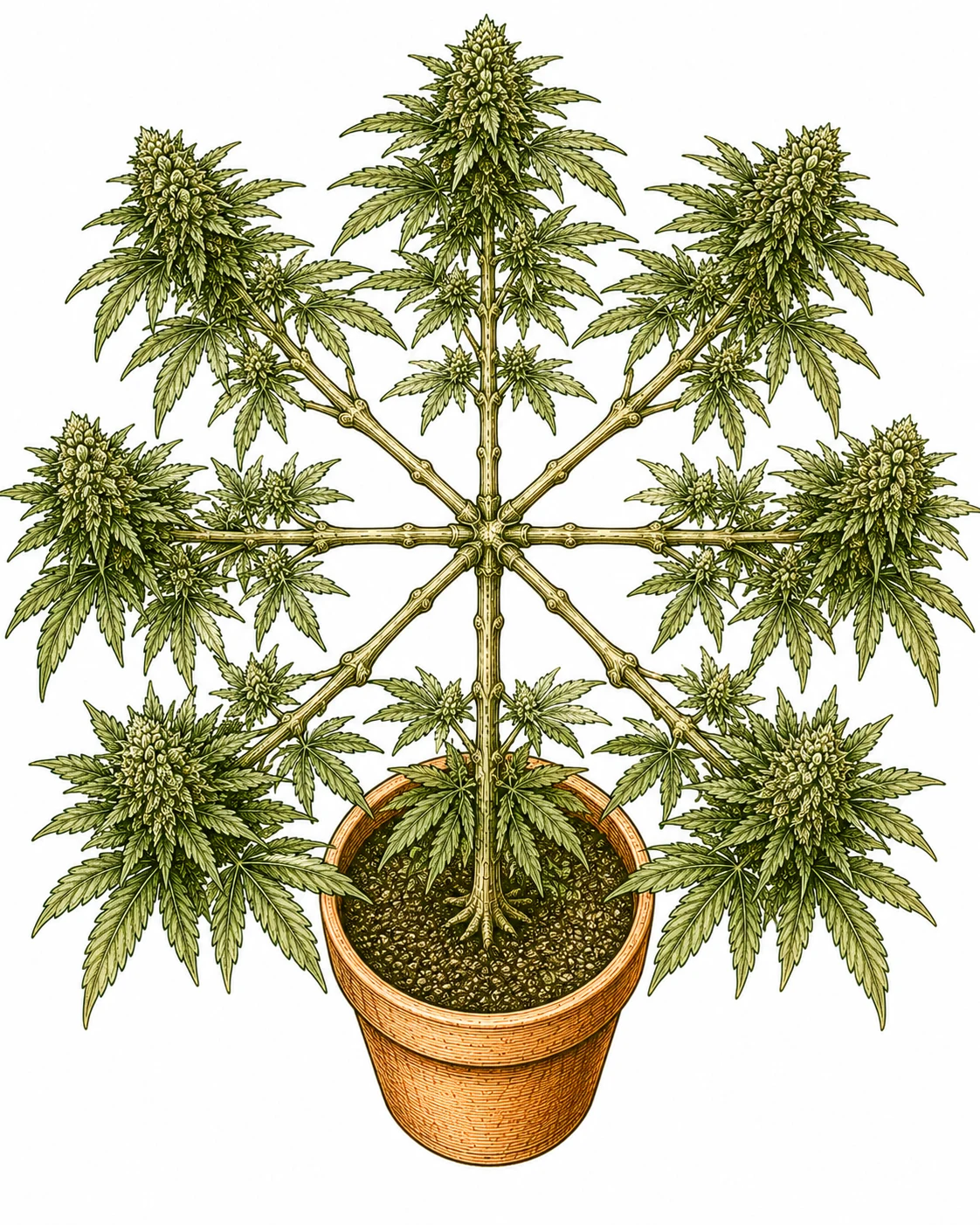
Mainlining / Manifolding
Build a symmetrical structure from the ground up — all colas at the same height.
Read article →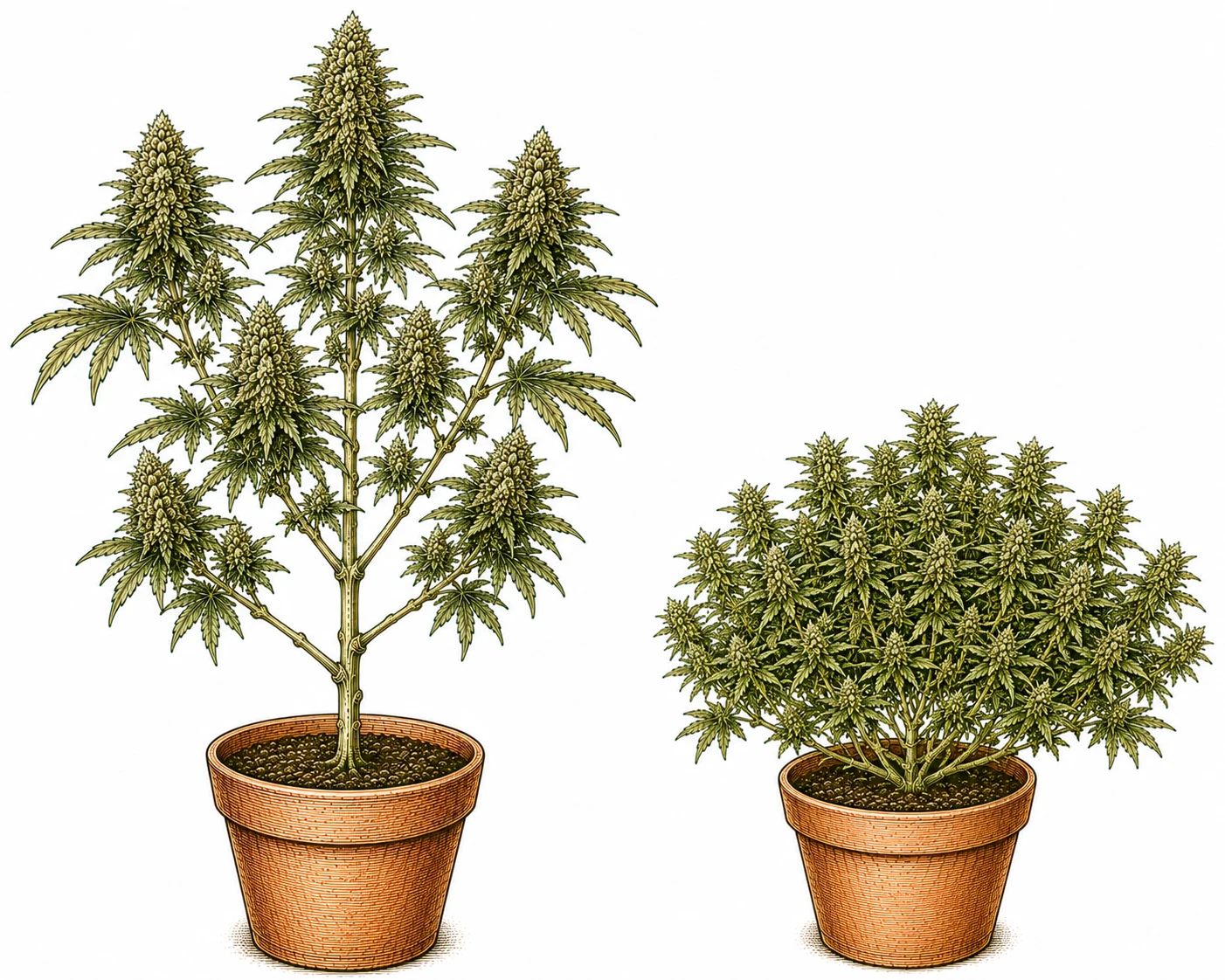
Monster Cropping
Clones taken from flowering plants — reveg creates extremely bushy mother plants.
Read article →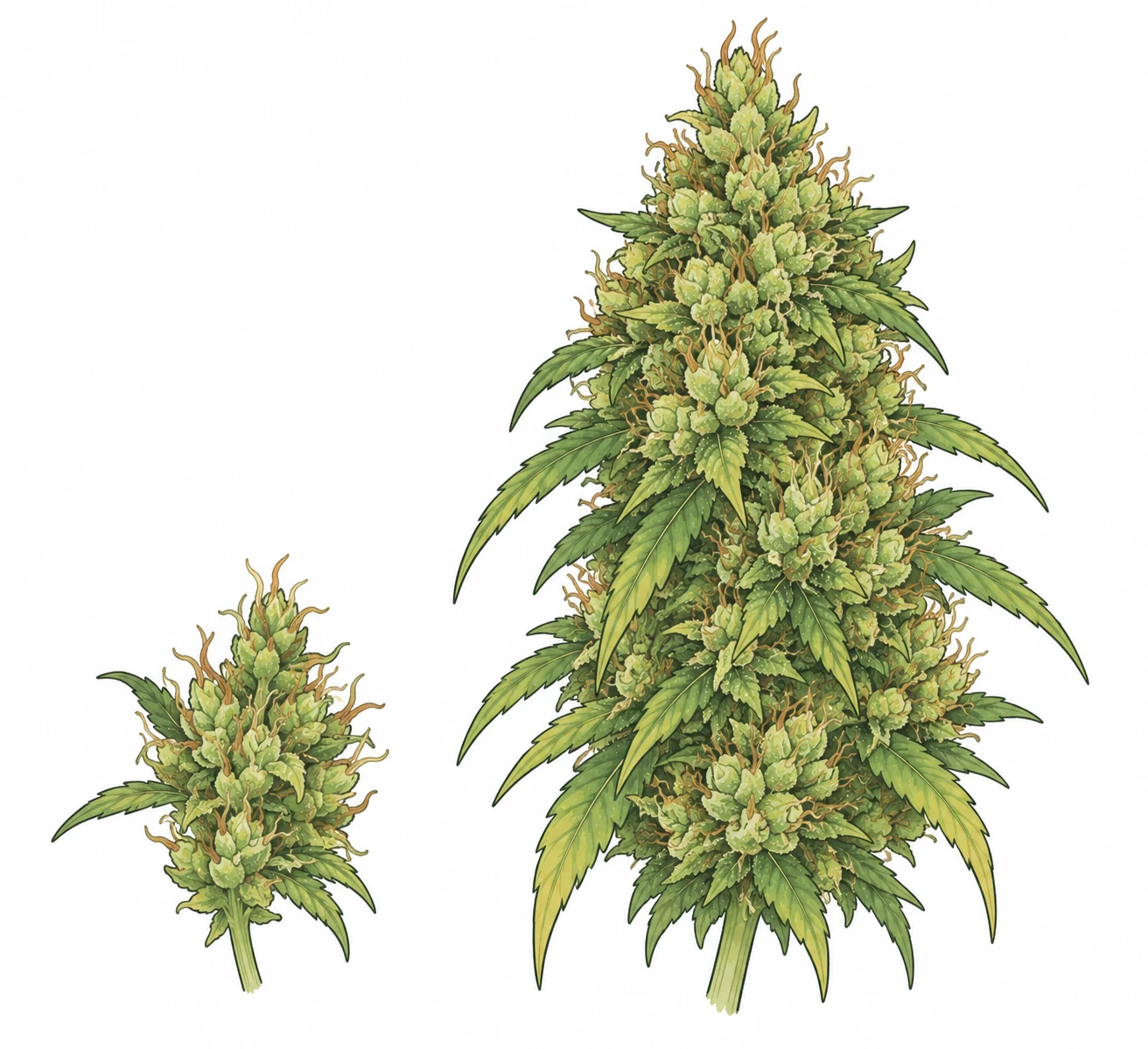
Avoiding popcorn buds
Lack of light inside the canopy is the main cause — how lollipopping and defoliation prevent small, airy buds.
Read article →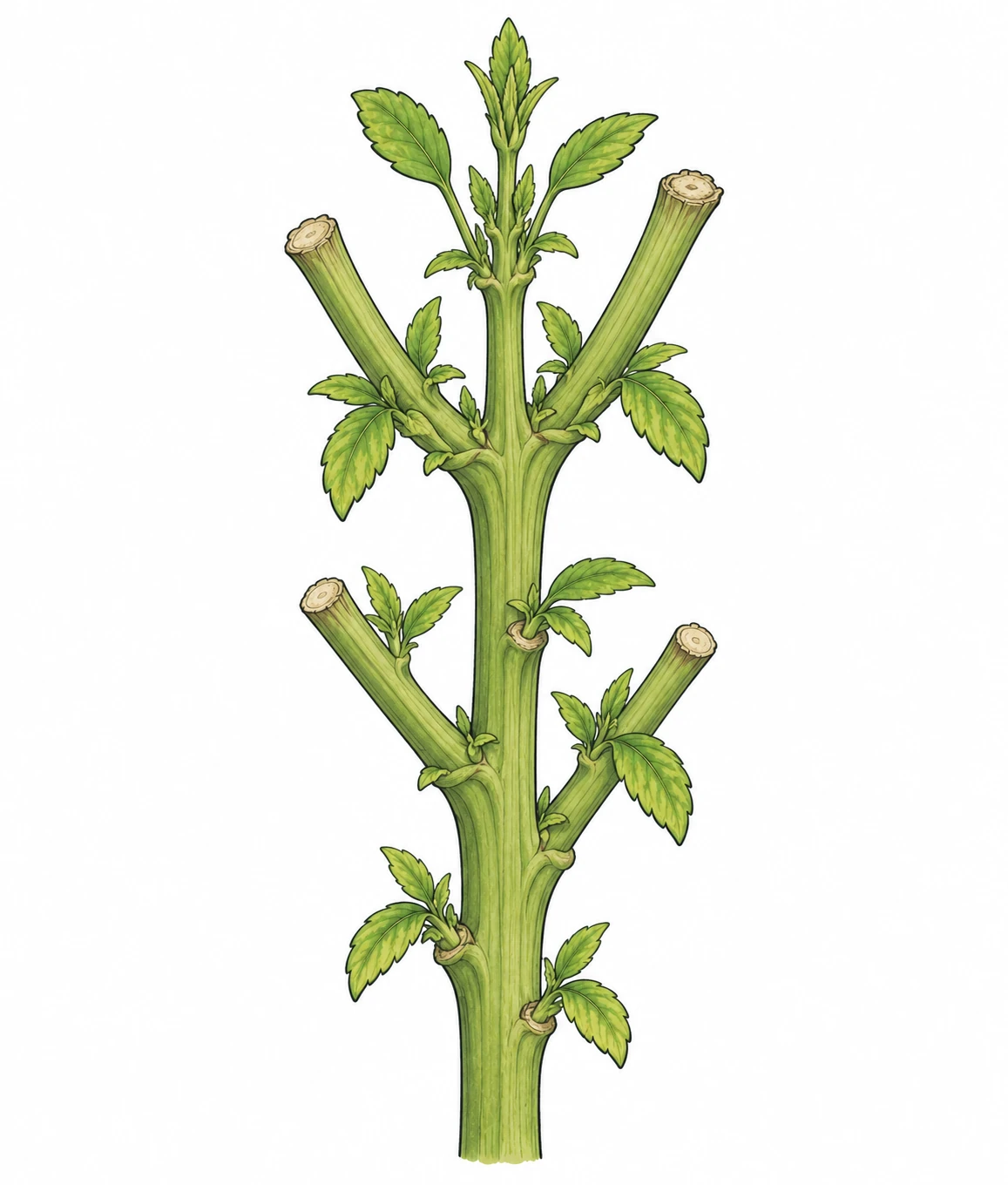
Revegetation (reveg) in 5 steps
Back to the vegetative stage after harvest — how to turn a harvested plant into a new mother plant.
Read article →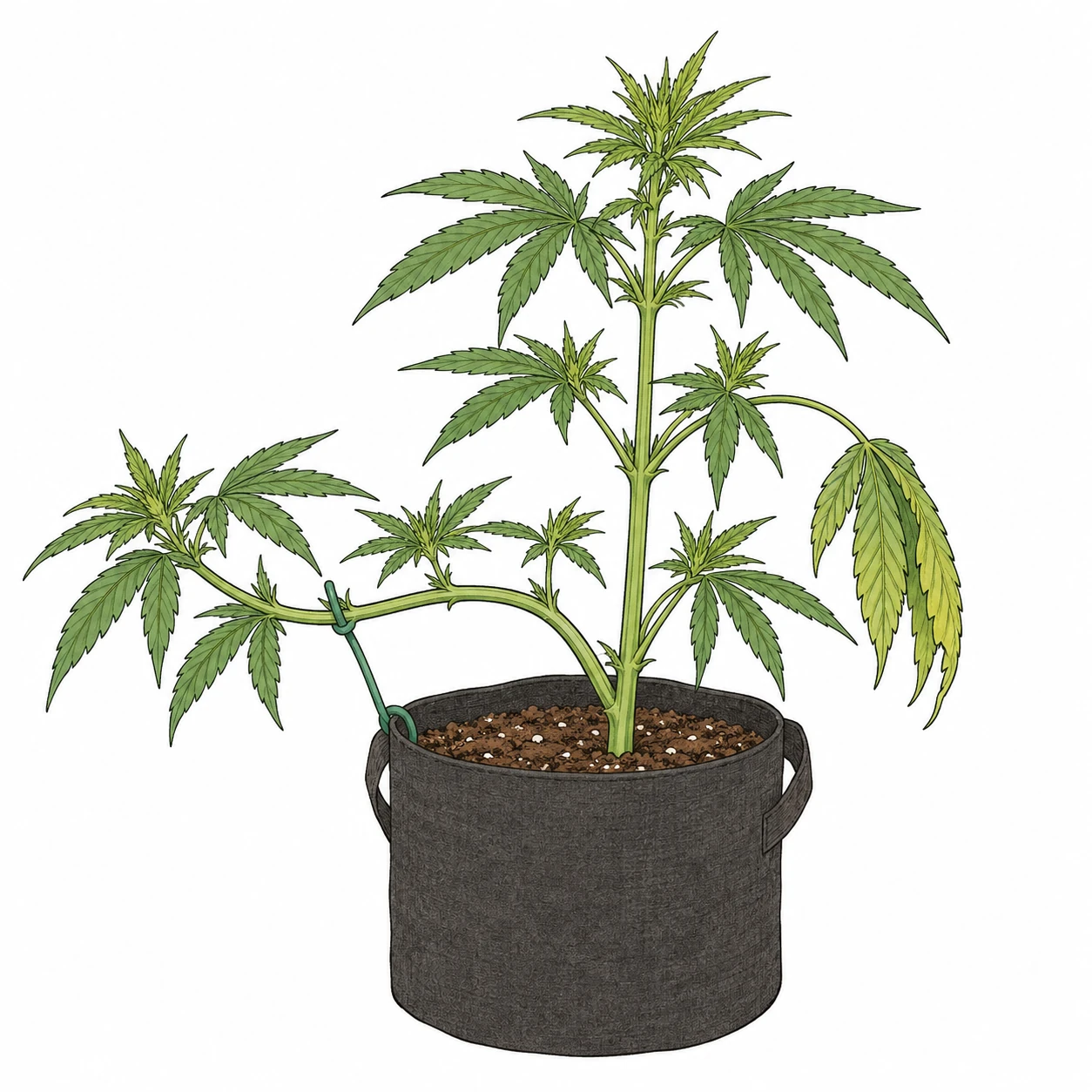
Telling normal training stress from overtraining
Drooping leaves after LST or topping are normal — here’s how to tell when you’ve overdone it.
Read article →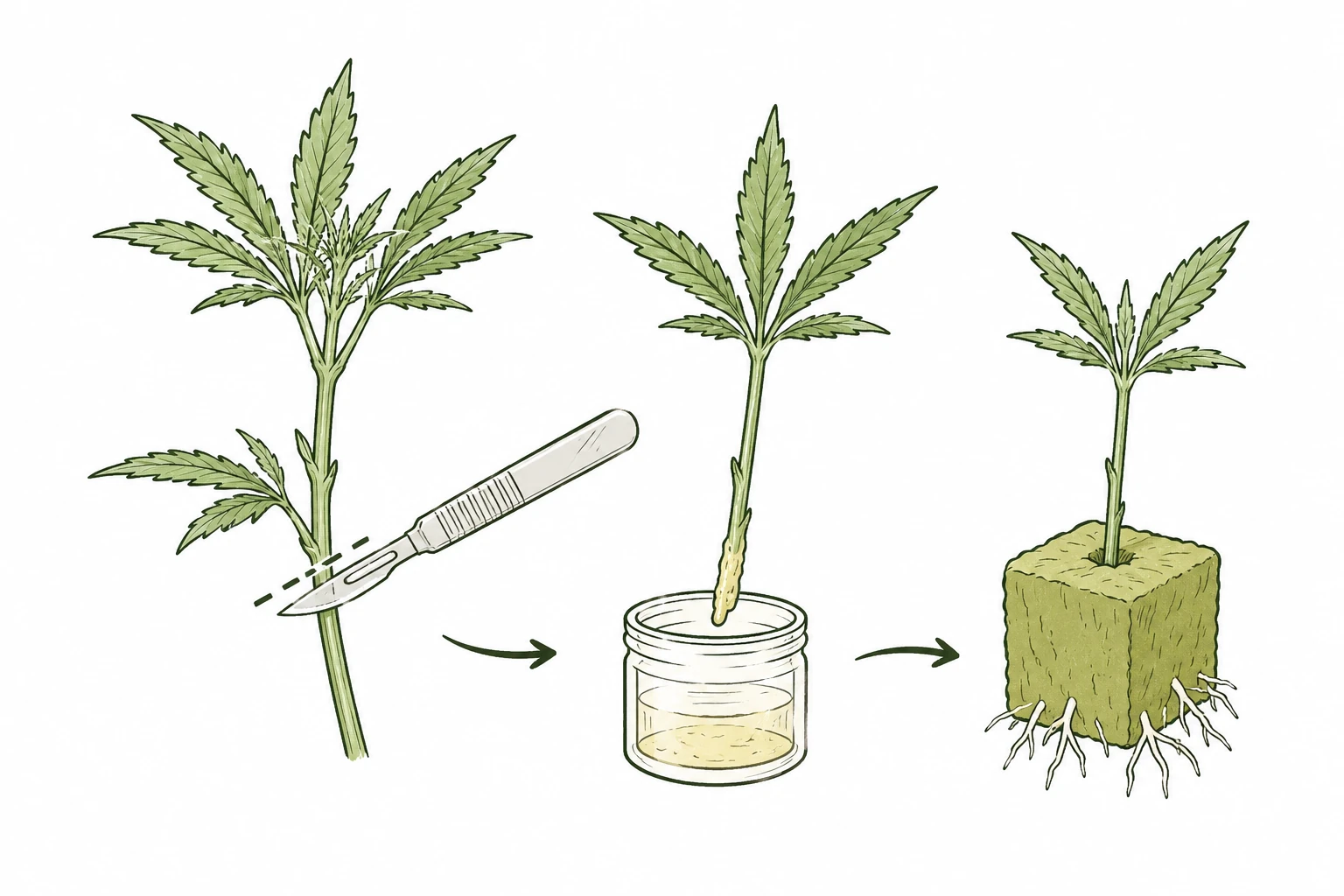
Taking and rooting clones
Grow genetically identical clones from your mother plant — from the right cut to reliable rooting.
Read article →Frequently asked questions about cannabis training techniques
Which training technique is best for beginners?
Low stress training (LST) is the best place to start — shoots are carefully bent and tied down without injuring the plant. The risk is minimal and you can see results within just a few days.
When should I start training my cannabis plant?
Most techniques only work in the vegetative stage, ideally once the plant has developed at least 4–6 nodes. Avoid training shortly before or during flowering, because the plant won’t have time to recover.
What’s the difference between topping and FIMing?
Topping removes the entire main shoot at the tip, which leads to two new, equal main colas. FIMing removes only part of the growing tip, which often leads to four or more new shoots — but it’s less precise and less predictable.
Can I use several training techniques at the same time?
Yes, many growers combine techniques — for example LST for shaping with SCROG for an even canopy. The key is to give the plant enough recovery time between different interventions instead of doing everything at once.
How much more yield does training really bring?
Depending on the technique and how well it’s done, 20–40% more yield is realistic, because more shoots get even light instead of just the single main stem. The exact effect depends heavily on light intensity, tent size and the technique you choose.
Does training harm the plant permanently?
Not if it’s done right. Low stress techniques don’t injure the plant at all, and even after high stress techniques like topping, plants fully recover within a few days to weeks — as long as they get enough time and good conditions to recover afterward.
