
Cannabis Nutrients — Spot Deficiencies & Toxicities
Nitrogen, phosphorus, potassium and more: every nutrient explained, how to reliably spot deficiencies and nutrient burn, and the right nutrients for every stage.
Spotting cannabis deficiencies — the key to healthy plants
Spotting cannabis deficiencies is the biggest hurdle for most home growers — not because the symptoms are rare, but because many nutrient deficiencies look confusingly alike at first glance. Yellow leaves can mean nitrogen deficiency, but they can just as easily come from the wrong pH or plain overwatering — if the yellowing shows up specifically during flowering, check out our guide to yellow leaves in the flowering stage. If you start feeding blindly, you often just make the real problem worse. This hub brings together every nutrient deficiency and toxicity in cannabis in one place — a system instead of guesswork.
Cannabis needs three groups of nutrients: macronutrients (nitrogen, phosphorus, potassium) in large amounts, secondary nutrients (calcium, magnesium, sulfur) in moderate amounts and micronutrients (iron, manganese, zinc and others) only in trace amounts. If one of them is missing or present in excess, the plant shows it through discoloration, deformed growth or burnt leaf edges.
The most reliable way to identify a deficiency isn’t the symptom alone, but where it appears on the plant. When mobile nutrients such as nitrogen, phosphorus and magnesium run short, the plant moves them from old leaves to new ones — so the symptoms show up at the bottom first. Immobile nutrients such as iron, calcium and sulfur, on the other hand, stay put: here, deficiencies show up first on the youngest, topmost leaves. This rule of thumb alone rules out half of all candidates before you even get into the details.
It’s just as important to tell a deficiency from a toxicity — ironically, both can cause similar symptoms but call for opposite fixes. Burnt leaf tips that claw downward almost always point to nutrient burn, while pale, evenly bleached leaves are more likely a true deficiency. Further down you’ll find both categories neatly separated: one tab for deficiencies, one for toxicities.
Before you add more nutrients, it almost always pays to check the pH of your growing medium first: roughly 90% of all supposed nutrient deficiencies are really pH lockout, where the roots simply can’t take up nutrients even though there’s enough available. Use our free Plant Diagnosis Tool to narrow down your specific symptom in just a few questions, or take a look at our complete deficiency overview with a quick diagnosis table covering all 11 deficiencies at a glance.

“90% of all nutrient deficiencies don’t happen because nutrients are missing — they happen because the pH is off. Always check the pH first before you feed more.”
Nutrient guides: deficiencies & toxicities
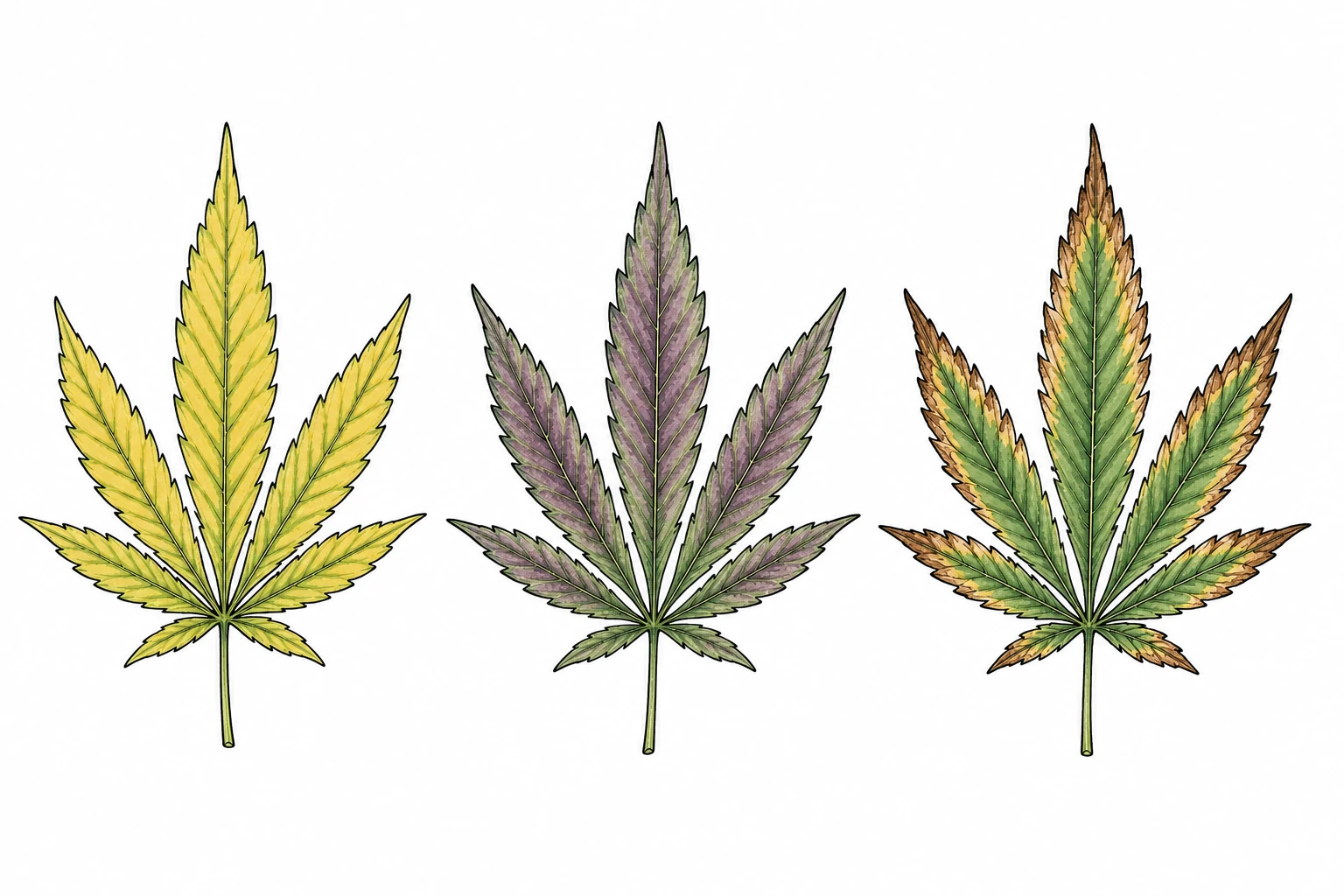
Cannabis Nutrient Deficiencies — Overview of Every Deficiency
Every deficiency at a glance: symptoms, causes and first steps for each nutrient.
Read article →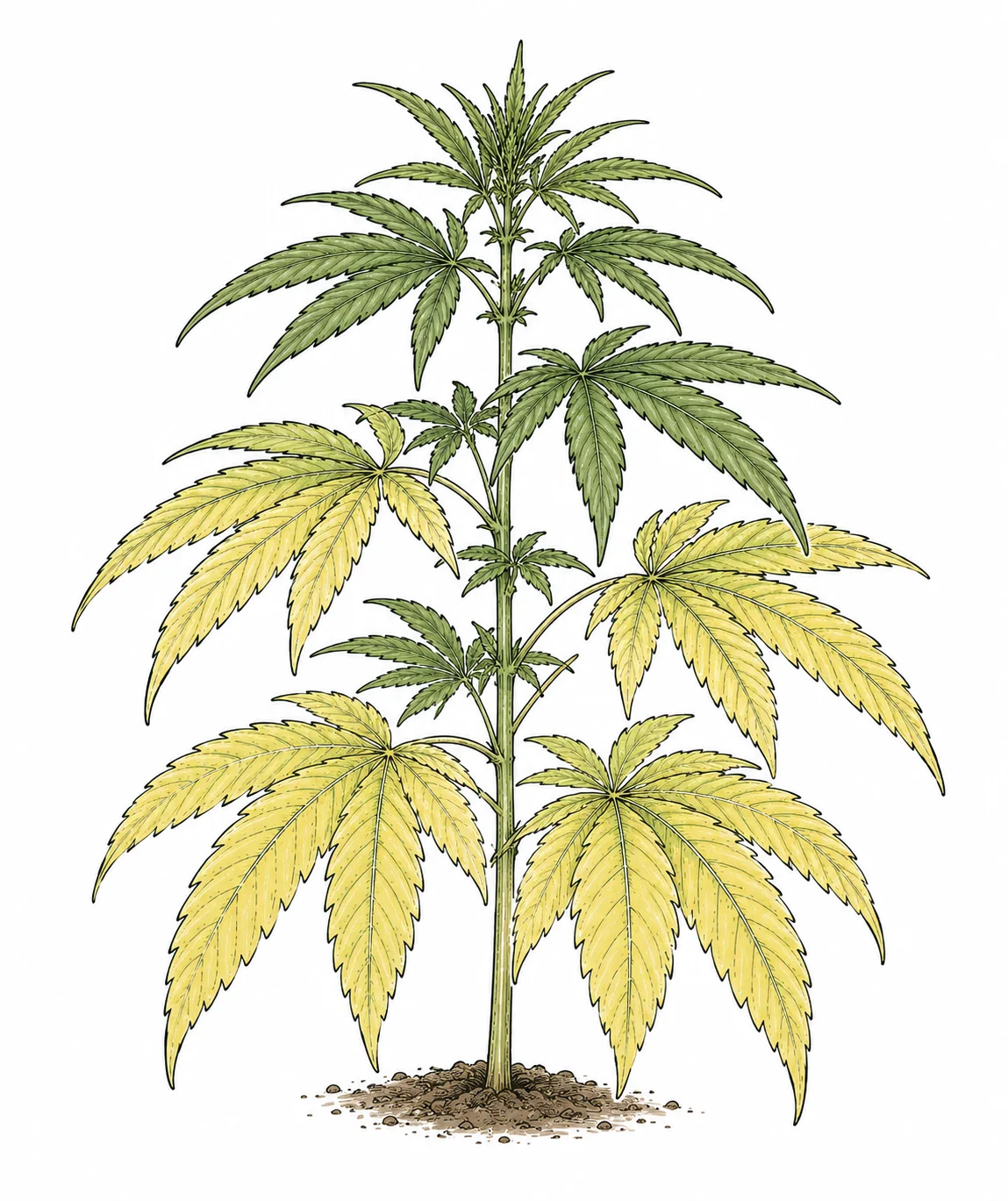
How to Spot Nitrogen Deficiency in Cannabis
Yellow leaves from the bottom up, weak growth — how to spot and fix a nitrogen (N) deficiency fast.
Read article →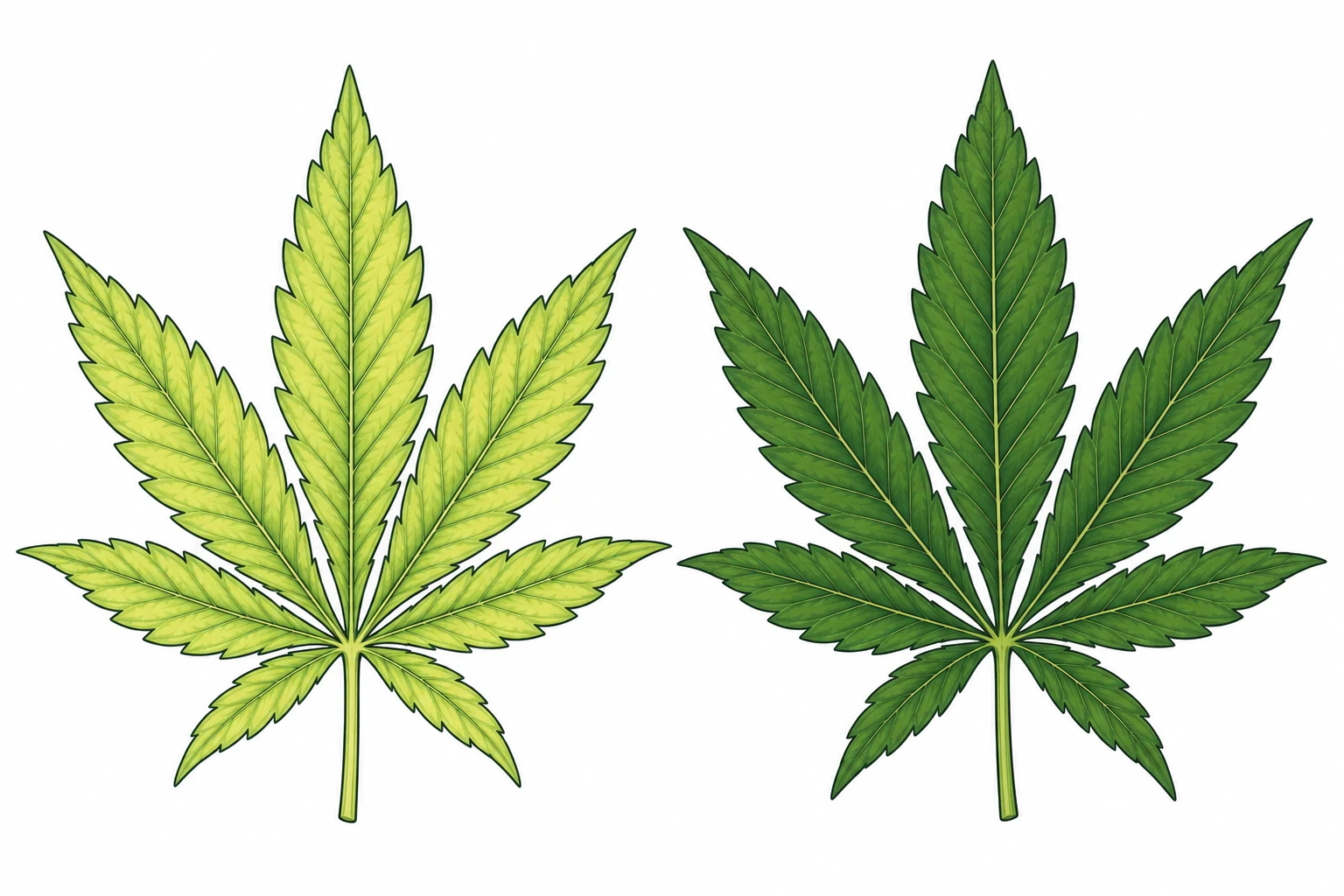
Light Green Cannabis Leaves
Nitrogen, magnesium, iron or pH? The 5 most common causes and how to narrow them down step by step.
Read article →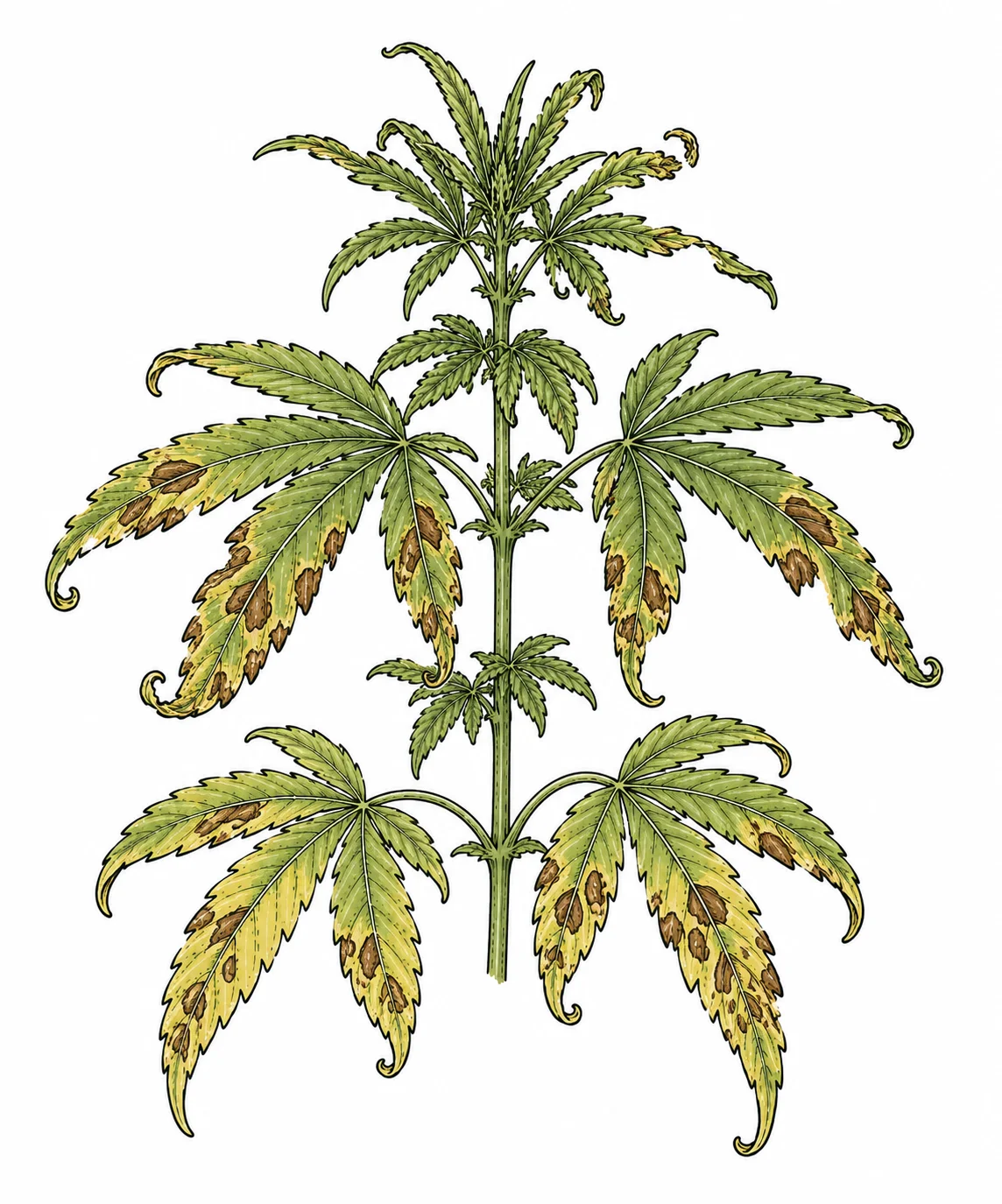
How to Spot Calcium Deficiency in Cannabis
Brown spots, weak shoots — calcium is essential for cell structure.
Read article →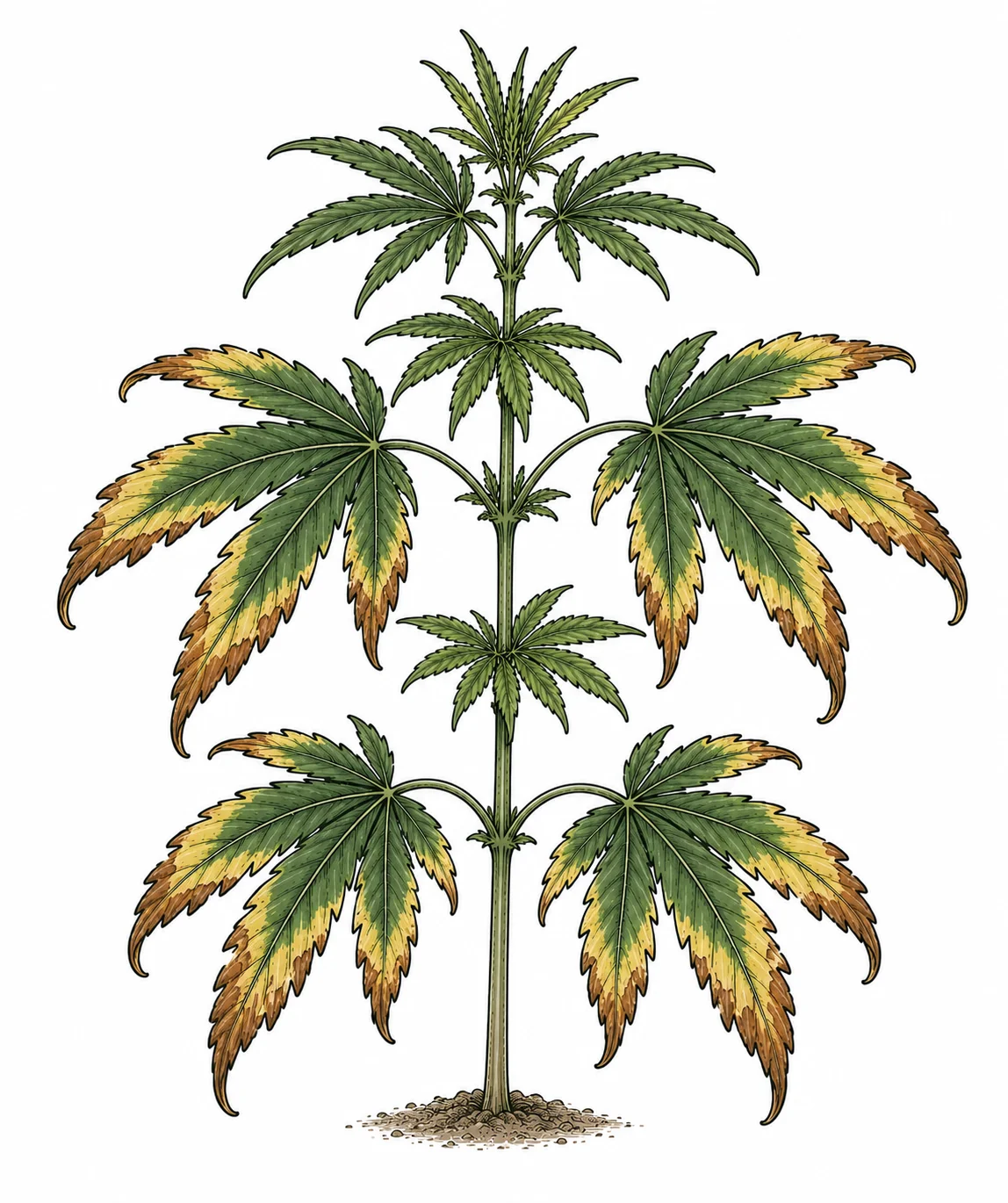
How to Spot Potassium Deficiency in Cannabis
Brown leaf edges, purple stems — potassium controls water balance and bud development.
Read article →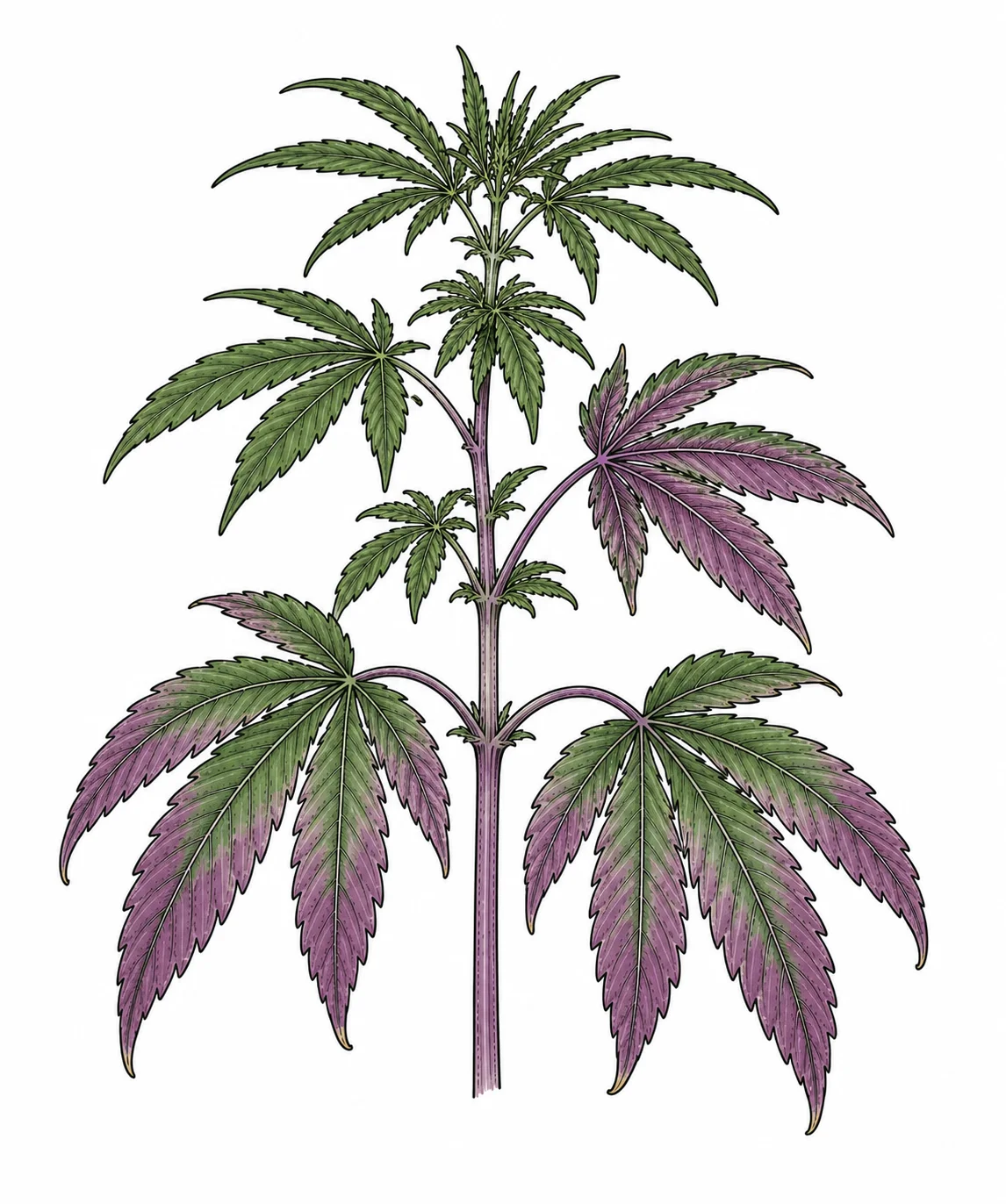
How to Spot Phosphorus Deficiency in Cannabis
Purple discoloration, poor bud development — phosphorus (P) deficiency often appears during the flowering stage.
Read article →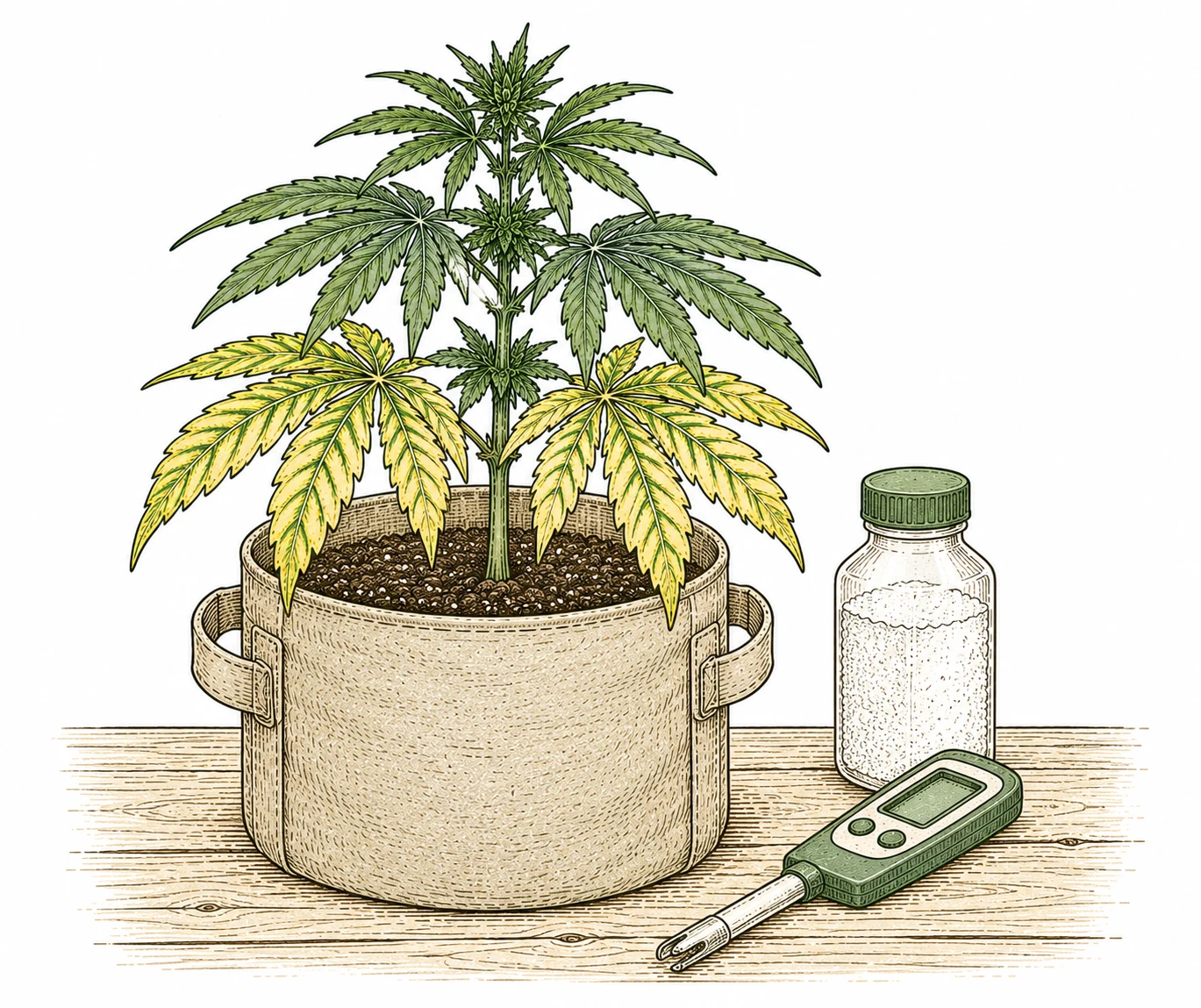
How to Spot Magnesium Deficiency in Cannabis
Yellow leaves with green veins — a classic magnesium (Mg) deficiency, common with cold water.
Read article →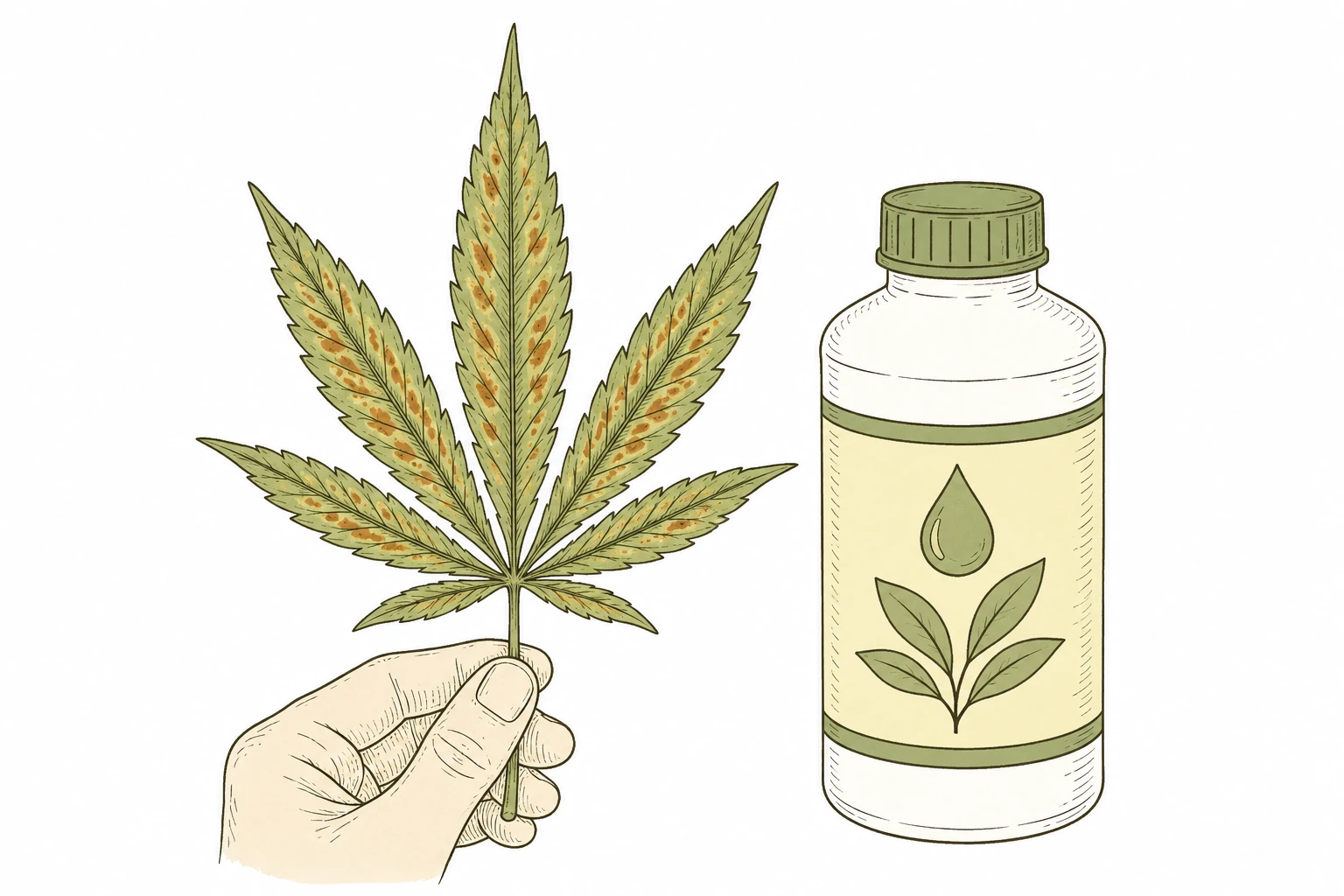
How to Spot a Cal-Mag Deficiency
Calcium and magnesium often run short together — typical symptoms, causes and how to reliably fix the deficiency.
Read article →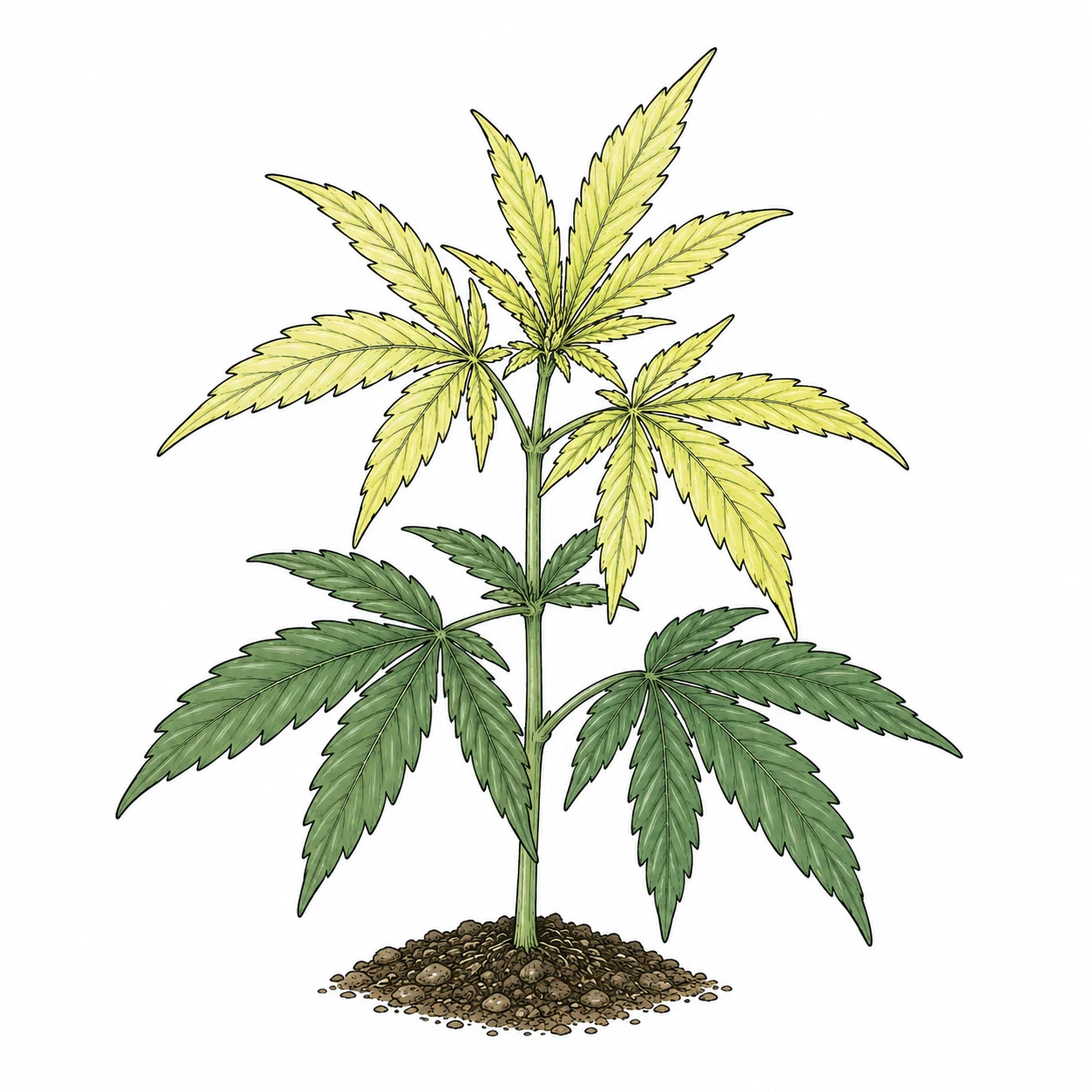
How to Spot Sulfur Deficiency in Cannabis
Young leaves turn evenly pale yellow — sulfur is immobile, so the deficiency shows up at the top first.
Read article →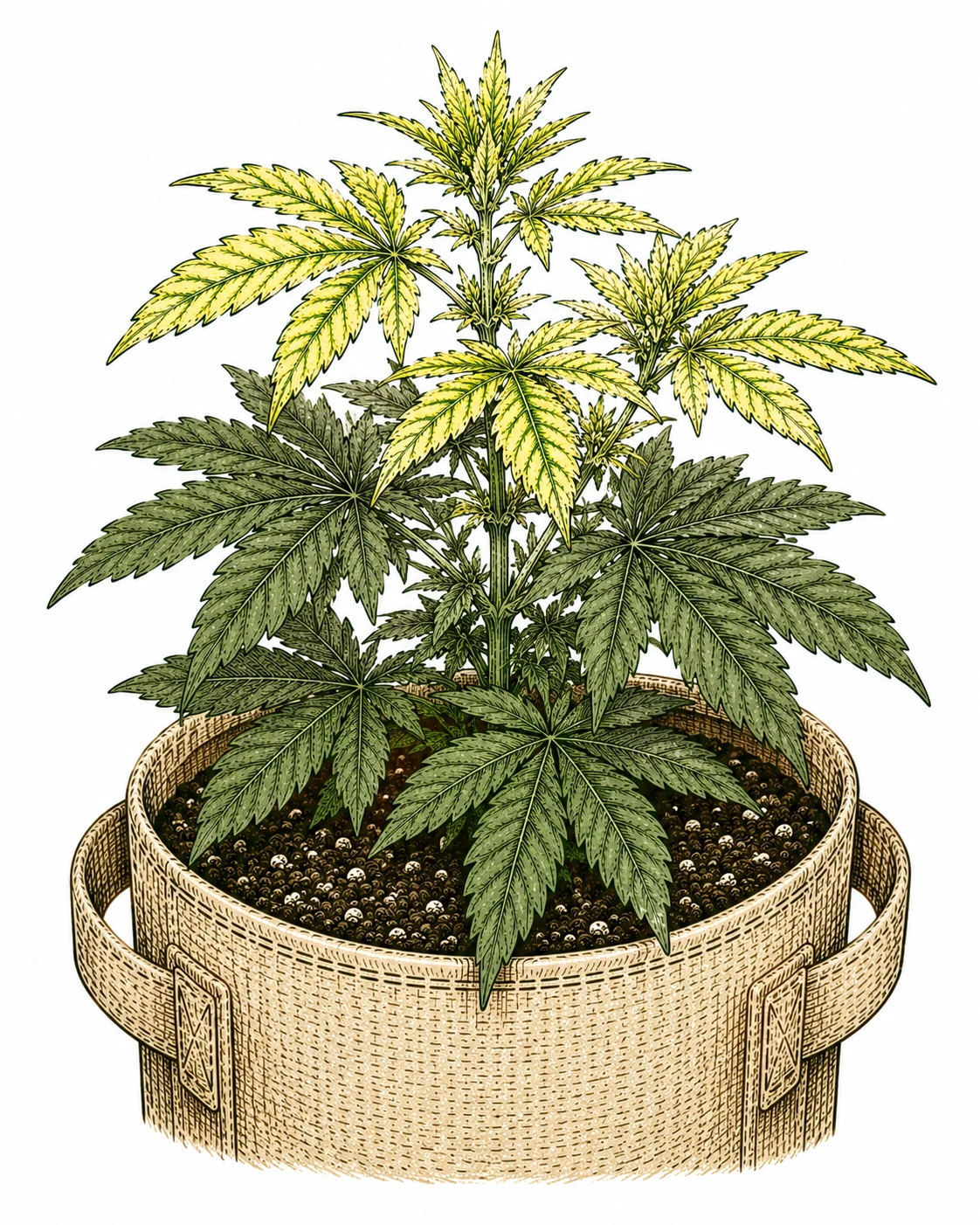
How to Spot Iron Deficiency in Cannabis
Pale new leaves despite feeding — almost always a pH problem, not a true iron deficiency.
Read article →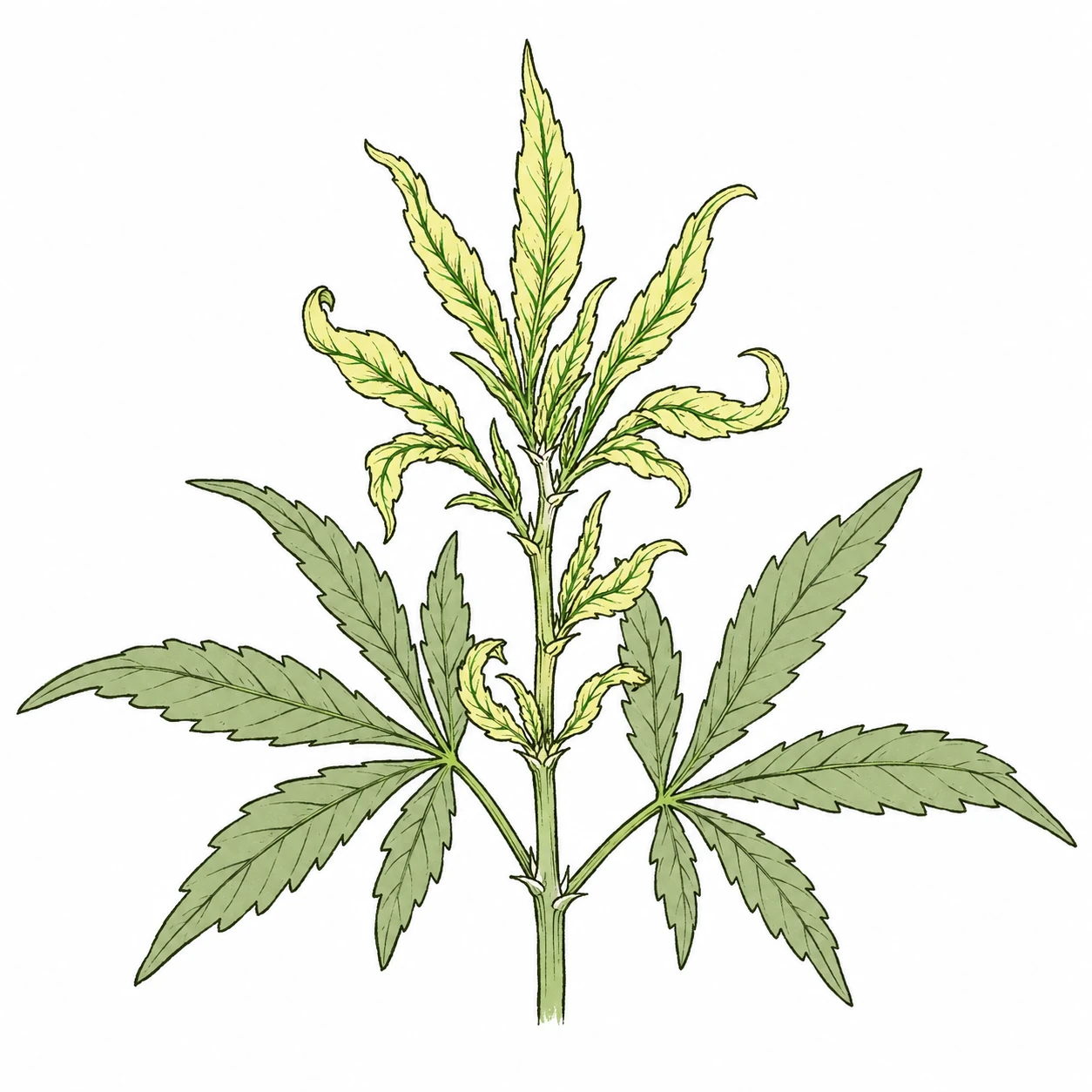
How to Spot Zinc Deficiency in Cannabis
Small, twisted leaves with green veins — usually pH-related, rarely a true nutrient deficiency.
Read article →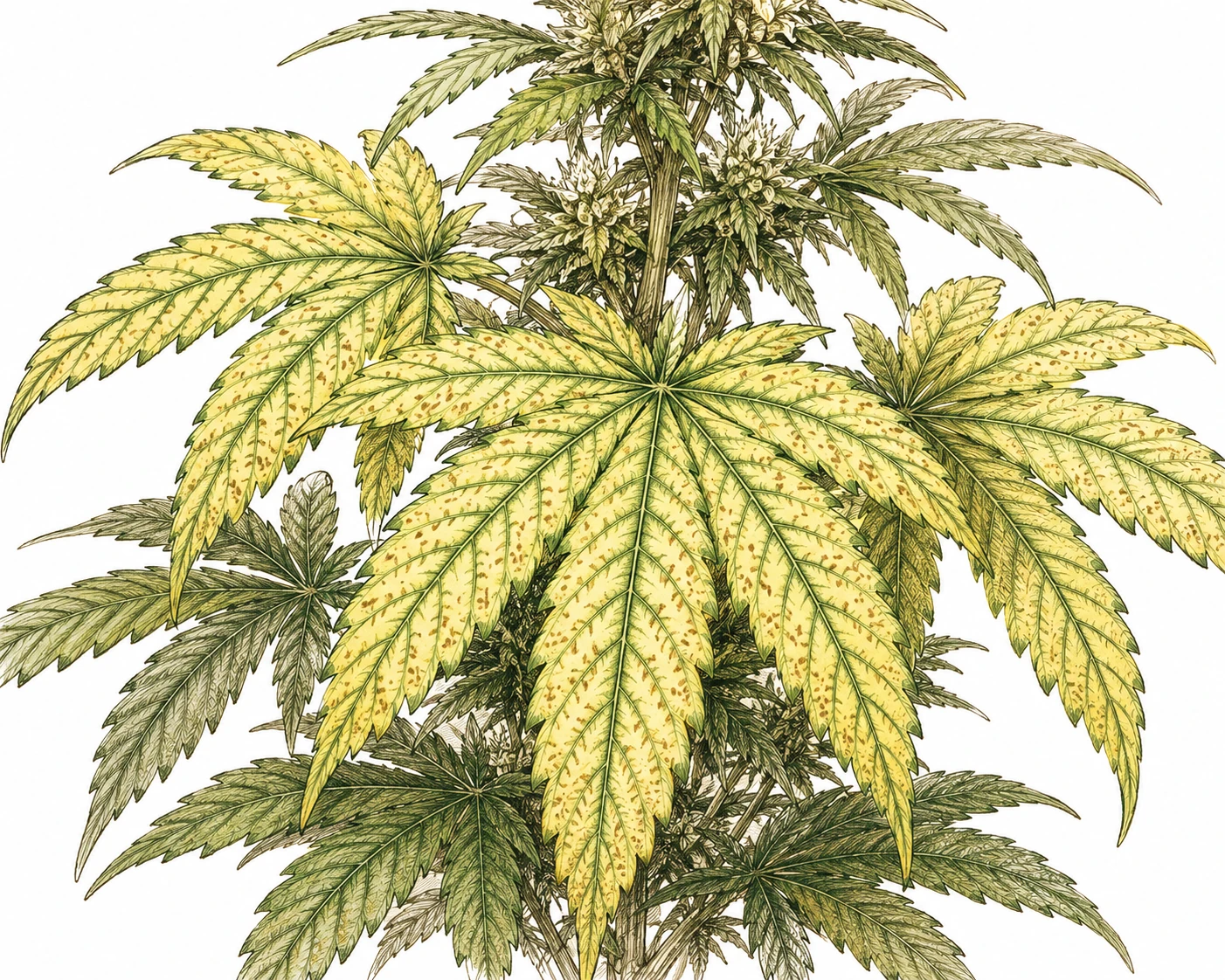
How to Spot Manganese Deficiency in Cannabis
Yellow areas between clearly green leaf veins — easy to confuse with iron deficiency.
Read article →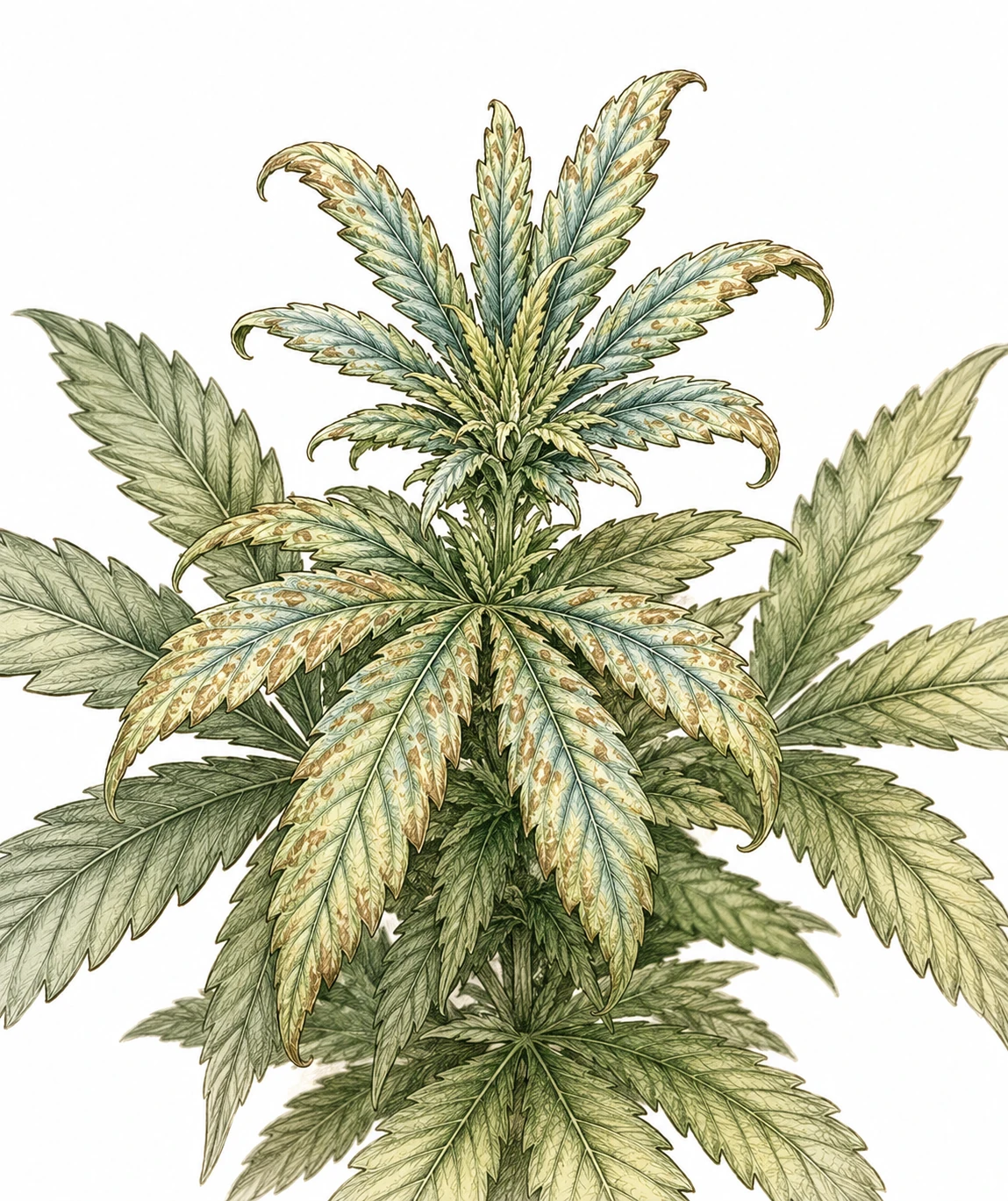
How to Spot Copper Deficiency in Cannabis
Blue-green, bronze-tinted leaves with edges curling downward — usually pH-related.
Read article →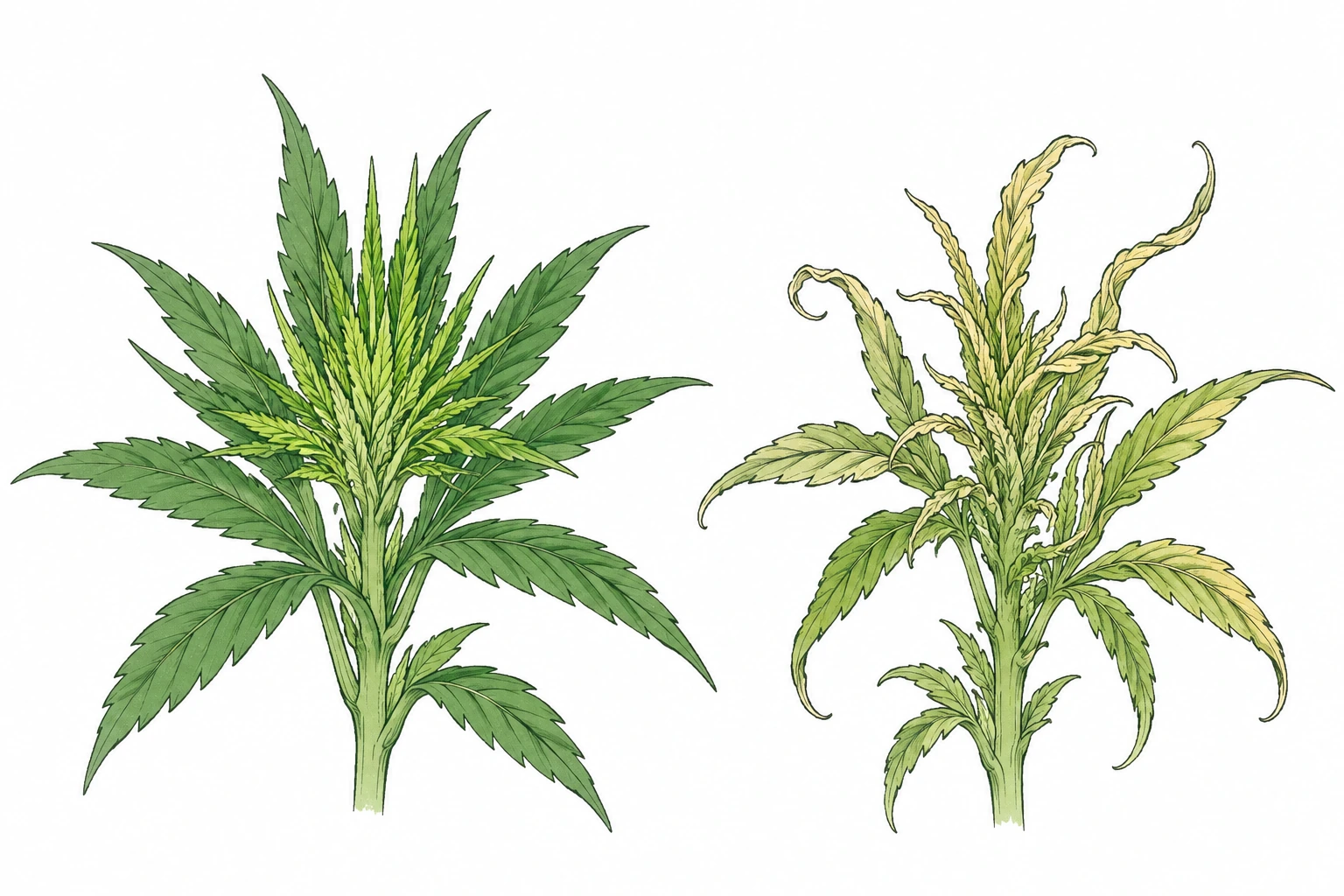
How to Spot Boron Deficiency in Cannabis
Small, deformed young leaves and dying shoot tips — boron can’t be moved from old to new growth.
Read article →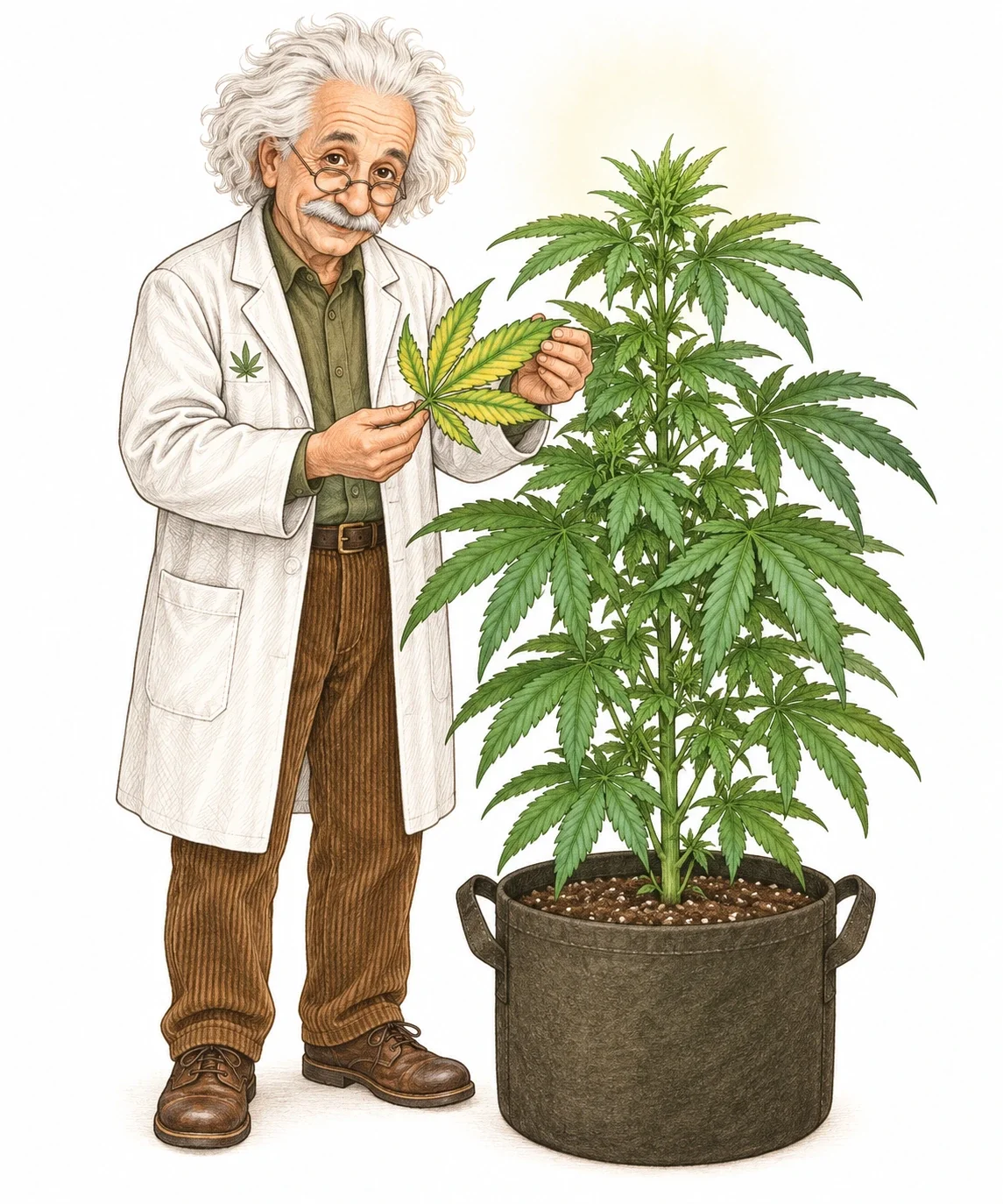
How to Spot Molybdenum Deficiency in Cannabis
Yellow-orange mottled leaves even though your pH is right? Learn the 5 typical signs of molybdenum deficiency and fix it in a targeted way.
Read article →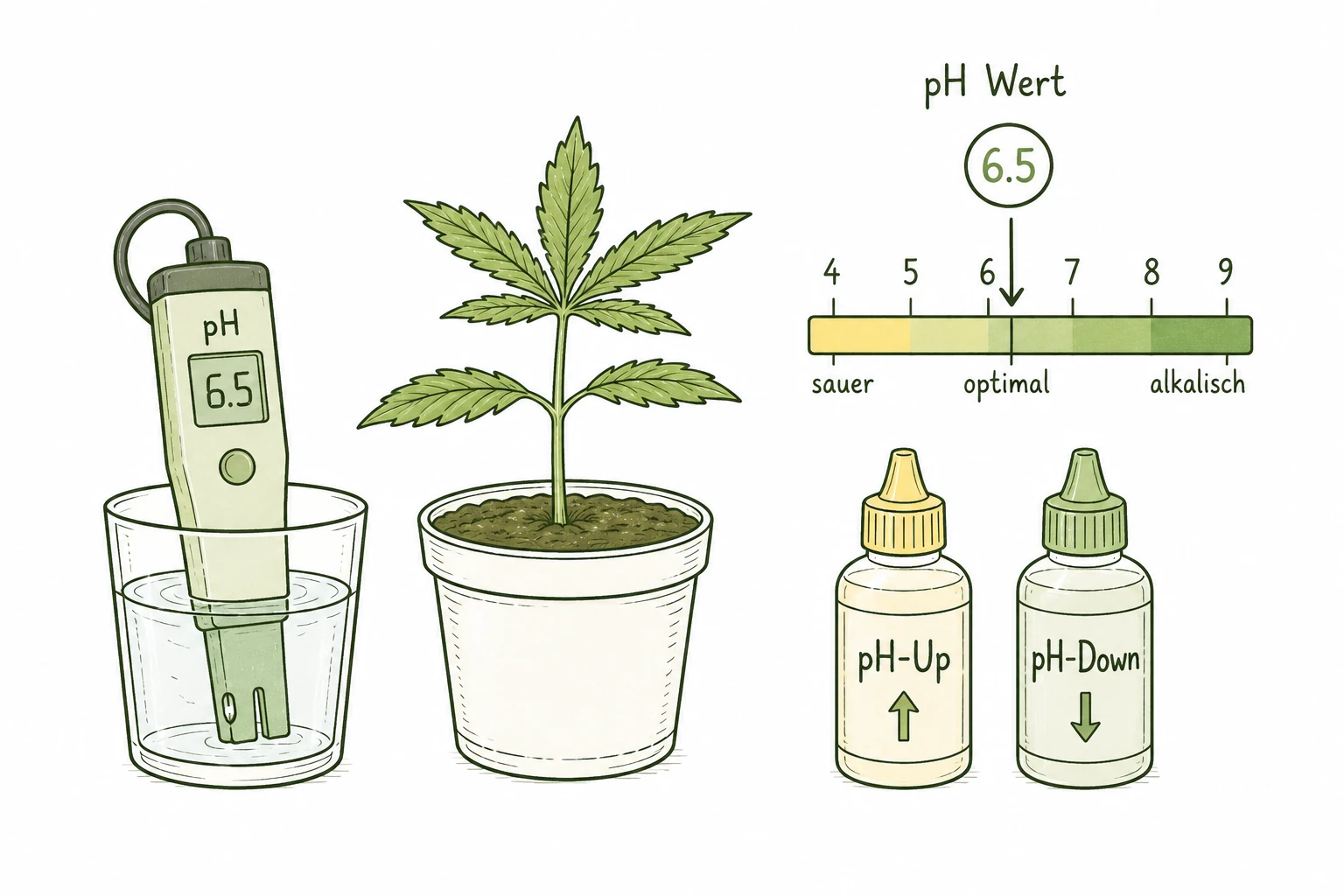
How to Adjust pH for Cannabis
The most important factor in nutrient uptake — the wrong pH locks out nutrients even when there’s plenty available.
Read article →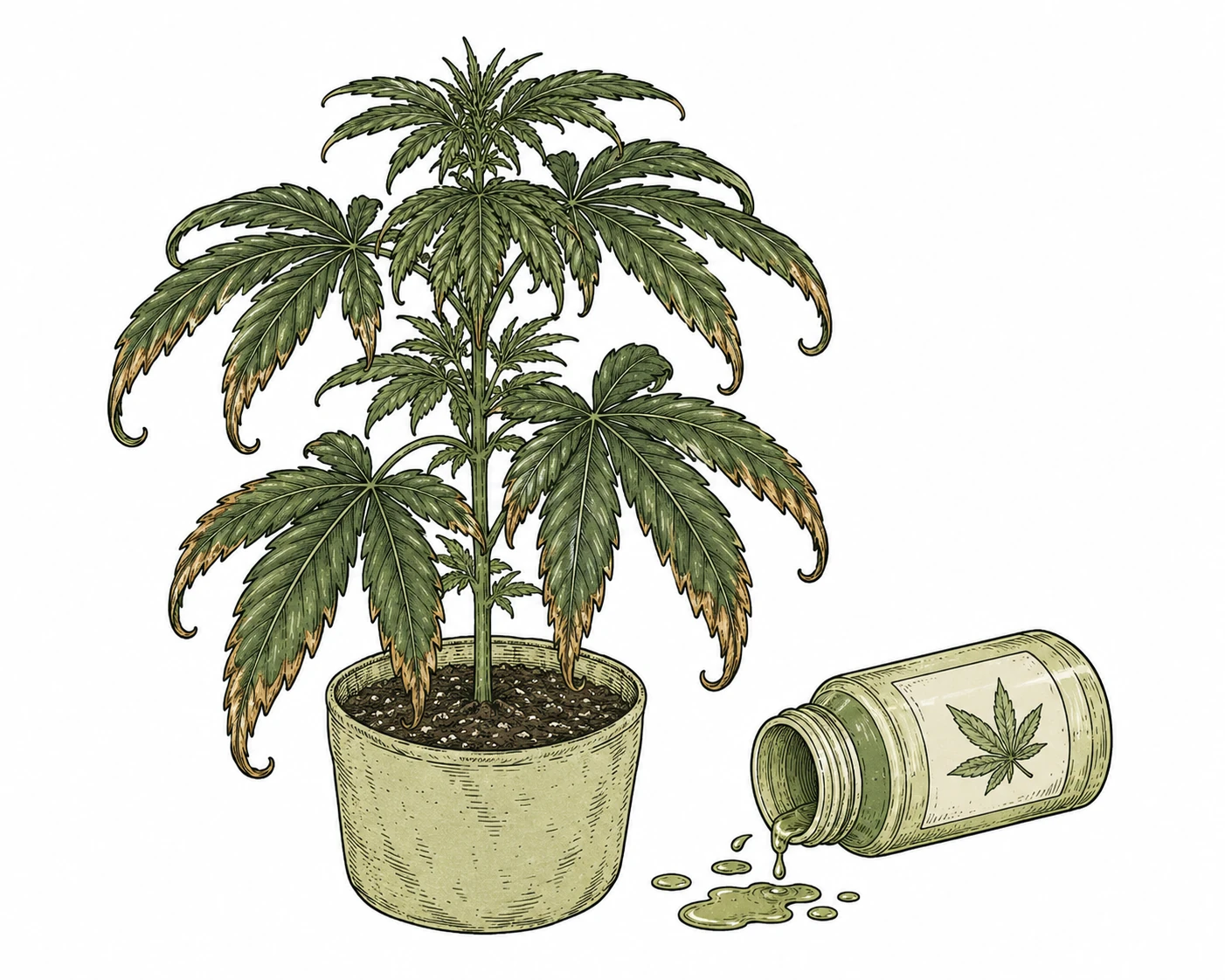 Common
Cannabis Nutrient Burn — Overview
Burnt tips, leaves that are too dark — when it comes to feeding, less is often more.
Read article →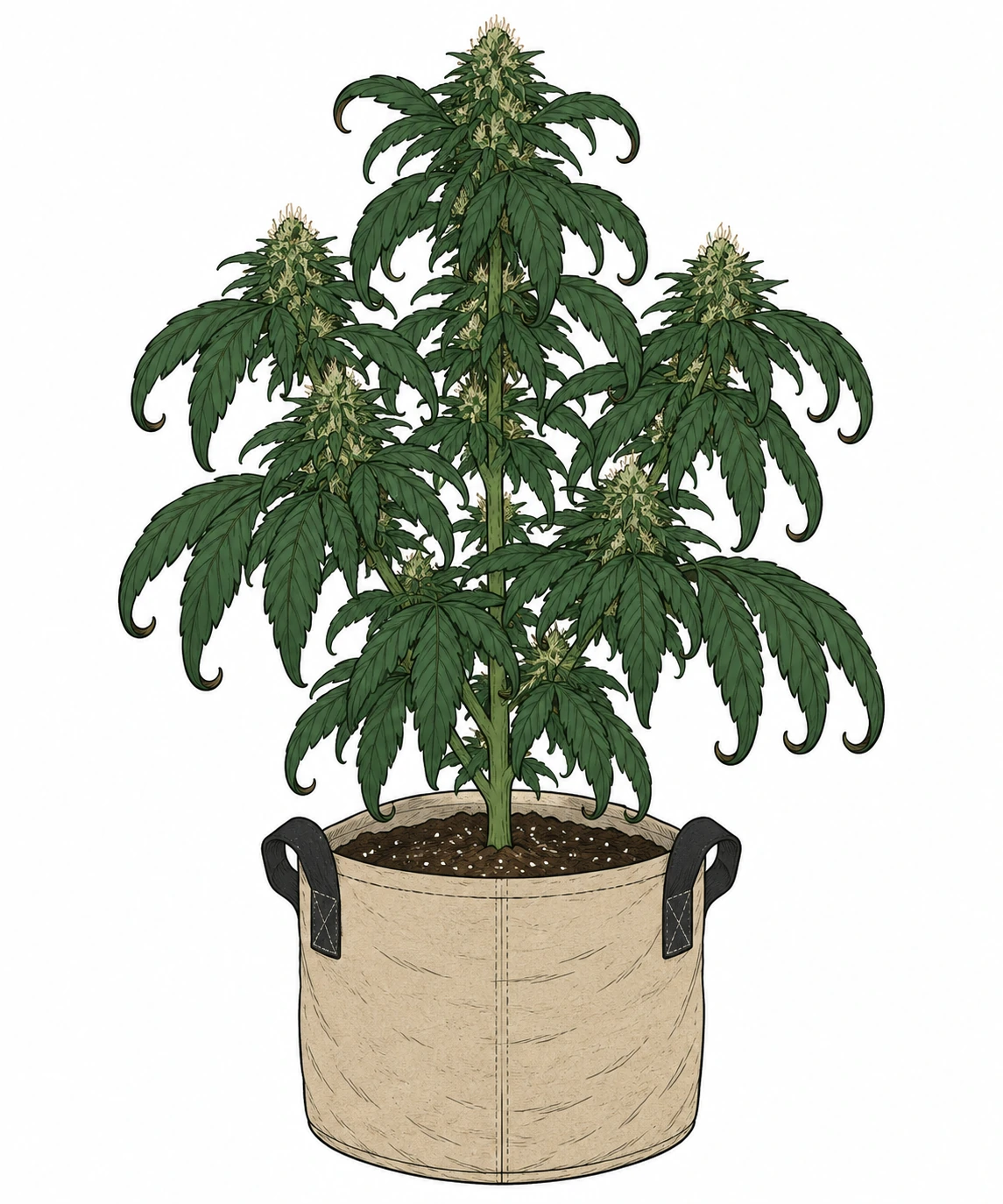
How to Spot Nitrogen Toxicity
Unnaturally dark green, almost blackish leaves with tips clawing downward (the claw).
Read article →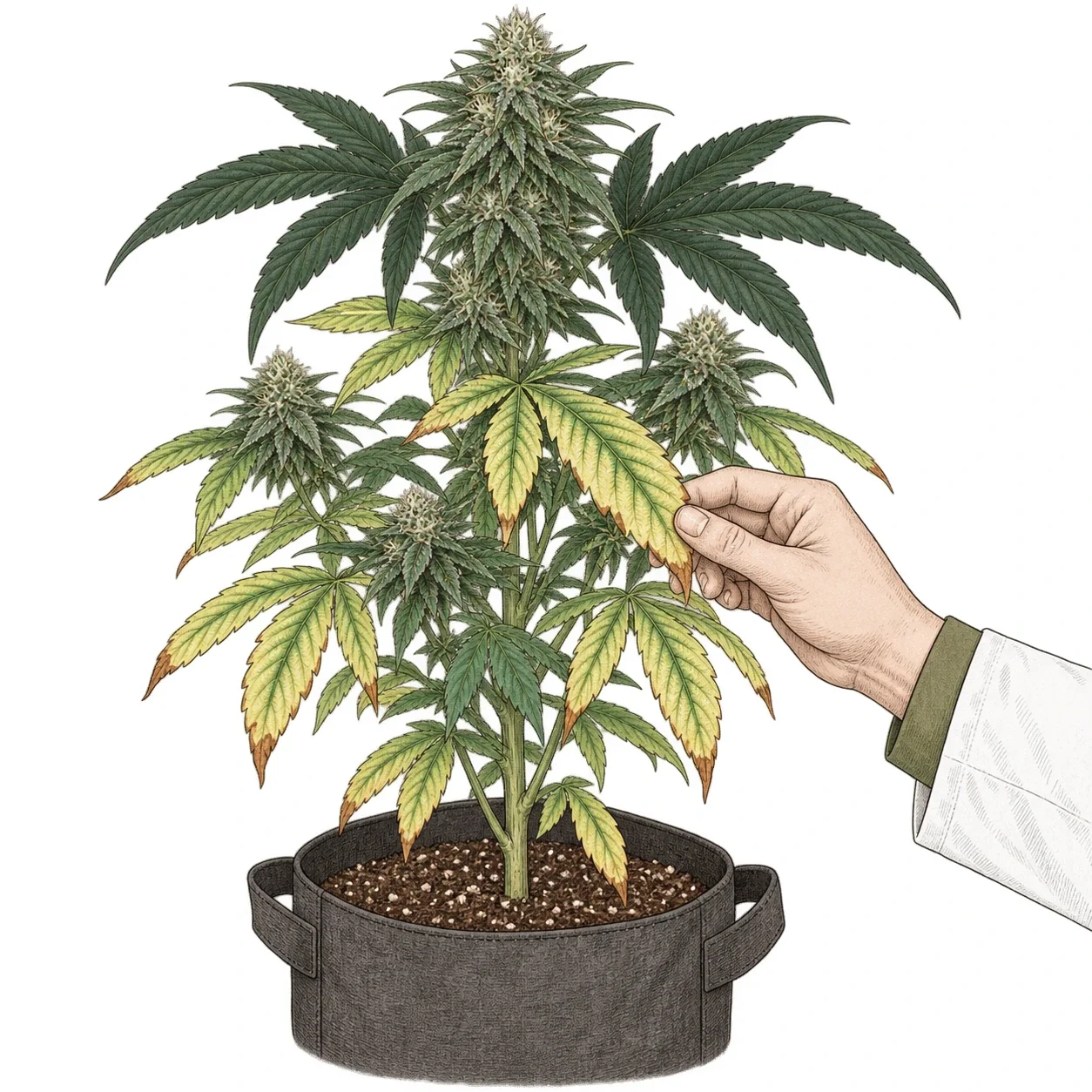
How to Spot Phosphorus Toxicity
Dark green leaves and burnt tips that are easily confused with zinc or iron deficiency.
Read article →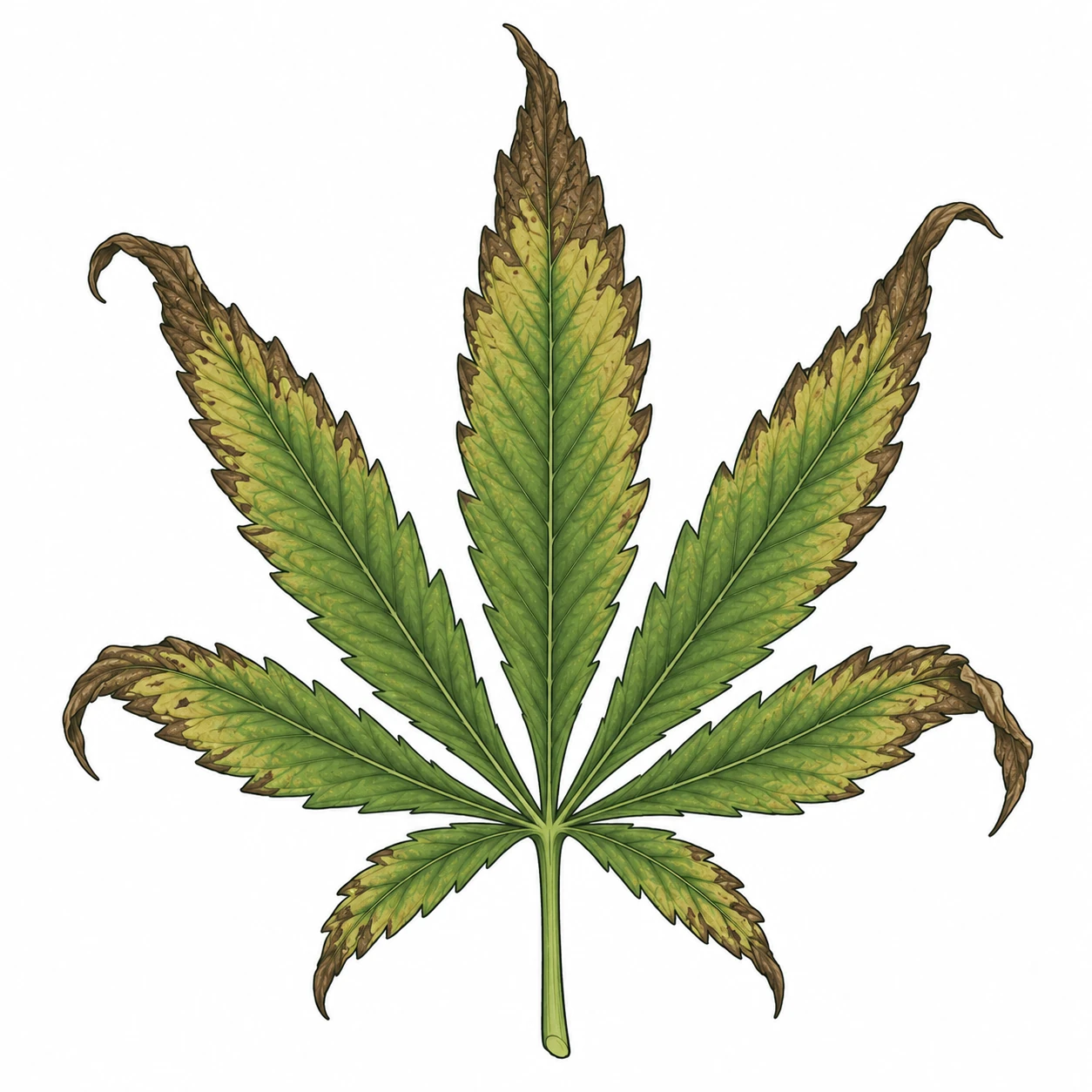
How to Spot Calcium Excess
Dark, hard and brittle leaf tissue on middle to upper leaves — locks out other nutrients.
Read article →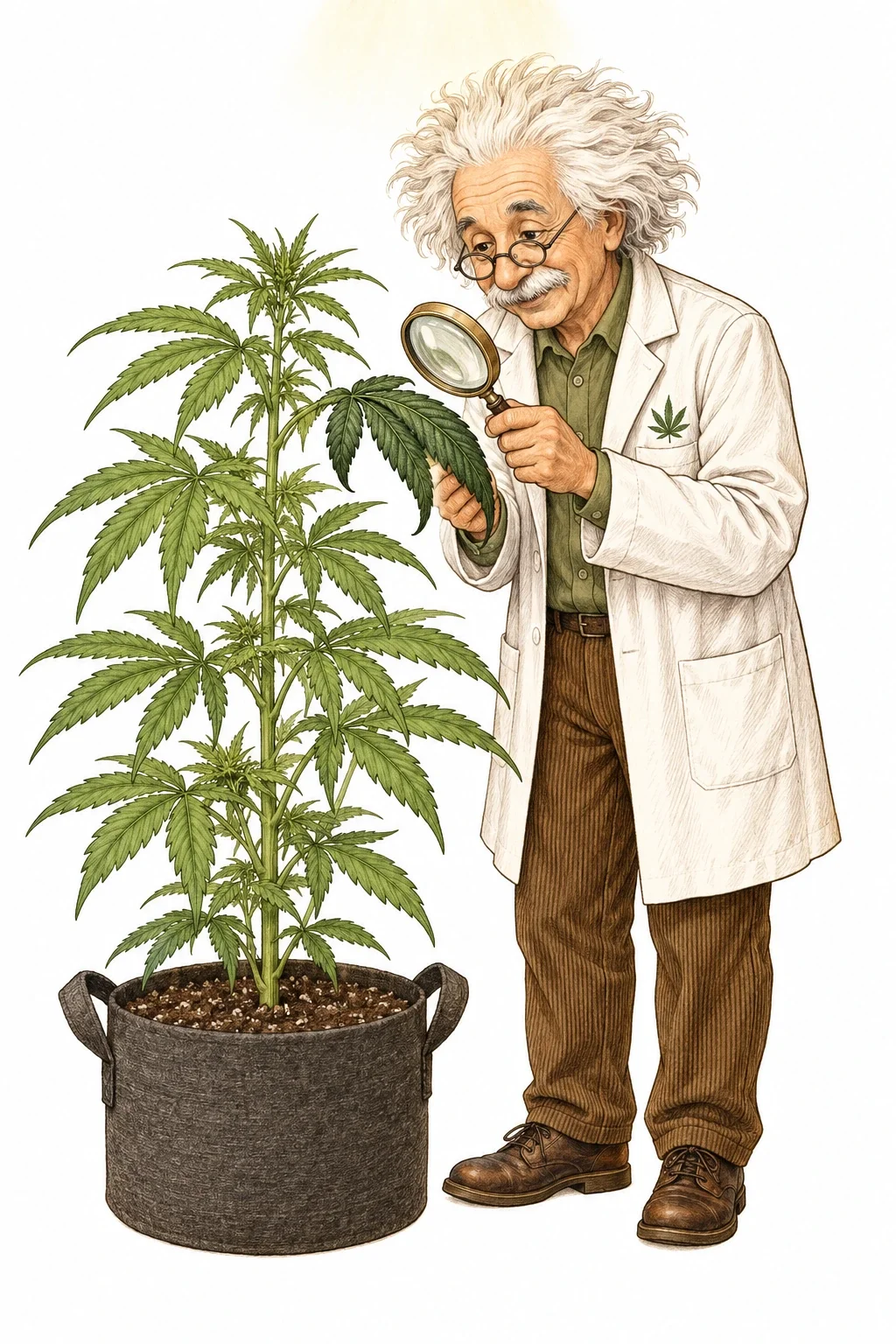
How to Spot Magnesium Toxicity
Very dark foliage after too much Cal-Mag — too much magnesium can slow the uptake of calcium and potassium.
Read article →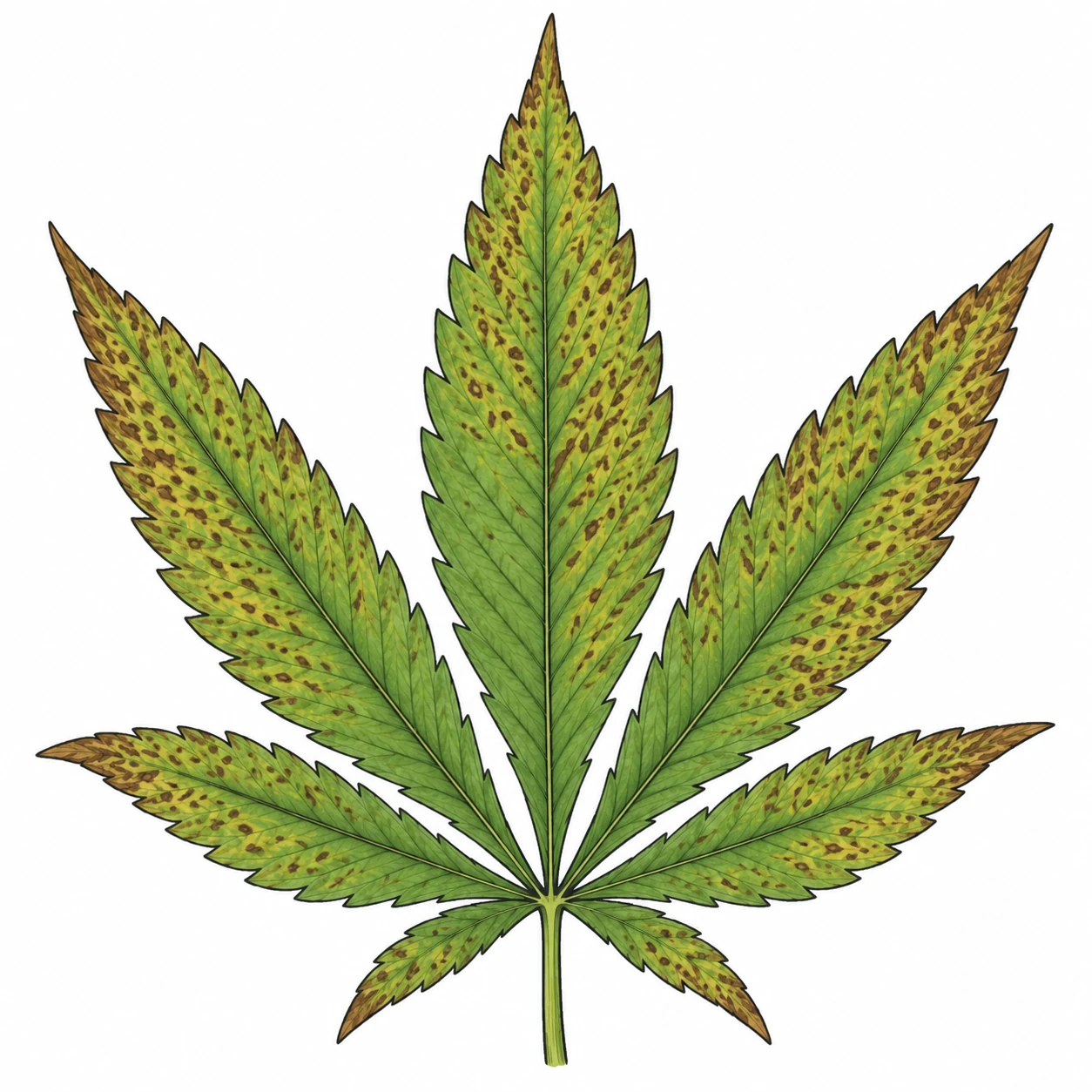
How to Spot Iron Toxicity
Dark, bronze-colored speckles on older, lower leaves — the opposite of iron deficiency, which starts at the top.
Read article →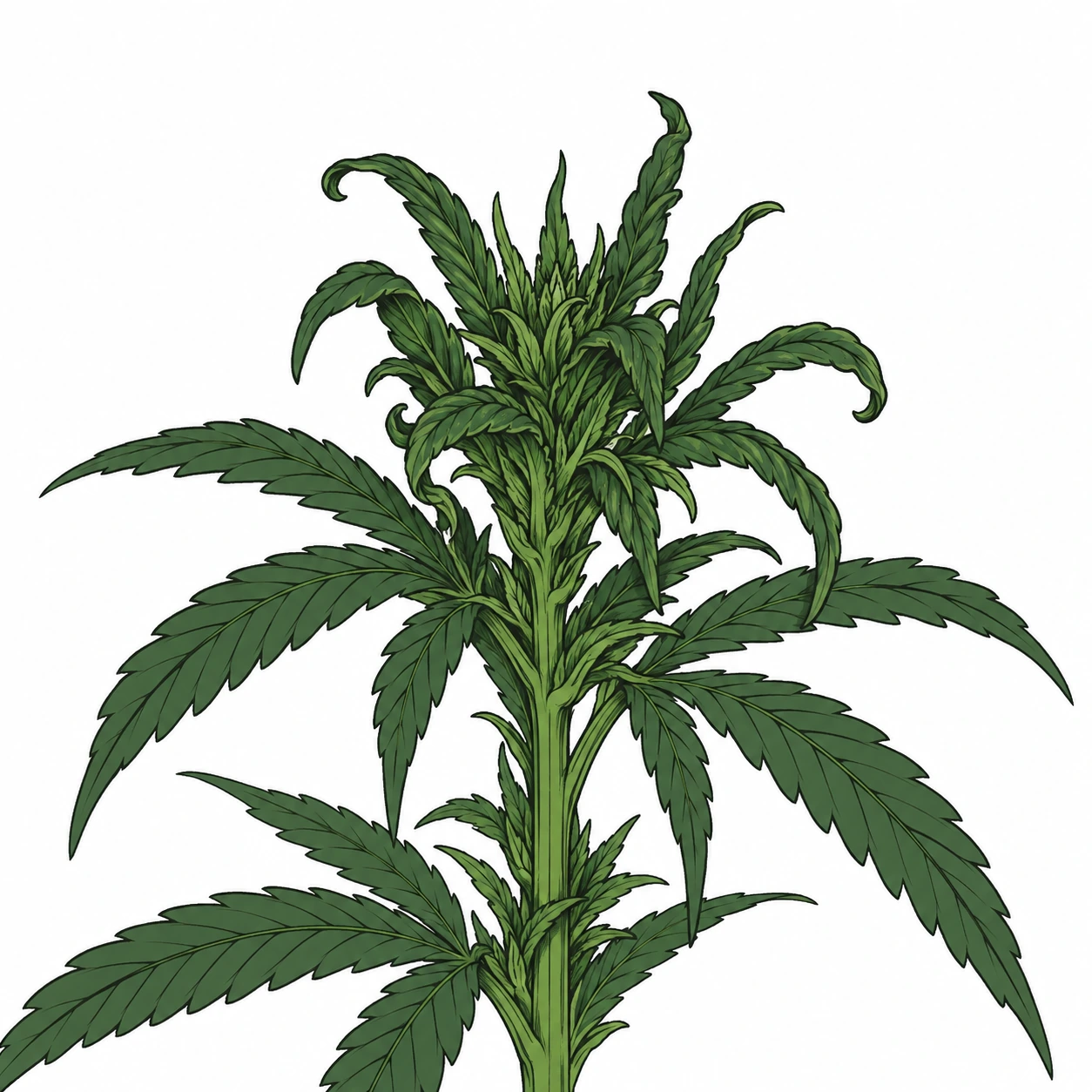
How to Spot Zinc Toxicity
Symptoms on young shoots that look a lot like iron deficiency — zinc directly blocks iron uptake.
Read article →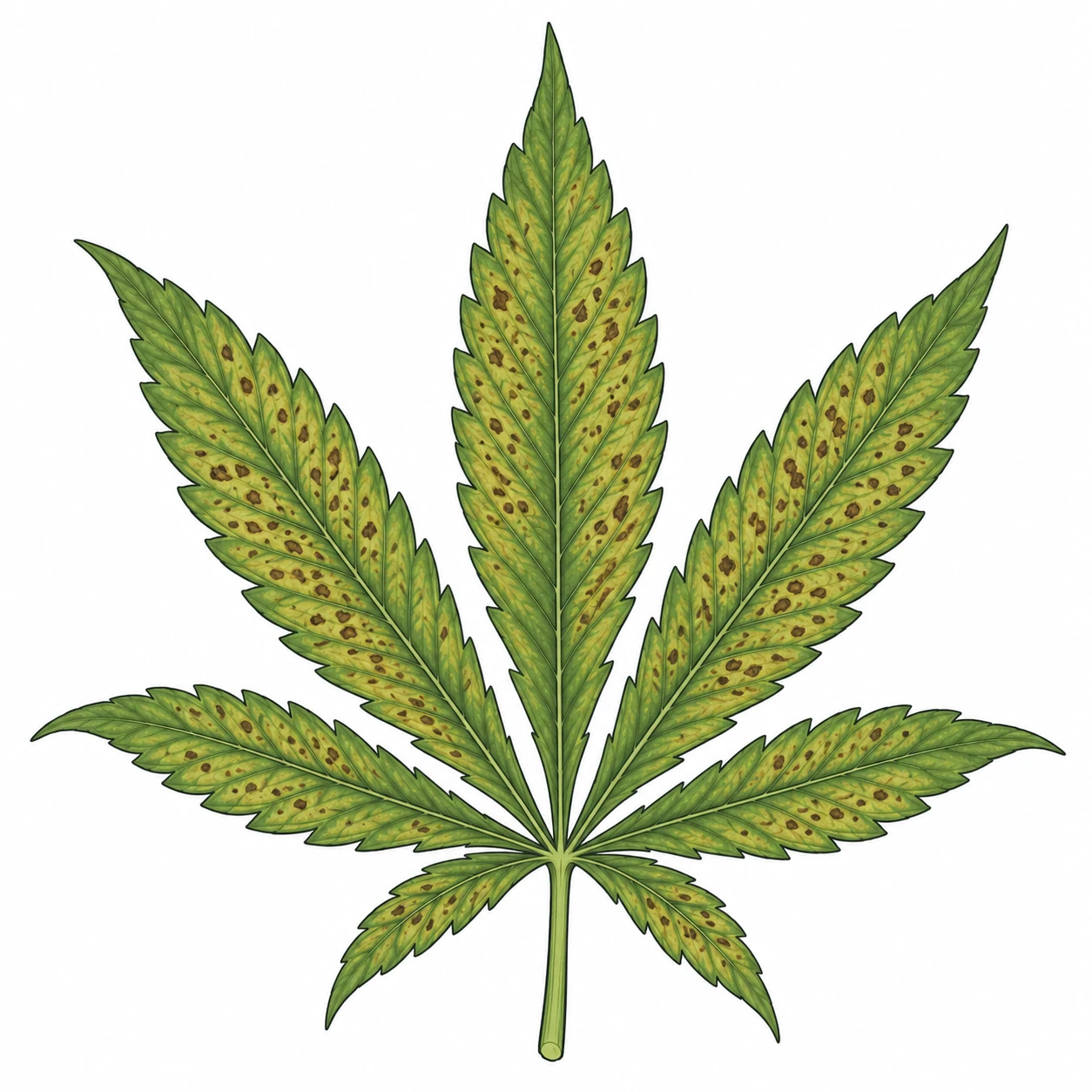
How to Spot Manganese Toxicity
Brown necrotic spots between the leaf veins and yellowish edges on older leaves.
Read article →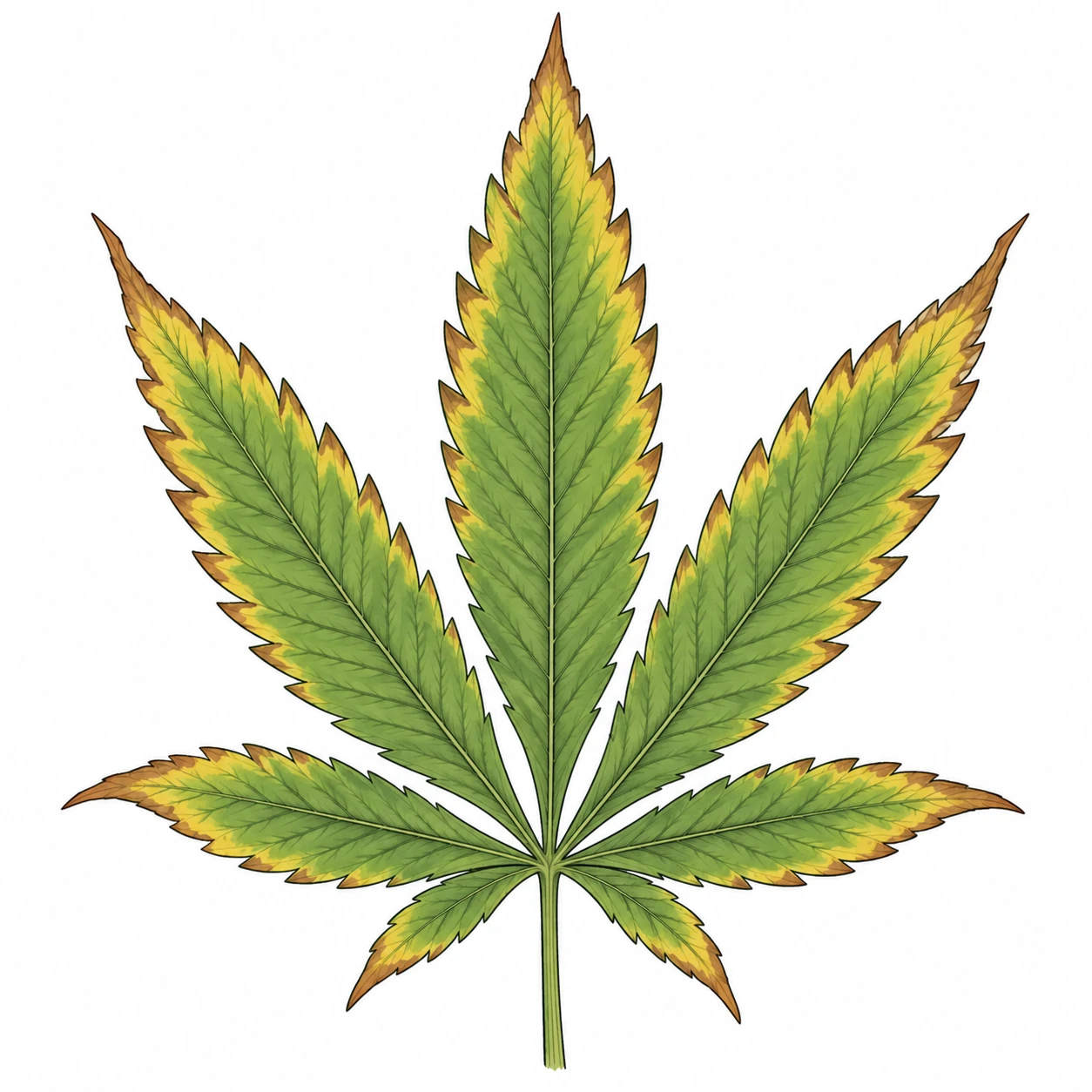
How to Spot Boron Toxicity
Burnt, yellow-brown tips and edges on older leaves — boron builds up where it arrived first.
Read article →
How to Adjust pH for Cannabis
A pH that’s too high also locks out the uptake of some nutrients — which can encourage an excess of others.
Read article →Frequently asked questions about cannabis nutrients
How can I tell which nutrient my cannabis plant is missing?
First, look at where the symptoms appear: old, lower leaves point to a mobile nutrient (nitrogen, phosphorus, potassium, magnesium), young, upper leaves to an immobile one (iron, calcium, sulfur, manganese, zinc). Then compare color and pattern with our overview or start the Plant Diagnosis Tool for a quick assessment.
What’s the difference between a nutrient deficiency and nutrient burn?
A deficiency usually shows up as pale, even lightening or yellowing, while nutrient burn tends to cause burnt leaf tips and edges that claw downward. In theory, both can occur at the same time when pH lockout blocks several nutrients at once.
Why do different cannabis deficiencies often look so similar?
Many deficiencies show up as chlorosis (yellowing) or necrosis (dying tissue) — you can usually only pin down the exact cause from the position of the affected leaves, the pattern (even or patchy) and accompanying symptoms such as leaf deformation.
Can the wrong pH look like a nutrient deficiency?
Yes, very often in fact. The wrong pH blocks nutrient uptake by the roots even though there are enough nutrients in the growing medium — the plant then shows deficiency symptoms although all you really need to do is correct the pH. That’s why pH should always be your first check.
Can I fix a cannabis nutrient deficiency myself?
In most cases, yes. After the diagnosis, correcting the pH, adjusting the feeding amount or adding the missing nutrient in a targeted way is often enough. Leaves that are already damaged won’t fully recover, but new growth should come in healthy within a few days to weeks.
How long does it take for a plant to recover after you fix a deficiency?
Depending on the nutrient and severity, the first improvements in new growth usually show within 3 to 10 days after the correction. Leaf areas that are already discolored or dead stay visible for good, but usually don’t affect further development.
